Polygonum Cuspidatum Root Extract è un composto di origine naturale ottenuto dalla pianta Poligono del Giappone, famiglia Polygonaceae.
Il nome definisce la struttura della molecola
- "Polygonum Cuspidatum" si riferisce a una pianta nota anche come Poligono giapponese o knotweed giapponese. È una pianta erbacea perenne invasiva che cresce in molte parti dell'Asia e dell'America del Nord.
- "Extract" indica che il prodotto è una sostanza ottenuta estraendo componenti desiderati dalla pianta, solitamente attraverso processi come l'infusione, la decozione o la percolazione.
Descrizione delle materie prime utilizzate nella produzione
- Polygonum Cuspidatum - La pianta da cui viene estratto l'ingrediente attivo.
- Solventi - Tipicamente l'acqua o l'etanolo sono utilizzati per estrarre i componenti benefici dalla pianta.
Processo di sintesi chimica industriale passo per passo
- Raccolta - Il Polygonum Cuspidatum viene raccolto, preferibilmente da fonti sostenibili.
- Pulizia e preparazione - La pianta viene pulita da impurità e preparata per l'estrazione.
- Estrazione - La pianta viene posta in un solvente per estrarre i componenti benefici, specialmente il resveratrolo.
- Filtrazione - La soluzione estratta viene filtrata per rimuovere particelle solide.
- Concentrazione - Il filtrato viene poi concentrato, se necessario, per ottenere l'estratto desiderato.
- Essiccazione - Se necessario, l'estratto viene essiccato per ottenere una polvere.
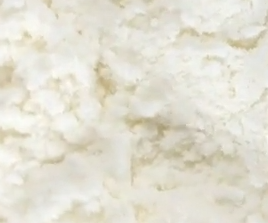
Si presenta in forma di polvere giallastra o bianca.
A cosa serve e dove si usa
Medicina
Polygonum Cuspidatum è utilizzato come medicina popolare per il trattamento di diverse malattie, tra cui aterosclerosi, ipertensione e diabete (1) mentre ricerche più recenti ne hanno evidenziato l'attività antitumorale (2) antimicrobica, antinfiammatoria (3).
Cosmetica
Agente antiossidante. Ingrediente che contrasta lo stress ossidativo e che evita danni cellulari. I radicali liberi, i processi infiammatori patologici, le specie reattive dell'azoto e le specie reattive dell'ossigeno sono responsabili del processo di invecchiamento e di molte malattie causate dall'ossidazione.
Applicazioni Commerciali
Cosmetica. Grazie alle sue proprietà antiossidanti, l'estratto è usato in creme e sieri per prevenire l'invecchiamento della pelle.
Integratori Alimentari. Utilizzato come fonte di resveratrolo, noto per i suoi potenziali benefici sulla salute cardiaca e anti-invecchiamento.
Prodotti Alimentari. A volte utilizzato come additivo alimentare per le sue proprietà benefiche.
Applicazioni Mediche
Ricerca. Studiato per i suoi effetti potenzialmente benefici sulla salute, inclusi anti-invecchiamento, anti-infiammatori e cardioprotettivi.
Terapie Antiossidanti. L'estratto può essere utilizzato per sfruttare le sue proprietà antiossidanti nella lotta contro i radicali liberi nel corpo.
Bibliografia_____________________________________________________________________
(1) Sheng Z, Ai B, Zheng L, Zheng X, Yang Y, Shen Y. Capability of polygonum cuspidatum extract in inhibiting AGEs and preventing diabetes. Food Sci Nutr. 2019 May 1;7(6):2006-2016. doi: 10.1002/fsn3.1029. PMID: 31289648; PMCID: PMC6593475.
Abstract. Diabetes is a metabolic disorder disease associated with advanced glycation end products (AGEs) and protein glycation. The effect of polygonum cuspidatum extract (PE) on AGEs and Nε-(Carboxymethyl)-L-lysine formation, protein glycation, and diabetes was investigated. Six primary phenolics in a range of 12.36 mg/g for ellagic acid to 0.01 mg/g for piceid were determined in PE. In an intermediate-moisture-foods model, inhibition rate of PE was as high as 54.2% for AGEs and 78.9% for CML under aw 0.75. The protein glycation was also inhibited by PE. In a diabetic rat model, the levels of blood glucose, serum malondialdehyde, cholesterol, triglycerides, and low-density lipoproteins were effectively reduced by PE treatment. The antioxidation capacity (T-AOC) and superoxide dismutase (SOD) activity were also mediated by PE. Additionally, the activates of liver function-related enzymes including alkaline phosphatase (ALP), glutamate pyruvate transaminase (GPT), and glutamate oxaloacetate transaminase (GOT) in diabetic rat were improved by PE.
(2) Wu X, Li Q, Feng Y, Ji Q. Antitumor Research of the Active Ingredients from Traditional Chinese Medical Plant Polygonum Cuspidatum. Evid Based Complement Alternat Med. 2018 Nov 21;2018:2313021. doi: 10.1155/2018/2313021.
Abstract. In recent years, the utilization of Chinese native medicine and other plant extracts in the treatment of diseases has attracted extensive attention, especially in the area of malignant tumors. However, lots of herbal remedies active ingredients have not been found or have been discovered but not effectively developed and applied. Therefore, screening new Chinese medicine active components and determining their antitumor effects have become a new breakthrough in the prevention and treatment of tumor disease. In the past years, a large number of studies have demonstrated that Polygonum cuspidatum and its active components like resveratrol showed excellent antitumor activities, including our own antitumor studies about resveratrol in colorectal cancer. The purpose of this review is to summarize the research progress of Chinese herb Polygonum cuspidatum and its active components in tumor diseases and provide theoretical basis for further scientific experiments and clinical applications.
(3) Zhang H, Li C, Kwok ST, Zhang QW, Chan SW. A Review of the Pharmacological Effects of the Dried Root of Polygonum cuspidatum (Hu Zhang) and Its Constituents. Evid Based Complement Alternat Med. 2013;2013:208349. doi: 10.1155/2013/208349.
Abstract. Traditional Chinese medicine (TCM) has been widely used in China for thousands of years to treat and prevent diseases. TCM has been proven safe and effective, and it is being considered as one of the important types of complementary and alternative medicine and receives increasing attention worldwide. The dried root of Polygonum cuspidatum Sieb. et Zucc. (also known as "Hu Zhang" in Chinese) is one of the medicinal herbs listed in the Pharmacopoeia of the People's Republic of China. Hu Zhang is widely distributed in the world. It can be found in Asia and North America and is used as folk medicine in countries such as Japan and Korea. In China, Hu Zhang is usually used in combination with other TCM herbs. The therapeutic uses of those Hu Zhang-containing TCM prescriptions or formulations are for treating cough, hepatitis, jaundice, amenorrhea, leucorrhea, arthralgia, burns and snake bites. Recent pharmacological and clinical studies have indicated that Hu Zhang has antiviral, antimicrobial, anti-inflammatory, neuroprotective, and cardioprotective functions. This review gives a summary of the reported therapeutic effects of the active compounds and the different extracts of Hu Zhang.




