



Panax Ginseng Root Extract Is a powdered extract obtained from the root of the plant Ginseng (Panax ginseng) belonging to the Araliaceae family.
The name defines the structure of the molecule
- "Panax" is the botanical genus for ginseng, a perennial plant known for its medicinal properties.
- "Ginseng" is a plant traditionally used in Eastern medicine for its tonic and adaptogenic properties.
- "Root" indicates that the extract comes from the root of the plant.
- "Extract" refers to a substance obtained by extracting desired components from the plant, usually through processes like infusion, decoction, or maceration.
Description of raw materials used in production
- Panax Ginseng Root - The mature roots of the Panax ginseng plant.
- Solvent - Water, ethanol, or other organic solvents may be used depending on the intended use of the extract and the components desired to be extracted.
Step-by-step summary of industrial extraction process.
- Harvesting - Panax ginseng roots are harvested, preferably from plants that are at least 6 years old.
- Cleaning - The roots are cleaned to remove soil and other impurities.
- Grinding - The cleaned roots are ground to increase the surface area in contact with the solvent.
- Extraction - The ground roots are mixed with the solvent and left to infuse for a specific period.
- Filtration - After infusion, the mixture is filtered to separate solid from liquid.
- Evaporation - If used, organic solvents are evaporated off, leaving only the extract behind.
- Quality Control - The extract is tested to ensure it meets desired specifications.
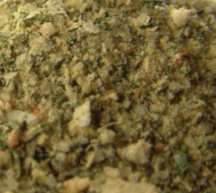
It appears in the form of a brown powder.
What it is for and where
Cosmetics
Skin conditioning agent - Emollient. Emollients have the characteristic of enhancing the skin barrier through a source of exogenous lipids that adhere to the skin, improving barrier properties by filling gaps in intercorneocyte clusters to improve hydration while protecting against inflammation. In practice, they have the ability to create a barrier that prevents transepidermal water loss. Emollients are described as degreasing or refreshing additives that improve the lipid content of the upper layers of the skin by preventing degreasing and drying of the skin. The problem with emollients is that many have a strong lipophilic character and are identified as occlusive ingredients; they are oily and fatty materials that remain on the skin surface and reduce transepidermal water loss. In cosmetics, emollients and moisturisers are often considered synonymous with humectants and occlusives.
Hair conditioning agent. A significant number of ingredients with specific and targeted purposes may co-exist in hair shampoo formulations: cleansers, conditioners, thickeners, matting agents, sequestering agents, fragrances, preservatives, special additives. However, the indispensable ingredients are the cleansers and conditioners as they are necessary and sufficient for hair cleansing and manageability. The others act as commercial and non-essential auxiliaries such as: appearance, fragrance, colouring, etc. Hair conditioning agents have the task of increasing shine, manageability and volume, and reducing static electricity, especially after treatments such as colouring, ironing, waving, drying and brushing. They are, in practice, dispersants that may contain cationic surfactants, thickeners, emollients, polymers. The typology of hair conditioning agents includes: intensive conditioners, instant conditioners, thickening conditioners, drying conditioners. They can perform their task generally accompanied by other different ingredients.
Skin protectant. It creates a protective barrier on the skin to defend it from harmful substances, irritants, allergens, pathogens that can cause various inflammatory conditions. These products can also improve the natural skin barrier and in most cases more than one is needed to achieve an effective result.
Tonic. This product is used to treat the hair when the scalp is clean or after shampooing. It stimulates hair growth, revitalises the scalp for healthy hair growth and reduces hair loss. It provides a feeling of well-being on skin and hair.
CAS 84650-12-4
EC number 283-493-7
Commercial applications
Energizer. Used in supplements and energy drinks for its stimulating and invigorating properties.
Cosmetics. Incorporated in skincare products for its anti-aging and revitalizing properties.
Adaptogen. Used in dietary supplements to help the body adapt to physical and mental stress.
Health Tonic. Traditionally consumed as a tonic to improve overall health and boost the immune system.

