



Camellia japonica flower extract
The name describes the structure of the molecule
"Camellia japonica flower extract" is an extract derived from the flowers of the Camellia japonica plant, often known as Japanese camellia. It doesn't describe a single molecular structure, but rather a complex mix of various molecules, including flavonoids, phenolic acids, saponins, and other bioactive compounds.
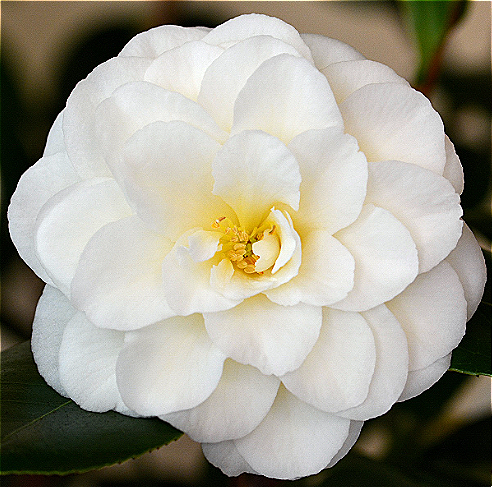
Description of raw materials used in production
The primary raw material for producing Camellia japonica flower extract are the flowers. These flowers are cultivated, harvested, and used for the production of the extract.
Extraction process
- Flower collection - Camellia japonica flowers are collected from the plant.
- Extraction - The flowers are then processed through an extraction process, which may include methods like infusion, decoction, maceration, or solvent extraction. This process extracts the bioactive compounds from the flowers.
- Purification - The extract is then purified through processes like filtration and distillation.
- Packaging and storage - The purified extract is packaged in suitable containers and stored away from light and moisture.
What it is for and where
Cosmetics
Skin conditioning agent - Emollient. Emollients have the characteristic of enhancing the skin barrier through a source of exogenous lipids that adhere to the skin, improving barrier properties by filling gaps in intercorneocyte clusters to improve hydration while protecting against inflammation. In practice, they have the ability to create a barrier that prevents transepidermal water loss. Emollients are described as degreasing or refreshing additives that improve the lipid content of the upper layers of the skin by preventing degreasing and drying of the skin. The problem with emollients is that many have a strong lipophilic character and are identified as occlusive ingredients; they are oily and fatty materials that remain on the skin surface and reduce transepidermal water loss. In cosmetics, emollients and moisturisers are often considered synonymous with humectants and occlusives.
Skin conditioning agent. It is the mainstay of topical skin treatment as it has the function of restoring, increasing or improving skin tolerance to external factors, including melanocyte tolerance. The most important function of the conditioning agent is to prevent skin dehydration, but the subject is rather complex and involves emollients and humectants that can be added in the formulation.
CAS 223748-13-8
Commercial applications
Skin care products: Camellia japonica extract is used in a variety of skin care products, including creams, lotions, and serums, due to its moisturizing and protective properties.
Hair products: Given its ability to moisturize and nourish, it can be used in shampoos and conditioners.
Anti-aging products: Due to its richness in antioxidants, it's used in anti-aging products to combat free radical damage to the skin.
Properties
Moisturizing: Helps to keep the skin hydrated, making it soft and smooth.
Antioxidant: Contains antioxidants that protect the skin from free radical damage.
Protective: Can help protect the skin from environmental damage, such as pollution and UV rays.
Medical
Studies
Camellia species are considered in the scientific literature to be natural sources of antioxidant compounds and in particular with increased activity in flowers where a relevant presence of phenolic acids and flavonol glycosides has been noted (1).
As antibiotic resistance has become a worldwide problem, research tends to turn to natural sources, and many studies have evaluated the antimicrobial activity of Camellia japonica against Gram-negative and Gram-positive bacteria (2).

