



Chamomilla recutita Flower Extract comes from the flowers of Chamomilla recutita, commonly known as German chamomile or true chamomile. It's renowned for its calming and anti-inflammatory properties and is extensively used in skincare products and cosmetics.
The name describes the structure of the molecule
- "Chamomilla recutita" is the botanical name of the plant from which the extract is derived.
- "Flower Extract" indicates that the extract comes from the plant's flowers.
Description of raw materials used in production
The flowers of Chamomilla recutita are the main raw material. These flowers are harvested from the plant and then processed to produce the extract.
Synthesis process
- Flower collection - Flowers of Chamomilla recutita are harvested when they are in full bloom.
- Extraction - The flowers are then immersed in a suitable solvent (e.g., water, alcohol, or a combination of both) to extract beneficial compounds.
- Filtration - After a set period, the mixture is filtered to remove any solid residues.
- Concentration - The extracted liquid might then be concentrated to boost the potency of the extract.
- Packaging - Once the desired extract is achieved, it's packaged for sale or used as an ingredient in cosmetic and skincare products.
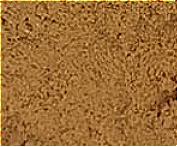
It appears in the form of a brown powder
What it is for and where
Cosmetics
Fragrance. It plays a decisive and important role in the formulation of cosmetic products as it provides the possibility of enhancing, masking or adding fragrance to the final product, increasing its marketability. It is able to create a perceptible pleasant odour, masking a bad smell. The consumer always expects to find a pleasant or distinctive scent in a cosmetic product.
Skin conditioning agent. It is the mainstay of topical skin treatment as it has the function of restoring, increasing or improving skin tolerance to external factors, including melanocyte tolerance. The most important function of the conditioning agent is to prevent skin dehydration, but the subject is rather complex and involves emollients and humectants that can be added in the formulation.
CAS 84082-60-0
EC number 282-006-5
Applications
Cosmetic and Skin Care
- Soothing: The extract has anti-inflammatory properties that help soothe irritated or sensitive skin.
- Healing: It aids in wound healing and reduces skin redness.
- Hydrating: Often used in moisturizers to help hydrate and nourish the skin.
- Anti-aging: Contains antioxidants which may help protect the skin from damage by free radicals.
Hair Care
- Scalp Treatment: Due to its anti-inflammatory properties, it's beneficial for scalp conditions like dandruff or an inflamed scalp.
- Hair Brightening: Chamomile is sometimes used in shampoos for blond hair as it can provide natural highlights.
Traditional Medicine
- Digestive Aid: Chamomile tea, made from the flower extract, is consumed for its soothing properties on the digestive system.
- Sleep and Relaxation: The tea is also known to promote sleep and relaxation.
Eye Care
- Soothing: Chamomile eye drops or compresses can help reduce eye irritation and inflammation.

