



Citric acid anhydrous is citric acid deprived completely or almost completely of water by processes such as the removal of water through evaporation or the use of drying agents. Water removal is sometimes necessary in different chemical applications.
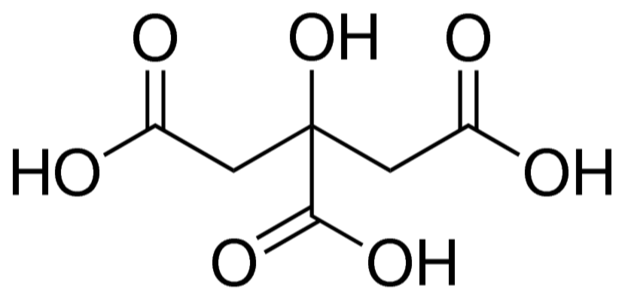
Citric acid (2-hydroxy-1,2,3-propane-tricarboxylic acid) is a primary metabolic product, odorless organic tricarboxylic acid and is obtained from lemon juice (from which the Latin name citrus derives the name of citric acid), other fruits, beet juice and other vegetables.
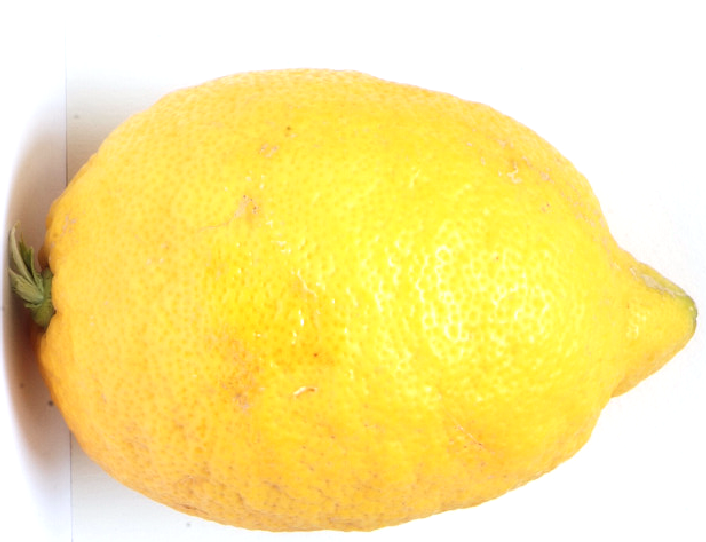
It is a commercial chemical compound born in England around 1826 from imported Italian lemons, commonly produced by microbial fermentation, with low toxicity and high solubility. For its production are used a large number of microorganisms, including bacteria and fungi such as A. wentii, Aspergillus niger (used industrially since 1919 supplanting the lemon) whose strains are able to produce citric acid, using the fermentation in a solid state, from grape pomace, pineapple waste, apple pomace, cassava etc..
Citric acid can also be produced from various yeast species (e.g., synthesized by the unconventional yeast Yarrowia lipolytica (1) from a widely available and renewable polysaccharide, inulin), glycerol, and symmetric dichloroacetone,
It is the most widely used organic acid and the most widely produced chemical on an industrial scale.
What it is used for and where
Medical
It is generally used as an antioxidant :
- acidity (pH) regulator in the food and pharmaceutical industries. In particular, it is used in pharmacological formulations such as "gummy" formulations and to suppress the bitter taste of certain ingredients. This provides the effect of a "flavor enhancer". "Acidity regulators" are substances that modify or control the acidity or alkalinity of a food product.
- excipient in pharmaceutical products with functions of anticoagulant, antioxidant, preservative
- anticoagulant, wound healing with reference to wound pH, important indicator of biochemical healing processes, transfusions (2)
- preparation of effervescent powders
- preservative in the food industry. Labeled as E330 in the list of European food additives, approved by FAO/WHO, is considered a safe additive.
- antioxidant in wine in oenology to prevent oxidative deterioration of flavor or color
- sanitizer in household detergents
- arsenic removal in drinking water (3)
- plant nutritional element (4)
Its relationships in disorders of energy metabolism have also been studied (5).
In the human body, citric acid plays an important role of the tricarboxylic acid cycle in the mechanism of energy production during cellular metabolism. This study by Japanese researchers examined the effects, on physical fatigue, of two anti-fatigue substances involved in cellular metabolism, citric acid and l-carnitine. The results showed that citric acid reduced physiological stress, whereas carnitine did not achieve the same positive results (6).
Cosmetics
Acidity regulator (pH), preservative, antioxidant.
Buffering agent. An ingredient that can bring an alkaline or acid solution to a certain pH level and prevent it from changing. in practice a pH stabiliser.
Chelating agent. It has the function of preventing unstable reactions and improving the bioavailability of chemical components within a product, and removes calcium and magnesium cations that can cause cloudiness in clear liquids.
pH adjuster. This ingredient tends to restore the pH of a cosmetic formulation to its optimal value. The correct pH value is an essential determinant for lipid synthesis in the stratum corneum. The average physiological pH value of the face ranges between 5.67 and 5.76. The hair fibre has a pH value of 3.67.
Fragrance. It plays a very important role in the formulation of cosmetic products as it allows perfume to be enhanced, masked or added to the final product, improving its commercial viability. The consumer always expects to find a pleasant scent in a cosmetic product.
Safety
The SCCP Expert Committee Report on the safety of citric acid in cosmetic products concludes as follows:
"On the basis of the data submitted, the safety of citric acid (and) silver citrate cannot be assessed. Before a final conclusion can be reached, an in vitro mammalian gene mutation assay to exclude gene mutation potential is required."
The most relevant studies on this acid have been selected with a summary of their contents:
Industrially citric acid comes in the form of a white powder, or white crystals

Optimal typical characteristics of the commercial product Citric acid
| Appearance (Color) | White |
| Appearance (Form) | Powder or Crystals |
| Infrared spectrum | Conforms to Structure |
| Titration with NaOH | > 99.50 % |
| Iron (Fe) | < 3 ppm |
| Lead | < 2 ppm |
| Residue on Ignition (Ash) | < 0.02 % |
| Insoluble matter | < 0.005 % |
| Chloride Content | < 0.001 % |
| Phosphate (PO4) | < 0.001 % |
| Sulfur compounds | < 0.002 % |
 |  |
 | 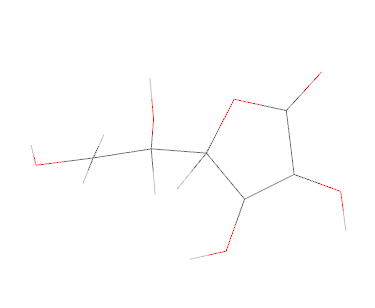 |
- Molecular Formula : C6H8O7
- Linear Formula : CH2COOH-C(OH)COOH-CH2COOH
- Molecular Weight : 192.123 g/mol
- CAS : 77-92-9 3458-72-8 6018-92-4
- UNII PQ6CK8PD0R
- EC Number: 201-069-1 200-066-2
- DSSTox Substance ID: DTXSID5020106
- MDL number MFCD00011669
- PubChem Substance ID 201-069-1
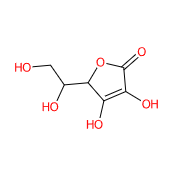
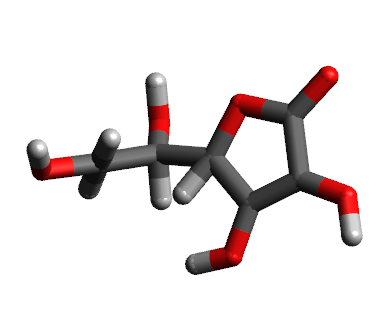
- InChI=1S/C6H8O6/c7-1-2(8)5-3(9)4(10)6(11)12-5/h2,5,7-10H,1H2/t2-,5+/m0/s1
- InChl Key CIWBSHSKHKDKBQ-JLAZNSOCSA-N
- SMILES C(C(C1C(=C(C(=O)O1)O)O)O)O
- IUPAC (2R)-2-[(1S)-1,2-dihydroxyethyl]-3,4-dihydroxy-2H-furan-5-one
- ChEBI 29073
- Beilstein 782061
- FEMA 2109
- eCl@ss 39021801
Synonyms:
- E330
- Anhydrous citric acid
- 1,2,3-Propanetricarboxylic acid, 2-hydroxy-
- 2-hydroxy-1,2,3-propanetricarboxylic acid
- 2-Hydroxytricarballylic acid
- 2-hydroxypropane-1,2,3-tricarboxylic acid
- PubChem Substance ID: 329768287
- EC Number: 201-069-1
- MDL number: MFCD00011669

