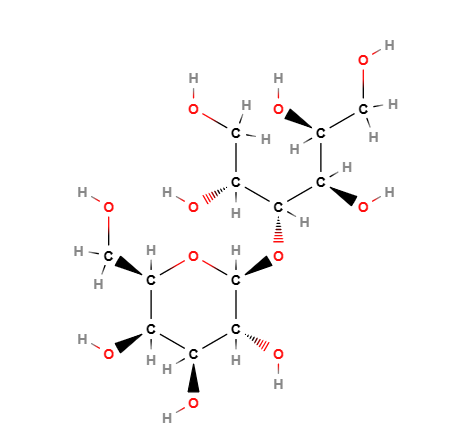
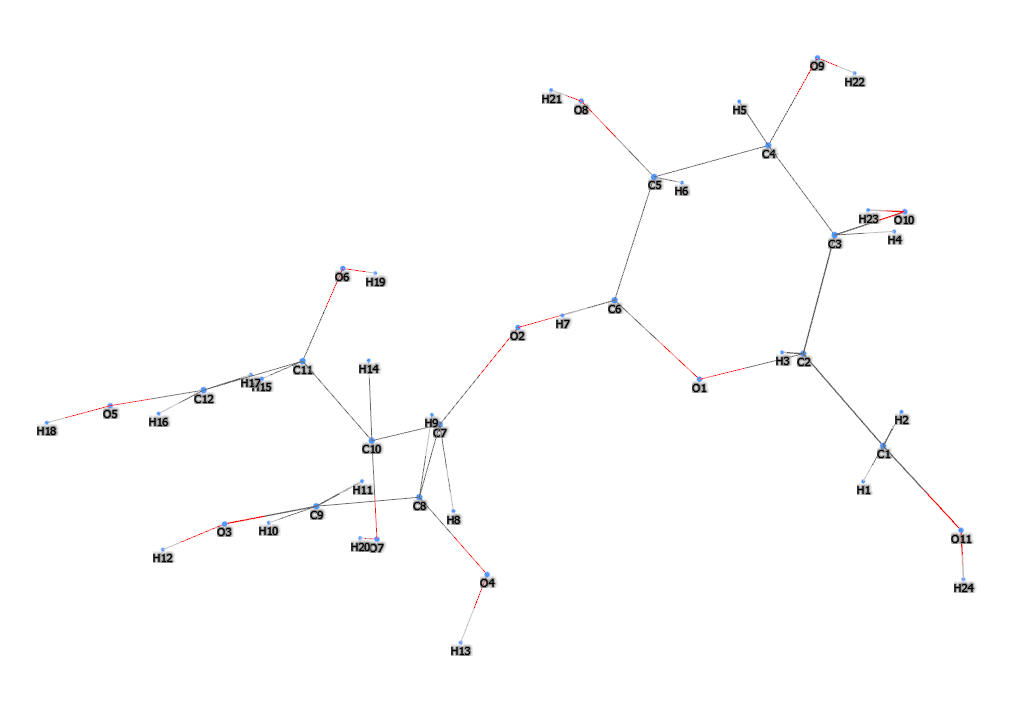
E966 (Lactitolo) è un composto chimico organico, un alcol zuccherino, poliolo disaccaride osmotico ricavato dall'idrogenazione controllata catalitica del lattosio.
Si presenta in forma di polvere bianca.

A cosa serve e dove si usa
Alimentazione
Ingrediente inserito nella lista degli additivi alimentari europei come E966 con funzione di edulcorante.
Cosmetica
Agente aromatizzante. Lo scopo di questo ingrediente è modificare la soluzione per aggiungere u certo aroma. Gli estratti di aromi naturali hanno un costo piuttosto elevato quindi le industrie cosmetiche e farmaceutiche ricorrono a sostanze sintetizzate che abbiano caratteristiche sensoriali per lo più simili agli aromi naturali o naturalmente equivalenti. Questo ingrediente è isolato attraverso processi chimici o è sintetizzato da sostanze chimiche.
Agente condizionante della pelle - Umettante. Gli umettanti sono sostanze igroscopiche utilizzate per ridurre al minimo la perdita d'acqua nella pelle e per prevenirne l'essiccazione facilitando un più rapido e maggiore assorbimento di acqua nello strato corneo dell'epidermide. L'epidermide è il più superficiale dei tre strati con cui è composta la pelle umana (epidermide, derma e ipoderma) ed è lo strato che provvede al mantenimento dell'idratazione in tutti e tre gli strati. A sua volta l'epidermide è composta da cinque strati: corneo, il più superficiale, granulare, spinoso, lucido, basale. Gli umettanti hanno la capacità di trattenere nello strato corneo l'acqua che attirano dall'aria ed hanno la funzione di idratare la pelle. Meglio utilizzarli prima degli emollienti che sono a base d'olio.
Medicina
E' un lassativo disaccaride osmotico che aumenta il volume fecale e stimola la peristalsi, utile nel trattamento della stipsi in adulti anche se qualche studio non ha rilevato risultati efficaci (1).
- Formula molecolare C12H24O11
- Peso molecolare 344.31
- CAS 585-86-4
- UNII L2B0WJF7ZY
- EC Number 209-566-5
Bibliografia_____________________________________________________________________
(1) Miller, L.E., Tennilä, J. and Ouwehand, A.C., 2014. Efficacy and tolerance of lactitol supplementation for adult constipation: a systematic review and meta-analysis. Clinical and Experimental Gastroenterology, pp.241-248.
Abstract. Background. Constipation is a common complaint in adults. Lactitol is an osmotic disaccharide laxative that increases fecal volume and stimulates peristalsis. In this paper, we present the first meta-analysis on the efficacy and tolerance of lactitol for adult constipation. Methods. We searched MEDLINE® and Embase, with no date or language restrictions, for studies of lactitol supplementation on adult constipation. A random-effects meta-analysis was performed on pre- to posttreatment changes in stool frequency and consistency with lactitol among all studies, as well as a comparison of efficacy and tolerance outcomes in randomized controlled trials (RCTs) of lactitol versus lactulose. Results. A total of eleven studies representing 663 distinct patients were included in the final analysis, including five single-arm studies, four RCTs comparing lactitol with lactulose, one RCT comparing lactitol with placebo, and one nonrandomized controlled trial comparing lactitol with stimulant laxatives. Weekly stool frequency was significantly increased with lactitol compared with baseline (standardized mean difference [SMD]: 1.56, P<0.001). Stool consistency also improved over the supplementation period with lactitol (SMD: 1.04, P<0.001). Approximately one-third of patients experienced an adverse event; however, symptoms were generally mild and rarely (5%) resulted in study withdrawal. In RCTs of lactitol versus lactulose, lactitol was slightly more effective than lactulose in increasing weekly stool frequency (SMD: 0.19, P=0.06). No statistically significant differences between lactitol and lactulose were identified in any other efficacy or tolerance outcome. Lactitol demonstrated favorable efficacy and tolerance in individual studies when compared to stimulant laxatives and placebo. Conclusion. Lactitol supplementation is well tolerated and improves symptoms of adult constipation. The efficacy and tolerance of lactitol and lactulose are similar, with a trend for more frequent stools with lactitol. Limited evidence suggests lactitol is superior to stimulant laxatives and placebo for relieving constipation symptoms.
Patil, D.H., Grimble, G.K. and Silk, D.B., 1987. Lactitol, a new hydrogenated lactose derivative: intestinal absorption and laxative threshold in normal human subjects. British Journal of Nutrition, 57(2), pp.195-199.
Abstract. 1. In the first part of the study, the absorption of lactitol, a new disaccharide analogue of lactose, was studied using an in vivo jejunal perfusion technique in man. Intestinal uptake of lactitol from isotonic solutions containing 10, 30, 60, and 100 mmol lactitol/l was insignificant. 2. In the second part of the study the laxative threshold of lactitol was determined and compared with that of sorbitol in a double-blind, randomized, cross-over study on twenty-one normal subjects. Laxative threshold was considered to be either the maximum dose tolerated without unacceptable diarrhoea or gastrointestinal side effects, or when the maximum dose in the study was reached. Increasing amounts of lactitol, sorbitol or placebo were administered in two divided doses each day until subjects developed diarrhoea or severe gastrointestinal side effects. The laxative threshold of lactitol (74 (SE 5) g/d) was similar to that of sorbitol (71 (SE 5) g/d). 3. These findings indicate that lactitol is not absorbed by the human small intestine. Although diarrhoea or other gastrointestinal side effects occurred as the dose was increased, 40 g lactitol/d was well tolerated.