



Arctium Lappa Seed Oil: properties, uses, pros, cons, safety
Arctium Lappa Seed Oil is an oil extracted from the seeds of the burdock plant (Arctium lappa). This oil is utilized in cosmetic and skincare products for its moisturizing, nourishing, and antioxidant properties. It is particularly valued for its ability to improve skin hydration and support overall skin health.
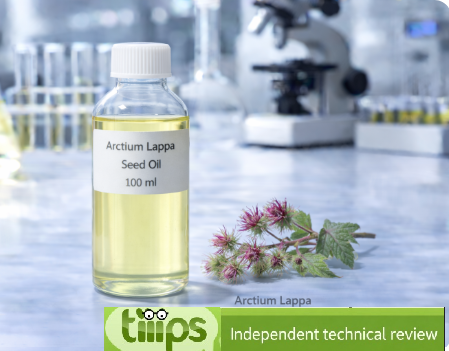
For more information: Arctium lappa
Chemical Composition and Structure:
Arctium Lappa Seed Oil contains:
- Fatty Acids: Including linoleic acid (omega-6) and oleic acid (omega-9), which help to nourish and hydrate the skin.
- Phytosterols: Plant sterols that support skin barrier function and have anti-inflammatory properties.
- Antioxidants: Such as vitamin E, which helps protect the skin from oxidative damage and premature aging.
- Essential Fatty Acids: Contributing to the oil’s emollient properties and its ability to improve skin elasticity.
The chemical structure of Arctium Lappa Seed Oil includes a range of fatty acids and phytosterols that provide moisturizing and protective benefits to the skin.
Physical Properties:
Arctium Lappa Seed Oil is typically a light to medium yellow oil with a characteristic mild, nutty aroma. It is liquid at room temperature and has a smooth, non-greasy texture that is easily absorbed by the skin. The oil is soluble in other oils and fats.
Production Process:
- Harvesting: The seeds of the burdock plant are harvested, usually in the late summer or fall.
- Cleaning: The seeds are cleaned to remove any dirt and impurities.
- Extraction: The oil is extracted from the seeds using methods such as cold pressing or solvent extraction.
- Refinement: The extracted oil may be refined to remove impurities and enhance its stability and shelf life.
- Formulation: The refined Arctium Lappa Seed Oil is incorporated into various cosmetic and skincare products.
Applications:
- Cosmetics: Used in skincare products such as moisturizers, serums, and creams for its hydrating, nourishing, and antioxidant properties. It helps to improve skin texture, reduce dryness, and enhance skin elasticity.
- Hair Care: Included in shampoos and conditioners to provide nourishment and shine, and to help improve the overall health of the hair and scalp.
- Body Care: Utilized in body lotions and oils for its emollient properties and to support skin hydration and softness.
Environmental and Safety Considerations:
- Environmental Impact: The production of Arctium Lappa Seed Oil should follow sustainable practices, including responsible sourcing of seeds and efficient resource use to minimize environmental impact.
- Safety: Generally considered safe for topical use in recommended concentrations. It is important to perform safety evaluations to ensure the oil's efficacy and to prevent any potential allergic reactions or adverse effects.
INCI Functions:
Skin conditioning agent. It is the mainstay of topical skin treatment by restoring, increasing or improving skin tolerance to external factors, including melanocyte tolerance. The most important function of the conditioning agent is to prevent skin dehydration, but the subject is rather complex and involves emollients and humectants.
Skin conditioning agent - Emollient. Emollients have the characteristic of enhancing the skin barrier through a source of exogenous lipids that adhere to the skin, improving barrier properties by filling gaps in intercorneocyte clusters to improve hydration while protecting against inflammation. In practice, they have the ability to create a barrier that prevents transepidermal water loss. Emollients are described as degreasing or refreshing additives that improve the lipid content of the upper layers of the skin by preventing degreasing and drying of the skin. The problem with emollients is that many have a strong lipophilic character and are identified as occlusive ingredients; they are oily and fatty materials that remain on the skin surface and reduce transepidermal water loss. In cosmetics, emollients and moisturisers are often considered synonymous with humectants and occlusives.
CAS: 84012-13-5
EC number 281-658-8

