



Cocamidopropyl Hydroxysultaine is an amphoteric surfactant derived from the fatty acids of coconut oil. It is known for its mild cleansing properties, creamy foam generation, and compatibility with a wide pH range. This ingredient is commonly used in cosmetic and personal care products due to its ability to improve skin tolerance and stabilize foam in cleansing formulations.
Chemical Composition and Structure
Cocamidopropyl Hydroxysultaine is an amphoteric compound with both positive and negative charge groups, derived from lauric acid (from coconut oil), amines, and sultaine groups. This unique chemical structure provides gentle cleansing action, stability in complex formulations, and the ability to reduce the potential irritation of other surfactants.
Physical Properties
It appears as a clear to slightly opalescent, viscous liquid, water-soluble, with a soft, creamy foam profile. It is compatible with a wide pH range (acidic to basic), making it versatile for various product types.
Production Process
Cocamidopropyl Hydroxysultaine is produced through a chemical reaction between lauric acid derivatives (from coconut oil) and aminopropylamine, followed by the addition of a sultaine group. The process is designed to ensure a stable and pure final product.
Applications
Medical: Used in mild cleansers for sensitive skin or specific dermatological conditions.
Cosmetics: Cocamidopropyl Hydroxysultaine is widely used in shampoos, body washes, facial cleansers, and bath products for its gentle cleansing, foam stabilization, and skin compatibility.
INCI Functions
Antistatic agent. Static electricity build-up has a direct influence on products and causes electrostatic adsorption. The antistatic ingredient reduces static build-up and surface resistivity on the surface of the skin and hair.
Hair conditioning agent. A large number of ingredients with specific purposes can co-exist in a hair shampoo: cleansers, conditioners, thickeners, mattifying agents, sequestering agents, fragrances, preservatives, special additives. However, the indispensable ingredients are the cleansers and conditioners as they are necessary and sufficient for hair cleansing and manageability. The others act as commercial and non-essential auxiliaries such as: appearance, fragrance, colouring, etc. Hair conditioning agents have the task of increasing shine, manageability and volume, and reducing static electricity, especially after treatments such as colouring, ironing, waving, drying and brushing. They are, in practice, dispersing agents that may contain cationic surfactants, thickeners, emollients, polymers. The typology of hair conditioners includes: intensive conditioners, instant conditioners, thickening conditioners, drying conditioners.
Skin conditioning agent. It is the mainstay of topical skin treatment by restoring, increasing or improving skin tolerance to external factors, including melanocyte tolerance. The most important function of the conditioning agent is to prevent skin dehydration, but the subject is rather complex and involves emollients and humectants.
Surfactant - Foam booster. It has the effect of introducing gas bubbles into the water and affects the cleaning process by helping to spread the cleanser. Since sebum has an inhibiting effect on the bubble, more foam is produced in the second shampoo.
Surfactant - Suspending agent. Cosmetic or pharmaceutical suspensions are known to be thermodynamically unstable and it is therefore essential to include in the formulation a suspending agent capable of dispersing any sedimented particulates and reducing the rate of sedimentation. The presence of this agent increases the consistency of the suspension medium and exerts a protective colloidal action with a surfactant action.
Viscosity control agent. It controls and adapts, Increasing or decreasing, viscosity to the required level for optimal chemical and physical stability of the product and dosage in gels, suspensions, emulsions, solutions.
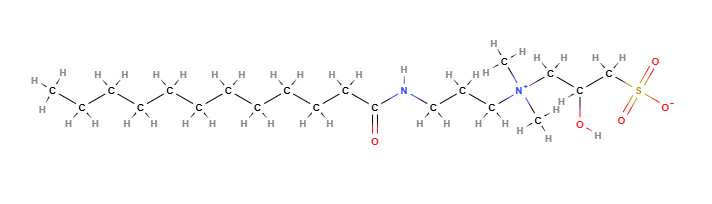 | 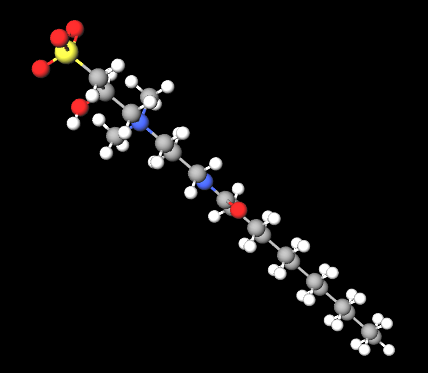 |
Molecular Formula C20H42N2O5S
Molecular Weight 422.6 g/mol
CAS 68139-30-0 19223-55-3
UNII VPE363894V
EC Number 242-893-1
DTXSID40893392
Synonyms:
Softazoline LSB-R

