



Lactobacillus/rosa damascena callus extract ferment extract filtrate is a filtered compound obtained from the dried flowers of Rosa damascena and the fermentation with the Lactobacillus bacteria.
The name describes the structure of the ingredient:
- Lactobacillus refers to the products of fermentation by Lactobacillus bacteria. Lactobacillus is known for its probiotic benefits and is often used in cosmetics for its beneficial effects on the skin.
- Rosa Damascena callus refers to a type of plant tissue cultured in a laboratory.
- Ferment Extract Filtrate indicates that the product is a filtrate obtained from the fermentation of Rosa Damascena callus tissue with Lactobacillus bacteria. This fermentation process can increase the concentration of certain nutrients and make the compounds more easily absorbable by the skin.
Industrial Production
- Fermentation of Rosa Damascena callus extract with Lactobacillus bacteria. During fermentation, the bacteria transform the nutrients and bioactive compounds present in the extract, producing compounds beneficial for the skin.
- Fermentation Control. The fermentation is monitored to ensure it occurs correctly and the final product has the desired properties.
- Filtration. After fermentation, the product is filtered to remove solid residues, yielding the ferment filtrate.
- Purification and Stabilization. The filtrate is purified and stabilized to ensure safety and efficacy when used in cosmetic formulations.
- Quality Control. The Lactobacillus/Rosa Damascena callus extract ferment extract filtrate undergoes quality checks to ensure it meets the required standards. After quality control, it is packaged for use in cosmetic and skincare products, where it utilizes its antioxidant, hydrating, and regenerative properties.
Form and Color
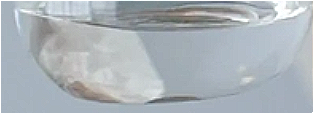
Lactobacillus fermented with Rosa Damascena callus extract filtrate is typically a liquid colorless or very light in color.
What it is used for and where
Rosa damascena is a small plant belonging to the Rosaceae family that produces light pink flowers. Phytochemical analysis reveals an abundant content of vitamin C, triterpenoic acids (oleanoic, ursolic, betulinic), unsaturated fatty acids (oleic, linoleic and alpha-linoleic), polyphenols, carotenoids and tannins. Most of these components have demonstrated antioxidant and anti-inflammatory activity.
In particular, rosehips are rich in vitamins, minerals, fatty acids. Citronellol and geraniol perform best in the petals.
Cosmetics
Antimicrobial agent. This ingredient is able to suppress or inhibit the growth and replication of a broad spectrum of microorganisms such as bacteria, fungi and viruses by making the stratum corneum temporarily bactericidal and fungicidal.
Antioxidant agent. Ingredient that counteracts oxidative stress and prevents cell damage. Free radicals, pathological inflammatory processes, reactive nitrogen species and reactive oxygen species are responsible for the ageing process and many diseases caused by oxidation.
Skin protectant. It creates a protective barrier on the skin to defend it from harmful substances, irritants, allergens, pathogens that can cause various inflammatory conditions. These products can also improve the natural skin barrier and in most cases more than one is needed to achieve an effective result.

