



Rosa damascena phytoplacenta culture extract is a compound obtained from the dried phytoplacenta of Rosa damascena.
The name describes the structure of the molecule:
- Rosa damascena is a small plant belonging to the Rosaceae family that produces light pink flowers. Phytochemical analysis reveals an abundant content of vitamin C, triterpenoic acids (oleanoic, ursolic, betulinic), unsaturated fatty acids (oleic, linoleic and alpha-linoleic), polyphenols, carotenoids and tannins. Most of these components have demonstrated antioxidant and anti-inflammatory activity. In particular, rosehips are rich in vitamins, minerals, fatty acids. Citronellol and geraniol perform best in the petals.
- phytoplacenta refers to an extract derived from a part of the plant that performs functions similar to the placenta in animals, such as nourishing and protecting cells.
- culture extract indicates that this ingredient is obtained from the culture of plant cells or tissues in a controlled environment, to maximize the extraction of beneficial compounds.
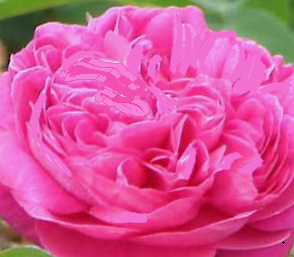
Raw Materials Used in Production:
This unique extract is obtained from the phytoplacenta cultures of Rosa Damascena, a variety of rose known for its fragrances and beneficial properties. Phytoplacenta is a plant tissue formed during the cell growth process of the plant.
Step-by-step Summary of Industrial Extraction Process:
- In vitro cultivation of Rosa Damascena cells to produce phytoplacenta tissue.
- Harvesting and collection of phytoplacenta cells once the desired growth stage is achieved.
- Extraction of active ingredients from the phytoplacenta tissue, usually via solvent extraction processes or cold extraction methods.
- Purification and concentration of the extract to optimize bioactive compounds.
- Quality control to ensure the purity and efficacy of the extract.
Form and Color
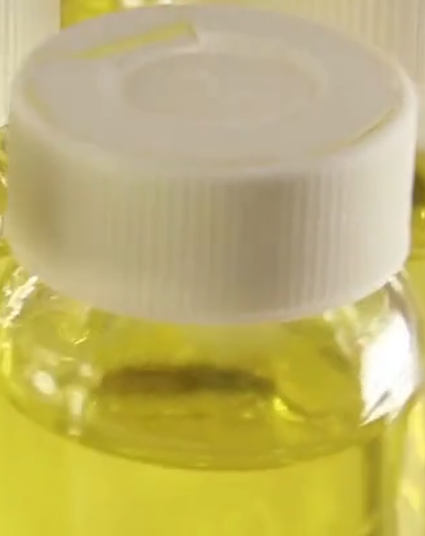
Rosa Damascena phytoplacenta culture extract typically appears as a clear liquid and can vary in color from yellow to brown, depending on the extraction method and concentration.
What it is used for and where
Cosmetics
Antioxidant agent. Ingredient that counteracts oxidative stress and prevents cell damage. Free radicals, pathological inflammatory processes, reactive nitrogen species and reactive oxygen species are responsible for the ageing process and many diseases caused by oxidation.
Skin protectant. It creates a protective barrier on the skin to defend it from harmful substances, irritants, allergens, pathogens that can cause various inflammatory conditions. These products can also improve the natural skin barrier and in most cases more than one is needed to achieve an effective result.
CAS 90106-38-0
EC number 290-260-3
Commercial Applications
Used in high-end cosmetic and skincare products for its moisturizing, regenerative, and antioxidant properties. It is valued for its effectiveness in improving skin appearance, enhancing brightness, and reducing signs of aging.

