



Centaurea Cyanus Callus Lysate Extract is a compound of natural origin obtained from the blue cornflower (Centaurea Cyanus L., an annual plant belonging to the Asteraceae family and native to Europe) obtained by extraction with soluble ethanol and water.
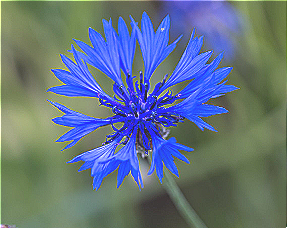
The name defines the structure of the molecule:
- "Centaurea". This is the botanical genus to which the plant belongs. Plants of this genus are commonly known as "cornflowers".
- "Cyanus". This is the specific species within the Centaurea genus. This plant is commonly known as "cornflower" or "bluebottle".
- "Callus". Refers to a mass of undifferentiated cells that form in response to wounds or cuts on the plant.
- "Lysate". Refers to a product obtained from the lysis (breaking) of cells.
- "Extract". Indicates that the product is an extract derived from the lysed callus cells.
The synthesis process takes place in several stages:
- Callus Cultivation. In sterile conditions, parts of the plant (like leaves or stems) are cultured in a specific medium to stimulate callus formation.
- Callus Growth. These calli are then grown under controlled conditions, often in thermostatic baths, to promote their growth and multiplication.
- Extraction. Once at a certain growth stage, the callus undergoes extraction, often using solvents like water, alcohol, or other specific solvents, to obtain the lysate rich in bioactive compounds.
- Purification. The extracted lysate is then purified to remove any impurities.
- Packaging. The callus lysate extract is then packaged in sealed containers ready for use.
What it is used for and where
Medical
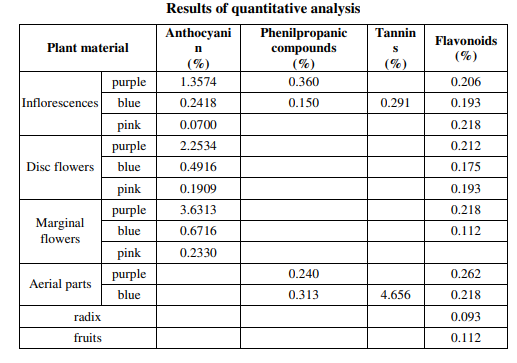
Centaurea Cyanus Callus Lysate Extract is an extract obtained from the Centaurea cyanus, the common cornflower, which has a long history of herbal use and is used in biomedicine for the treatment of minor eye inflammations due to some interesting components such as uronic monocarboxylic acids (especially galacturonic acid) flavonoids, tannins and anthocyanins with anti-inflammatory activity . In traditional medical science, cornflower infusion was used as a mouthwash for gingivitis, ulcers, to improve digestion and against infections. Aqueous extract of cornflower was used for cleansing and care of the eyes, against conjunctivitis. The seeds as a laxative for children.
The phytochemical composition is listed in this table (1):
Cosmetics
Optimised extract of Blue Cornflower (Centaurea Cyanus) with anti-inflammatory, astringent and skin-cleansing properties.
Skin protectant. It creates a protective barrier on the skin to defend it from harmful substances, irritants, allergens, pathogens that can cause various inflammatory conditions. These products can also improve the natural skin barrier and in most cases more than one is needed to achieve an effective result.
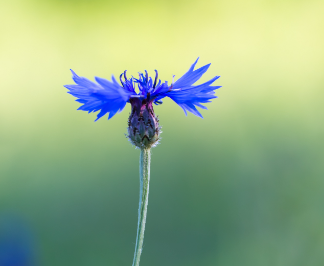
Typical commercial product characteristics Dried Blue Cornflower
| Appearance | Dried Cornflower petals |
| Loss on Drying | ≤7% |
| Heavy Metals | <10ppm |
| Total Plate | <10,000cfu/g |
| Storage | Keep away from strong,direct light. Clean,cool,dry area |
| Shelf life | 18 months |
CAS 84012-18-0
EC number 281-664-0

