



Centaurea Cyanus Seed is a compound of natural origin obtained from cornflower seeds (Centaurea Cyanus L., an annual plant belonging to the Asteraceae family and native to Europe) obtained by extraction with soluble ethanol and water.
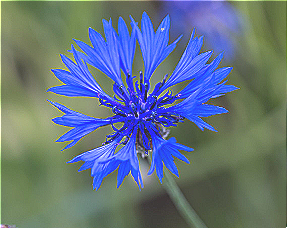
The name defines the structure of the molecule:
- Centaurea Cyanus refers to the scientific name of the cornflower plant, also known as Centaurea cyanus. It is a flowering plant of the Asteraceae family and is native to Europe. Cornflower extract or flower water comes from the petals or other parts of the plant Centaurea cyanus.
- Seed indicates that the part of the plant in question is the seed. It brings some of the aromatic and therapeutic properties of the plant from which it derives.
The synthesis process takes place in several stages:
- Growth. The Cornflower plants grow and bloom during the spring and summer.
- Harvesting. Once the flowers start to wither and the seed capsules mature, the plants are harvested.
- Separation. Seeds are separated from the capsules, often using threshing machines or other machinery.
- Cleaning. The seeds are cleaned to remove any impurities or plant residues.
- Drying. Cleaned seeds are dried to reduce moisture, aiding in storage.
- Packaging. The seeds are then packaged in bags or sealed containers ready for sale or further production processes such as grinding.
What it is used for and where
Medical
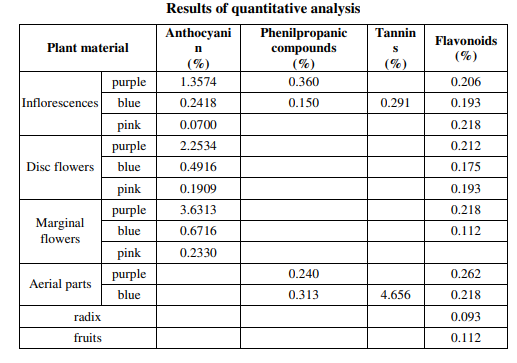
Centaurea Cyanus seed is an extract obtained from the seeds of the flower Centaurea cyanus, the common cornflower, which has a long history of herbal use and is used in biomedicine for the treatment of minor eye inflammations due to some interesting components such as uronic monocarboxylic acids (especially galacturonic acid) flavonoids, tannins and anthocyanins with anti-inflammatory activity . In traditional medical science, cornflower infusion was used as a mouthwash for gingivitis, ulcers, to improve digestion and against infections. Aqueous extract of cornflower was used for cleansing and care of the eyes, against conjunctivitis. The seeds as a laxative for children.
The phytochemical composition is listed in this table (1):
Cosmetics
Optimised extract of Blue Cornflower (Centaurea Cyanus) with anti-inflammatory, astringent and skin-cleansing properties.
Abrasive agent. It contains abrasive particles to remove stains or biofilm that accumulate on the stratum corneum or teeth. Baking soda, kieselguhr, silica and many others have abrasive properties. Peeling or exfoliating products used in dermatology or cosmetic applications contain abrasive agents in the form of synthetic microspheres, however these microspheres or abrasive particles are not biodegradable and create pollution in aquatic ecosystems.
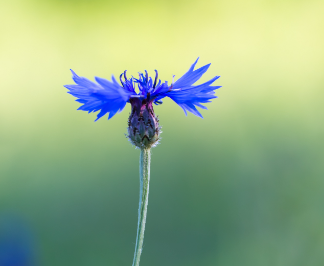
Typical commercial product characteristics Dried Blue Cornflower
| Appearance | Dried Cornflower petals |
| Loss on Drying | ≤7% |
| Heavy Metals | <10ppm |
| Total Plate | <10,000cfu/g |
| Storage | Keep away from strong,direct light. Clean,cool,dry area |
| Shelf life | 18 months |
CAS 84012-18-0
EC number 281-664-0

