



Polyurethane-65 is an inorganic chemical compound, a segmented block copolymer derived from urethane and synthesised from isocyanates.
The name describes the structure of the molecule:
- "Polyurethane" is a term that describes a class of polymers widely used in various applications due to their versatility and desirable properties such as durability, flexibility and abrasion resistance and temperature variations.
- "-65" is a reference to the specific type or grade of polyurethane, which can be characterized by such factors as the types of isocyanates and polyols used, their relative amounts, and the presence of any additives. . This is a designation used to differentiate different molecular structures or variants of the polymer. In cosmetic chemistry, these numbers can help formulators identify specific characteristics or behaviors of a given ingredient, particularly when a chemical family has multiple derivatives or forms.
Significant substances used in the production method:
Isophorone Diisocyanate (IPDI, dimethylolpropionic acid (DMPA, Neopentyl Glycol, Adipic Acid, ethylene diamine, trimethylamine.
Description of the raw materials used in production and their functions.
- Isophorone Diisocyanate (IPDI). An aliphatic diisocyanate that reacts with diols or polyols to form the polyurethane backbone.
- Dimethylolpropionic Acid (DMPA). A carboxylic acid with two hydroxyl groups, used to introduce free acid end-groups into the polymer, allowing for subsequent neutralization or further reactions.
- Neopentyl Glycol. A diol used as a chain extender and component of the soft phase of the polymer.
- Adipic Acid. A dicarboxylic acid used in the production of polyester polyols.
- Ethylene diamine. An aliphatic amine that can react with diisocyanates forming urea bonds and enhancing mechanical properties.
- Trimethylamine. A catalyst and neutralizing agent used in the process.
Step-by-step industrial synthesis.
- Preparation. A mixture of Neopentyl Glycol, Adipic Acid, and Dimethylolpropionic Acid (DMPA) is prepared to form a polyester polyol.
- Reaction. Isophorone Diisocyanate (IPDI) is added to the mixture, initiating the formation of the polyurethane prepolymer.
- Extension. Ethylene diamine is then added to further extend the chain and introduce urea functionalities.
- Neutralization. Trimethylamine is used to neutralize any free acid groups arising from DMPA.
What it is used for and where
Cosmetics
Nail Conditioning agent. It is an agent that creates protection against harmful or chemical substances by strengthening the nail structure against external elements and can repair any chipping, cracking or brittle nails. It helps keep the nail's outer layer and keratin protein in good condition. It can also prevent cracking and peeling of the nail.
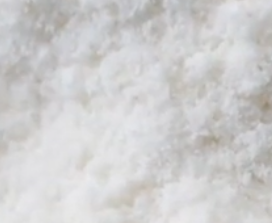
It appears as a white powder or colorless liquid.
Safety
Urethane (also called ethyl carbamate) is a by-product of fermentation and is considered a genotoxic agent.
Polyurethanes are rather complex, inert and biostable materials that are also used in biomedical applications. They are typically synthesised by the reaction of a glycol or polyol with polyisocyanate or diisocyanate. It is known that exposure to isocyanates can cause asthma, contact allergies, conjunctival and skin irritation. However, a study by the Cosmetic Ingredient Review Expert Panel in 2017 found that the rates of harmful residues are not significant for human health.

