



Polyurethane-59 is an inorganic chemical compound, a segmented block copolymer derived from urethane and synthesised from isocyanates.
The name describes the structure of the molecule:
- "Polyurethane" is a term that describes a class of polymers widely used in various applications due to their versatility and desirable properties such as durability, flexibility and abrasion resistance and temperature variations.
- "-59" is a reference to the specific type or grade of polyurethane, which can be characterized by such factors as the types of isocyanates and polyols used, their relative amounts, and the presence of any additives. . This is a designation used to differentiate different molecular structures or variants of the polymer. In cosmetic chemistry, these numbers can help formulators identify specific characteristics or behaviors of a given ingredient, particularly when a chemical family has multiple derivatives or forms.
Significant substances used in the production method:
ethylhexylglycerin, PEG-240, tetradecyloctadeceth-100, hexamethylenediisocyanate.
Description of raw materials used in production with their functions.
- Ethylhexylglycerin. A wetting and conditioning agent that may also act as a mild preservative.
- PEG-240. Polyethylene glycol with a molecular weight of 240. Acts as a solubilizing and softening agent.
- Tetradecyloctadeceth-100. Emulsifier and surfactant.
- Hexamethylenediisocyanate. Provides isocyanate groups for urethane bond formation.
Step-by-step summary of industrial chemical synthesis process.
- Hexamethylenediisocyanate react with PEG-240 to form a prepolymer with terminal isocyanate groups.
- Ethylhexylglycerin and Tetradecyloctadeceth-100 are added to the prepolymer, allowing for urethane bond formation between the isocyanate groups and the hydroxyl groups present.
- Polymerization continues to obtain the desired polymer network of Polyurethane-59.
What it is used for and where
Cosmetics
Emulsion stabilizer. Emulsions are thermodynamically unstable. Emulsion stabilisers improve the formation and stability of single and double emulsions. It should be noted that in the structure-function relationship, molar mass plays an important role.
Surfactant - Suspending agent. Cosmetic or pharmaceutical suspensions are known to be thermodynamically unstable and it is therefore essential to include in the formulation a suspending agent capable of dispersing any sedimented particulates and reducing the rate of sedimentation. The presence of this agent increases the consistency of the suspension medium and exerts a protective colloidal action with a surfactant action.
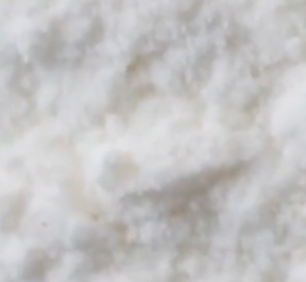
It appears as a white powder or colorless liquid.
Safety
Urethane (also called ethyl carbamate) is a by-product of fermentation and is considered a genotoxic agent.
Polyurethanes are rather complex, inert and biostable materials that are also used in biomedical applications. They are typically synthesised by the reaction of a glycol or polyol with polyisocyanate or diisocyanate. It is known that exposure to isocyanates can cause asthma, contact allergies, conjunctival and skin irritation. However, a study by the Cosmetic Ingredient Review Expert Panel in 2017 found that the rates of harmful residues are not significant for human health. (Polyurethane-59 is reported to contain no detectable residual ethylene oxide (detection limit < 1 ppm), dioxane (< 10 ppm), formaldehyde (< 1 ppm), and HDI (< 20 ppm).
It is an ethoxylated product, but since 240 ethylene oxide units are not easily absorbed through the stratum corneum, it seems unlikely that skin penetration would cause damage.

