



Polyurethane-58 is an inorganic chemical compound, a segmented block copolymer derived from urethane and synthesised from isocyanates.
The name describes the structure of the molecule:
- "Polyurethane" is a term that describes a class of polymers widely used in various applications due to their versatility and desirable properties such as durability, flexibility and abrasion resistance and temperature variations.
- "-58" is a reference to the specific type or grade of polyurethane, which can be characterized by such factors as the types of isocyanates and polyols used, their relative amounts, and the presence of any additives. . This is a designation used to differentiate different molecular structures or variants of the polymer. In cosmetic chemistry, these numbers can help formulators identify specific characteristics or behaviors of a given ingredient, particularly when a chemical family has multiple derivatives or forms.
Significant substances used in the production method:
ether glycol, 2,2-dimethylolpropionic acid and meta-tetramethylenexylenediisocyanate, water, 2-dimethylamino-2-methylpropanol, ethylenediamine.
Description of raw materials used in production with their functions:
- Ether Glycol. Provides hydroxyl groups for reaction with isocyanate.
- 2,2-Dimethylolpropionic Acid. Acid that provides hydroxyl groups for reaction with isocyanate and introduces carboxylic groups into the polymer.
- Meta-Tetramethylenexylenediisocyanate. Provides isocyanate groups for the formation of urethane bonds.
- Water. Used in foam-forming reaction and in reaction with isocyanates to form urea bonds.
- 2-Dimethylamino-2-Methylpropanol. Acts as a catalyst and neutralizing agent.
- Ethylenediamine. Provides amine groups for the formation of urethane bonds.
Step-by-step summary of industrial chemical synthesis process:
- Preparation. The mixture of ether glycol and 2,2-dimethylolpropionic acid is prepared.
- Reaction. Meta-tetramethylenexylenediisocyanate is added to the mixture to start forming a prepolymer.
- Addition. 2-dimethylamino-2-methylpropanol is added as a catalyst.
- Foam Formation. Water is added to initiate the foam-forming reaction.
- Termination. Once the desired degree of polymerization is reached, the reaction is stopped.
What it is used for and where
Cosmetics
Film-forming agent. It produces a continuous ultra-thin film with an optimal balance of cohesion, adhesion and stickiness on the skin or hair to counteract or limit damage from external phenomena such as chemicals, UV rays and pollution.
Hair fixative. This ingredient has the ability to create, with its protective film, stiffness and hold in the hair, and also has the ability to form, with its hydrophilic and elastic properties, bonds between the hair fibres, to keep the hair in a particular shape for a certain time.
Plasticiser. Ingredient added to the formulation with the purpose of retaining fragrance and colour, increasing flexibility, flowability, deformability, durability of various ingredients allowing better processing.
Skin conditioning agent. It is the mainstay of topical skin treatment by restoring, increasing or improving skin tolerance to external factors, including melanocyte tolerance. The most important function of the conditioning agent is to prevent skin dehydration, but the subject is rather complex and involves emollients and humectants.
Skin protectant. It creates a protective barrier on the skin to defend it from harmful substances, irritants, allergens, pathogens that can cause various inflammatory conditions. These products can also improve the natural skin barrier and in most cases more than one is needed to achieve an effective result.
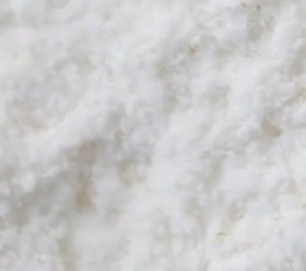
It appears as a white powder or colorless liquid.
Safety
Urethane (also called ethyl carbamate) is a by-product of fermentation and is considered a genotoxic agent.
Polyurethanes are rather complex, inert and biostable materials that are also used in biomedical applications. They are typically synthesised by the reaction of a glycol or polyol with polyisocyanate or diisocyanate. It is known that exposure to isocyanates can cause asthma, contact allergies, conjunctival and skin irritation. However, a study by the Cosmetic Ingredient Review Expert Panel in 2017 found that the rates of harmful residues are not significant for human health.

