



Polyurethane-29 is an inorganic chemical compound, a segmented block copolymer derived from urethane and synthesised from isocyanates.
The name describes the structure of the molecule:
- "Polyurethane" is a term that describes a class of polymers widely used in various applications due to their versatility and desirable properties such as durability, flexibility and abrasion resistance and temperature variations.
- "-29" is a reference to the specific type or grade of polyurethane, which can be characterized by such factors as the types of isocyanates and polyols used, their relative amounts, and the presence of any additives. . This is a designation used to differentiate different molecular structures or variants of the polymer. In cosmetic chemistry, these numbers can help formulators identify specific characteristics or behaviors of a given ingredient, particularly when a chemical family has multiple derivatives or forms.
Significant substances used in the production method:
methyl diethanolamine (MDEA), polytetramethylene ether glycol (PTMEG), hexamethylene diisocyanate (HDI), saturated methylene diphenyldiisocyanate (SMDI).
Description of the raw materials used in production and their functions.
- Methyl diethanolamine. A tertiary amine that provides hydroxyl functional groups and may also act as a catalyst during polyurethane formation.
- Polytetramethylene ether glycol (PTMEG). A polyether diol used to form soft segments in the polyurethane, giving it flexibility and resilience.
- Hexamethylene diisocyanate (HDI). An aliphatic diisocyanate used as a cross-linking agent to form the polyurethane backbone through isocyanate reactions.
- Saturated methylene diphenyldiisocyanate. An aromatic diisocyanate also used as a cross-linking agent providing added strength and stability to the polymer.
Step-by-step industrial synthesis.
- Preparation. Methyl diethanolamine and Polytetramethylene ether glycol are mixed to create a diol/amine base.
- Reaction. Hexamethylene diisocyanate is added to the mixture, initiating the formation of polyurethane prepolymers.
- Intensification. Saturated methylene diphenyldiisocyanate is added to further boost the properties of the polyurethane and extend the polymer chains.
- Curing. The mixture is left to cure to ensure complete reaction and obtain the desired polyurethane.
What it is used for and where
Cosmetics
Emulsion stabilizer. Emulsions are thermodynamically unstable. Emulsion stabilisers improve the formation and stability of single and double emulsions. It should be noted that in the structure-function relationship, molar mass plays an important role.
Film-forming agent. It produces a continuous ultra-thin film with an optimal balance of cohesion, adhesion and stickiness on the skin or hair to counteract or limit damage from external phenomena such as chemicals, UV rays and pollution.
Hair conditioning agent. A large number of ingredients with specific purposes can co-exist in a hair shampoo: cleansers, conditioners, thickeners, mattifying agents, sequestering agents, fragrances, preservatives, special additives. However, the indispensable ingredients are the cleansers and conditioners as they are necessary and sufficient for hair cleansing and manageability. The others act as commercial and non-essential auxiliaries such as: appearance, fragrance, colouring, etc. Hair conditioning agents have the task of increasing shine, manageability and volume, and reducing static electricity, especially after treatments such as colouring, ironing, waving, drying and brushing. They are, in practice, dispersing agents that may contain cationic surfactants, thickeners, emollients, polymers. The typology of hair conditioners includes: intensive conditioners, instant conditioners, thickening conditioners, drying conditioners.
Hair fixative. This ingredient has the ability to create, with its protective film, stiffness and hold in the hair, and also has the ability to form, with its hydrophilic and elastic properties, bonds between the hair fibres, to keep the hair in a particular shape for a certain time.
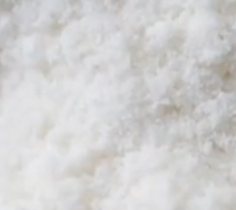
It appears as a white powder or colorless liquid.
Safety
Urethane (also called ethyl carbamate) is a by-product of fermentation and is considered a genotoxic agent.
Polyurethanes are rather complex, inert and biostable materials that are also used in biomedical applications. They are typically synthesised by the reaction of a glycol or polyol with polyisocyanate or diisocyanate. It is known that exposure to isocyanates can cause asthma, contact allergies, conjunctival and skin irritation. However, a study by the Cosmetic Ingredient Review Expert Panel in 2017 found that the rates of harmful residues are not significant for human health.

