



Ppg-12 Dimethicone is an inorganic chemical compound, a Dimethicone by-product.
The name describes the structure of the molecule:
- "PPG ". This abbreviation stands for "Polypropylene Glycol", indicating a series of propylene glycol polymers.
- "12". This number indicates the average molecular weight of the propylene glycol polymer used.
- "Dimethicone ". This part of the name indicates a silicone-based polymer, specifically a polydimethylsiloxane.
Description of raw materials used in production and their functions.
- Dimethylsilicic acid. It's the primary precursor used in producing polysiloxanes, which are the foundation of dimethicone.
- Propylene oxide (PO). Used to introduce propylene glycol units into the polymer structure, enhancing water solubility and emulsifying properties.
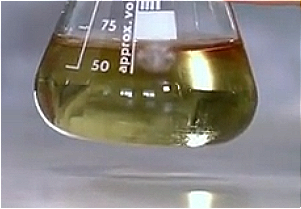
Typically presented as a viscous liquid and enerally colorless or slightly yellow.
Step-by-step summary of industrial chemical synthesis process.
- Polymerization. The dimethylsilicic acid is reacted in the presence of a catalyst to form a polysiloxane chain.
- Introduction of propylene glycol units. Propylene oxide is reacted with the polysiloxane to insert propylene glycol units along the polymer chain.
- Purification. The product is purified to remove any impurities and unreacted catalysts.
What it is used for and where
Cosmetics
Hair conditioning agent. A large number of ingredients with specific purposes can co-exist in a hair shampoo: cleansers, conditioners, thickeners, mattifying agents, sequestering agents, fragrances, preservatives, special additives. However, the indispensable ingredients are the cleansers and conditioners as they are necessary and sufficient for hair cleansing and manageability. The others act as commercial and non-essential auxiliaries such as: appearance, fragrance, colouring, etc. Hair conditioning agents have the task of increasing shine, manageability and volume, and reducing static electricity, especially after treatments such as colouring, ironing, waving, drying and brushing. They are, in practice, dispersing agents that may contain cationic surfactants, thickeners, emollients, polymers. The typology of hair conditioners includes: intensive conditioners, instant conditioners, thickening conditioners, drying conditioners.
Skin conditioning agent. It is the mainstay of topical skin treatment by restoring, increasing or improving skin tolerance to external factors, including melanocyte tolerance. The most important function of the conditioning agent is to prevent skin dehydration, but the subject is rather complex and involves emollients and humectants.
CAS: 68440-66-4 68554-64-3
Commercial Applications
Cosmetics and Personal Care. Ppg-12 Dimethicone is used as a skin and hair conditioning agent, imparting a soft and smooth feel upon application. It can be found in products like lotions, creams, shampoos, and conditioners.
Styling Products. Due to its anti-static and smoothing properties, it might be featured in hair mousses, gels, and other styling agents.
Safety
Dimethicone ((polydimethylsiloxane) is a chemical compound, a high molecular weight polymer derived from silicone, a chemically inert mixture of linear methylated siloxane polymers. The term 'dimeth' denotes two methyl groups bonded to the silicone molecule that provide the formation of dimethicone. It possesses a pronounced viscoelasticity characteristic and is hydrophobic, thus adding shine and slipperiness when applied to hair or skin. It forms a kind of barrier that prevents exogenous substances from entering the stratum corneum and at the same time prevents water loss. It is also UV-resistant, non-greasy and cost-effective. At low concentrations it is considered by the US FDA (Food and Drug Administration) to be a skin protector with a good degree of safety.
It is therefore considered safe when formulated to be non-irritating in cosmetic products as, given its high molecular weight, it is poorly absorbed by the skin or scalp.
PPG (Polypropylene glycol) in small quantities is a safe, biocompatible, biodegradable polymer that produces pyruvic acid, a metabolite that our body uses to produce metabolic energy.

