



Aluminum Calcium Sodium Silicate is an inorganic chemical compound, a complex inorganic compound that serves multiple functions in various industries, particularly in cosmetics and personal care products.
The name describes the structure of the molecule:
- Aluminum a lightweight metal, is known for its ability to form compounds that are stable and resistant to heat. In the context of Aluminum Calcium Sodium Silicate, aluminum contributes to the compound's overall stability and can impact its textural properties.
- Calcium, another key element in this compound, is often used in cosmetic and industrial products for its ability to improve texture and stability. Calcium can also influence the opacity and feel of the product on the skin.
- Sodium commonly found in various salts, plays a role in modifying the ionic balance of the compound. It can affect the solubility and dispersion characteristics, which are crucial for the application in cosmetics and other products.
- Silicate. The silicate part of the compound, essentially a silicon-oxygen network, is known for its ability to form diverse structures with varying properties. Silicates are widely used for their absorbing, thickening, and anti-caking properties.
Raw Materials and Their Functions
Aluminum, Calcium, Sodium, and Silicon. Elements that, when combined, form aluminum calcium sodium silicate. Each of these elements contributes to specific physical and chemical properties of the final compound.
Industrial Chemical Synthesis of Aluminum Calcium Sodium Silicate
- Combination and Melting the combination of minerals containing aluminum, calcium, sodium, and silicon. These materials are then melted together at high temperatures to form aluminum calcium sodium silicate.
- Reaction Control. The melting reaction is monitored to ensure that the combination of minerals occurs correctly and the final product has the desired properties.
- Cooling and Crushing. After melting, the compound is cooled and then crushed into a powder to facilitate its use in various applications.
- Quality Control. Aluminum calcium sodium silicate undergoes quality checks to ensure it meets the required standards. After quality control, it is packaged for use in cosmetic products, building materials, and personal care products.
Form and Color
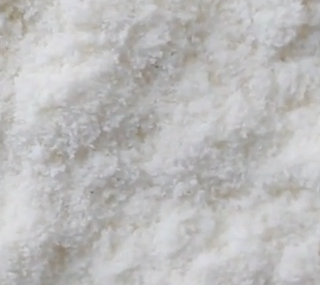
Aluminum Calcium Sodium Silicate is typically a solid in the form of powder usually white or slightly yellowish.
What it is used for and where
Cosmetics
Aluminum Calcium Sodium Silicate is primarily used in cosmetic products, such as eyeshadows, powders, and other makeup products, where it acts as an opacifying agent and improves texture. Due to its reflectivity and brightness, it is often employed to impart luminosity to cosmetic products. Additionally, it finds application in some industrial products and building materials for its properties of strength and stability.
Bulking agent. It regulates the water content, dilutes other solids, can increase the volume of a product for better flow, acts as a buffer against organic acids, helps to keep the pH of the mixture within a certain level.
EC number 215-685-3
CAS: 1344-01-0
Safety
Aluminium can interfere with different biological processes (cellular oxidative stress, calcium metabolism, etc.), so it can induce toxic effects in different organs and systems, and the nervous system is the main target of its toxicity.
Careful consideration should be given to the risk of cumulative aluminum intake, which cannot be ruled out because this ingredient can be found in both cosmetic products and widely consumed food products such as bread, various baked goods (1).

