



CI 77000 – properties, uses, pros, cons, safety and alternatives
Description
CI 77000 is a metallic pigment based on aluminium, used as a white/metallic colorant in cosmetic and industrial applications. It is also known as Aluminum Powder or Pigment Metal 1.
In the European food context it is classified as the additive E173, with restricted and specifically regulated uses.
The pigment is valued for its reflective properties and bright metallic effect, but it raises relevant safety and toxicological concerns, especially in the case of repeated or prolonged exposure.
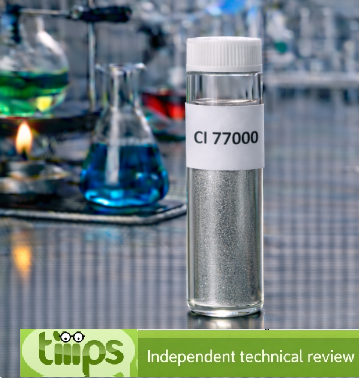
Chemical composition and structure
CI 77000 consists predominantly of metallic aluminium in a finely divided powder form. Its structure is that of an elemental metal, without complex molecular bonds, with a high surface area due to its fine particle size.
Main raw materials
Aluminium
A light, malleable metal characterized by high reflectivity and surface corrosion resistance.
From a biological perspective, aluminium is considered non-essential to the human body and potentially toxic if absorbed.
Aluminum is known for its reflective properties and resistance to corrosion, but it is also known to be dangerous when it enters the human body. Link below:
https://www.tiiips.com/m/tiiips/home?action=viewObject&oID=25256
Acids and chemical reagents
Used during manufacturing for surface treatments, improving adhesion, stability, and compatibility of the pigment in finished formulations.
| Component | Function | Critical note |
|---|---|---|
| Metallic aluminium | Reflective pigment | Potential toxicity |
| Chemical reagents | Treatment and stabilization | Residues must be controlled |
Industrial synthesis of CI 77000
The manufacturing process follows standardized industrial steps:
Production of aluminium powder
Aluminium metal is converted into powder through controlled milling or atomization.Chemical treatment
The powder is treated with acids or other reagents to improve oxidation resistance, adhesion, and stability.Purification
Removal of impurities to ensure consistent quality and compliance with application standards.Quality control and packaging
Verification of particle size, purity, and safety prior to packaging for cosmetics, paints, coatings, and other industrial uses.
What it is used for and where it is used
Cosmetics
Used as a metallic colorant to provide shine and reflective highlights in products such as:
eyeshadows
nail polishes
decorative make-up
Cosmetic Safety
Restricted cosmetic ingredient as IV / 117 a Relevant Item in the Annexes of the European Cosmetics Regulation (EU) 2023/1545. Substance or ingredient reported: Aluminium. Wording of conditions of use and warnings Purity criteria as set out in Commission Directive 95/45/EC (E 173)
Cosmetic assessment
From a formulation standpoint, it is an aesthetic ingredient, not a skin-benefit active. For this reason it is often regarded as a colorant to avoid, particularly in products with prolonged contact with skin and mucous membranes.
Pros and cons
| Pros | Cons |
|---|---|
| High reflectivity | No direct skin benefit |
| Strong metallic effect | Possible absorption through skin |
| Chemical stability | Potential biological accumulation |
| Broad industrial availability | Potential toxicity concerns |
Safety
Aluminium may interfere with several biological processes, including:
cellular oxidative stress
calcium metabolism
mitochondrial function
The nervous system is considered one of the primary targets of aluminium toxicity.
Chronic or cumulative exposure may increase the risk of undesirable effects, which is why cosmetic use is controversial and subject to regulatory restrictions.
| Parameter | Indication |
|---|---|
| Absorption | Possible (skin/mucosa) |
| Accumulation | Yes, over time |
| Target organs | Nervous system |
| Recommended use | Limited or avoided |
Regulatory identification
CAS: 7429-90-5
Chemical name: Aluminium
Molecular formula: Al
EC number: 231-072-3
UNII: KZJ3T010RQ
DTXSID: 3040273
Alternatives
| Option (INCI) | Product type | Key advantages |
|---|---|---|
| Mica (CI 77019) | Mineral effect pigment | Natural-looking shimmer (non-metallic), good stability and tolerability; more satin than the mirror-like effect of CI 77000. |
| Synthetic Fluorphlogopite | Synthetic mica (effect) | Very clean, uniform shimmer with strong batch consistency; useful to avoid metal powders and improve optical cleanliness. |
| Calcium Sodium Borosilicate | Glass flake (sparkle) | Higher sparkle than mica without metallic powder; strong payoff in color cosmetics (check particle size and sensory feel). |
| Silica | Mineral substrate (soft-focus/effect) | Diffuse radiance and blur, improves slip and feel; helps reduce reliance on high-impact metallic effects. |
| Bismuth Oxychloride (CI 77163) | Inorganic pearlescent pigment | TiO₂-free white/silver pearlescence, good sensory profile; assess against your natural/eco claims and purity specs. |

