



Rosmarinus officinalis (rosemary) phytoplacenta extract: properties, uses, pros, cons, safety
Rosmarinus officinalis (rosemary) phytoplacenta extract is a botanical ingredient obtained from the evergreen plant of the same name that belongs to the Lamiaceae family.
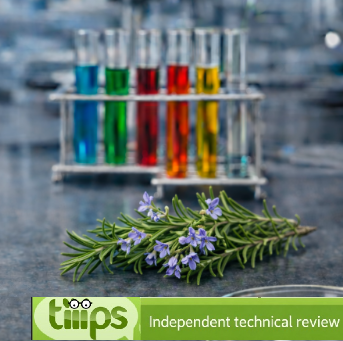
It is extracted using solvents such as hexane, ethanol or food-grade acetone through filtration, purification, solvent evaporation, drying and sieving.
Another industrial technique for its production goes through 4 stages: drying, steam distillation, supercritical carbon dioxide extraction, and hydrodistillation. Drying is the most delicate part of the production preparation process and is the one that determines the quality of the final product.
Among the polyphenolic components present in rosemary, carnosic acid has antioxidant and antimicrobial properties and rosmarinic acid has neuroprotective and anti-inflammatory properties.
What it is used for and where
Cosmetics
Skin conditioning agent - Humectant. Humectants are hygroscopic substances used to minimise water loss in the skin and to prevent it from drying out by facilitating faster and greater absorption of water into the stratum corneum of the epidermis. The epidermis is the most superficial of the three layers that make up the human skin (epidermis, dermis and hypodermis) and is the layer that maintains hydration in all three layers. In turn, the epidermis is composed of five layers: corneum, the most superficial, lucidum, granulosum, spinosum and basale. Humectants have the ability to retain in the stratum corneum the water they attract from the air and have the function of moisturising the skin. It is better to use them before emollients that are oil-based.
Antimicrobial agent. This ingredient is able to suppress or inhibit the growth and replication of a broad spectrum of microorganisms such as bacteria, fungi and viruses by making the stratum corneum temporarily bactericidal and fungicidal.
Antioxidant agent. Ingredient that counteracts oxidative stress and prevents cell damage. Free radicals, pathological inflammatory processes, reactive nitrogen species and reactive oxygen species are responsible for the ageing process and many diseases caused by oxidation.
Skin protectant. It creates a protective barrier on the skin to defend it from harmful substances, irritants, allergens, pathogens that can cause various inflammatory conditions. These products can also improve the natural skin barrier and in most cases more than one is needed to achieve an effective result.
Safety
Chemical compound generally considered safe for human health. Sporadic episodes of specific allergy may occur, as with any chemical compound.
Studies
In the phytochemical analysis, 18 components were identified, namely 13 flavones, two organic acids and three diterpenes. A total of 82 components were found in the volatile fractions, including hydrocarbon monoterpenes and 1,8-cineole, camphor, borneol and verbenone as dominant components, α-pinene and camphene among the oxygenated monoterpenes (1).
Among the polyphenolic components present in rosemary, carnosic acid has antioxidant and antimicrobial properties and rosmarinic acid has neuroprotective and anti-inflammatory properties.
Rosmarinic acid also has anti-oxidative properties.
Rosemary extract exerts a relaxing action on the muscles of the trachea and intestines and has therapeutic potential in the prevention of various diseases including cataracts, atherosclerosis, peptic ulcer disease, and cardiovascular disorders (2).
Rosemary essential oil obtained from leaves or flowers is used in dermatology to treat wounds and minor skin eruptions, in gastrointestinal disorders as an anti-dispeptic, diuretic and antispasmodic in renal colic (3), in neurology for headaches and circulation problems, in pneumology as an expectorant.

