



Citrus Aurantium Amara Peel Powder is the bitter orange, a fruit that is harvested from the tree of the same name, which belongs to the Rutaceae family and is cultivated in temperate zones almost all over the world. Extracts and essential oils widely used by the food, cosmetic and pharmaceutical industries are obtained from the peel, leaves, juice, flowers and seeds. It is a source of limonene, carotenoids, polyphenols, dietary fibre, soluble sugars, ascorbic acid, and pectin that exhibit antioxidant properties. Terpenes, flavonoids, carotenes and coumarins are known for their antimicrobial properties.
The name describes the structure of the molecule:
- Citrus Aurantium Amara refers to the peel of the bitter orange, a variety of citrus fruit. This peel is rich in essential oils and bioactive compounds like flavonoids and vitamin C, known for their antioxidant and revitalizing properties.
- Peel Powder indicates that the bitter orange peel has been dried and ground into a powder. This form allows for easy incorporation in cosmetic formulations, offering exfoliating and aromatic benefits.
Raw Materials Used in Production.
Citrus Aurantium Amara peel powder, also known as bitter orange or bigarade, is made from the dried peel of the bitter orange. This orange is a citrus fruit known for its distinctive, pungent taste.
Step-by-step Summary of Industrial Production Process.
- Harvesting of bitter oranges (Citrus Aurantium Amara).
- Removal of the peel from the fruits.
- Drying of the peel, typically through air dehydration or oven processes.
- Grinding the dried peel into a fine powder.
- Quality control to ensure the powder is free from impurities and contaminants.
Form and Color.
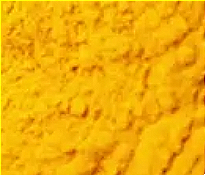
The powder is generally yellow or orange in color depending on the degree of drying and grinding.
What it is used for and where
Cosmetics
Fragrance. It plays a very important role in the formulation of cosmetic products as it allows perfume to be enhanced, masked or added to the final product, improving its commercial viability. The consumer always expects to find a pleasant scent in a cosmetic product.
Skin conditioning agent - Miscellaneous. This ingredient has the task of modifying the condition of the skin when it is damaged or dry by reducing its flakiness and restoring its elasticity.
CAS: 68916-04-1 72968-50-4 generic
Commercial Applications.
Used in various food products for its distinctive aroma and flavor, as well as in cosmetics for its exfoliating and revitalizing properties. Also employed in dietary supplements and aromatherapy products.

