



PEG-80 Glyceryl Cocoate is a chemical compound, alkyl glyceride, a mixture derived from PEG (PEG stands for Polyethylene glycol) from coconut oil mono- and diglycerides. The number appearing after the abbreviation PEG refers to mol of ethylene oxide and the higher this number is, the less it can penetrate the skin.
The name describes the structure of the molecule:
- "PEG-80" refers to Polyethylene Glycol with an average molecular weight of around 4000. Polyethylene Glycol (PEG) is a polyether compound widely used in a variety of applications, from industrial manufacturing to medicine.
- "Glyceryl" refers to a group derived from glycerol, a simple polyol compound.
- "Cocoate" is a term used in cosmetic chemistry to denote a substance that has been derived from coconut oil.
Description of raw materials used in production:
- Coconut Oil is obtained from the dried pulp of coconuts (Cocos nucifera). It is a natural source of fatty acids, including lauric acid, myristic acid, and palmitic acid.
- Polyethylene Glycol (PEG) - As mentioned earlier, polyethylene glycol is a synthetic polymer made by the polymerization of ethylene oxide. Its water solubility makes it a versatile and useful ingredient in various cosmetic formulations.
The synthesis process takes place in different steps:
- Glycerol is reacted with coconut oil to form mono-, di-, and tri-glycerides.
- These glycerides are then reacted with PEG-80 to form the ester PEG-80 Glyceryl Cocoate.
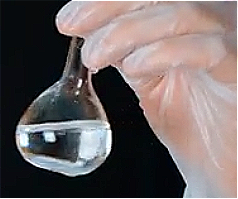
It appears as a colourless or yellowish liquid.
What it is used for and where
Cosmetics
- Surfactant - Cleansing agent. Cosmetic products used to cleanse the skin utilise the surface-active action that produces a lowering of the surface tension of the stratum corneum, facilitating the removal of dirt and impurities.
- Surfactant - Solubilising agent. Solubilisation facilitates the diffusion and transport of many cosmetic ingredients, even in the form of microemulsions, on the stratum corneum, improving the effectiveness of formulations
Pharmaceuticals
PEG-80 Glyceryl Cocoate can be used in pharmaceutical products as a vehicle for other ingredients, helping to improve their absorption through the skin.
Since the PEG (Polyethylene glycol) family is very numerous and can be found in cosmetic, industrial, pharmaceutical, medical and other products, it is necessary to make an introductory statement on the subject, which is rather complex from a safety point of view because these products not only come into contact with the skin, but, as in the case of medical products, are ingested.
PEGs (polyethylene glycol) polymerise condensed ethylene oxide and water and are referred to as polyethylene glycols, but in reality they are complex chemical components, polymers bonded together. For example, plastic is polyethylene and has a hard consistency, while polyethylene combined with glycol forms a liquid. PEGylation is produced not only as etherification, but also as transesterification, which is the transformation of an alcohol by an ester. The number appearing after the abbreviation PEG refers to mol of ethylene oxide and the higher this number is, the less it can penetrate the skin.
Safety. The term 'eth' refers to the ethoxylation process (reaction with ethylene oxide) after which residues of ethylene oxide and 1,4-dioxane, chemical compounds considered carcinogenic, may remain in the final product. It depends on the degree of purity resulting from the completed reaction.
It is an ethoxylated product, but since 80 ethylene oxide units are not easily absorbed through the stratum corneum, it seems unlikely that skin penetration would cause damage.
CAS: 68201-46-7 generic

