



Sodium lauryl phosphate: proprietà, utilizzi, funzioni INCI, sicurezza
Sale sodico di lauryl phosphate – alkyl phosphate (C12) in forma neutralizzata (sodio)
Sinonimi: sodium dodecyl phosphate, sodium monolauryl phosphate, sodium monododecyl phosphate, dodecyl phosphate, sodium salt
INCI / Funzioni: tensioattivo – detergente, tensioattivo – schiumogeno, tensioattivo – emulsionante (anionic surfactant)
Definizione
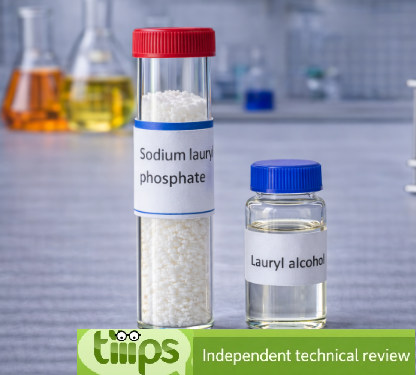
Sodium lauryl phosphate è il sale sodico di un estere fosforico a catena C12 (famiglia alkyl phosphates), ottenuto per fosfatazione dell’alcol laurilico (1-dodecanolo) e successiva neutralizzazione con base sodica. Dal punto di vista compositivo, i gradi commerciali possono essere descritti come sale della specie “monoestere” (dodecyl phosphate) oppure come una miscela controllata di specie correlate (mono/diesteri fosfato e relativi sali), a seconda del processo e della specifica del produttore. La forma sodica è tipicamente scelta per migliorare solubilità in acqua, facilitare l’impiego in detergenza e rendere più prevedibile il controllo di pH rispetto alla forma acida.
Usi principali
Cosmetica: detergenti (viso/corpo), shampoo, sistemi schiumogeni e alcuni sistemi O/W come tensioattivo anionico/co-emulsionante, agente di pulizia.
Medicina: non tipico come ingrediente standard; eventuali impieghi sono specialistici.
Farmaceutica: non comune come eccipiente mainstream; uso subordinato a dossier e specifiche.
Uso industriale: tensioattivo/emulsionante e agente di bagnamento in formulazioni tecniche.
Dati di identificazione e specifiche
| Identificativo | Valore |
|---|---|
| Nome INCI | Sodium Lauryl Phosphate |
| Inquadramento chimico | alkyl phosphate, sale sodico (C12) |
| Specie chimica di riferimento (frequente) | sodio dodecil fosfato (sale di dodecyl phosphate) |
| Numero CAS | 50957-96-5 |
| Numero EC/EINECS | 256-865-1 |
| Nota su CAS/EC | per alcuni gradi commerciali possono comparire identificativi alternativi (miscela/registrazione); fare sempre fede SDS/CoA del produttore |
| Formula molecolare | C12H26NaO4P |
| Peso molecolare | 288.30 g/mol |
| Rischio chimico |  |
Principali sostanze contenute
| Classe | Componenti tipici | Nota tecnica |
|---|---|---|
| Frazione fosfati tensioattivi | sale sodico del monoestere e, in alcuni gradi, quota di specie correlate | influenza schiuma, detergenza, limpidezza e viscosità |
| Controioni | Na⁺ (prevalente) | definisce la forma “sodium salt” |
| Tracce/impurezze controllate | residui di processo e specie affini | gestire via specifiche e controllo qualità |
Ruolo funzionale e meccanismo d’azione (pratico)
| Funzione | Cosa fa in formula | Nota tecnica |
|---|---|---|
| Tensioattivo anionico detergente | riduce tensione superficiale, migliora bagnamento e rimozione sporco | resa dipendente da pH e pacchetto tensioattivo |
| Schiumogeno | contribuisce a volume e qualità della schiuma | sinergico con anfoteri/non-ionici |
| Emulsionante/co-emulsionante | supporta sistemi O/W e solubilizzazione di frazioni lipofile | utile in blend mirati |
Compatibilità formulativa
Essendo un tensioattivo anionico, Sodium lauryl phosphate è generalmente compatibile con pacchetti detergenti anionici e anfoteri (es. betaine), dove può contribuire a schiuma e bagnamento. La compatibilità con componenti cationici (quaternari, polyquaternium, condizionanti cationici) va invece gestita con attenzione per il rischio di complessazione (torbidità, precipitati, perdita di performance): in prodotti “2-in-1” o conditioner cationici non è in genere la scelta primaria, salvo architetture formulate ad hoc.
Nei sistemi “clear” la limpidezza dipende da: concentrazione attiva, profilo di elettroliti, co-tensioattivi e temperatura. Poiché la forma sodica è già neutralizzata, il controllo del pH è in genere più semplice rispetto alla forma acida, ma resta opportuno verificare stabilità pH/viscosità nel tempo e su cicli termici. In emulsioni O/W può agire come co-emulsionante, tuttavia la resa dipende fortemente dal resto del sistema emulsionante e dalla forza ionica: è consigliabile valutare la stabilità con stress termico e centrifuga.
Linee guida d’uso (indicativo)
| Applicazione | Range tipico | Nota tecnica |
|---|---|---|
| Detergenti viso/corpo (gel, foam, syndet liquidi) | 0,5–5,0% | modulare in base a mildness e target schiuma |
| Shampoo | 0,5–5,0% | sinergico con anfoteri; ottimizzare viscosità ed elettroliti |
| Co-emulsionante / solubilizzante O/W | 0,2–2,0% | verificare stabilità e compatibilità con elettroliti |
(Le percentuali dipendono dal grado commerciale e dalla concentrazione attiva della materia prima.)
Applicazioni tipiche
Detergenti schiumogeni per corpo/viso con profilo anionico, spesso in blend con anfoteri per ottimizzare mildness.
Shampoo e prodotti di detersione capelli dove si desidera un contributo a schiuma e bagnamento.
Sistemi O/W specifici in cui la testa fosfato supporta emulsione/solubilizzazione in combinazione con altri emulsionanti.
Funzioni INCI: Emulsionante, Agente di pulizia
Qualità, gradi e specifiche
| Parametro QC | Cosa controllare |
|---|---|
| Identità | allineamento INCI e CAS/EC su SDS/CoA |
| Titolo/attivo | % attivo e profilo (mono/diesteri, se dichiarato) |
| pH (soluzione) | range e ripetibilità lotto-lotto |
| Elettroliti/impurezze | sali residui, solfati/fosfati liberi (se applicabile) |
| Colore/odore | stabilità e impatto su formule “clear” |
| Microbiologia (se in soluzione) | limiti e preservazione del grado, se pertinente |
Sicurezza, normativa e ambiente
Come tensioattivo anionico, Sodium lauryl phosphate va considerato soprattutto rispetto al potenziale di irritazione oculare in caso di contatto diretto (tema comune ai detergenti schiumogeni). La gestione corretta si basa su: dose, pH finale, scelta dei co-tensioattivi (anfoteri/non-ionici) e additivi di mildness, oltre alla valutazione di sicurezza sul prodotto finito secondo Reg. (CE) 1223/2009 e relativo CPSR. A livello ambientale, l’approccio raccomandato è quello tipico dei tensioattivi: minimizzare rilasci industriali non controllati e gestire gli scarichi secondo normativa locale e buone pratiche di processo.
Troubleshooting formulativo
| Problema | Possibile causa | Intervento consigliato |
|---|---|---|
| Torbidità/precipitati con condizionanti cationici | complessazione anionico–cationico | ridurre/evitare cationici, separare fasi funzionali, riformulare pacchetto tensioattivo |
| Perdita di “clear” in gel detergente | elettroliti, temperatura, profilo co-tensioattivi | ritarare sali, cambiare anfoteri/non-ionici, ottimizzare viscosizzante |
| Irritazione percepita | dose/pH/sistema tensioattivo non ottimizzati | ridurre attivo, usare co-tensioattivi più mild, regolare pH e additivi lenitivi |
| Schiuma insufficiente o instabile | bilanciamento tensioattivi non corretto | aumentare anfoteri, ottimizzare rapporto anionico/anfotero, verificare elettroliti |
Conclusione
Sodium lauryl phosphate è un alkyl phosphate anionico in forma sale sodico, utile in detergenza per il contributo a bagnamento, schiuma ed eventuale supporto emulsionante. La chiave applicativa è bilanciare correttamente il pacchetto tensioattivo e gestire la compatibilità con componenti cationici, oltre a controllare limpidezza e stabilità su pH/elettroliti per garantire performance e sensorialità ripetibili.

