



Sodium Silver Aluminum Silicate is a chemical compound, the complex silicate produced by the reaction of sodium silicate with sodium aluminate in an aqueous solution of sodium nitrate, sodium hydroxide and silver nitrate.
The name describes the structure of the molecule:
- Sodium indicates the presence of sodium ions, Na⁺, which are commonly involved in inorganic and organic compounds, often to balance charges or as part of crystal structures.
- Silver, is a precious metal known for its antibacterial and conductive properties. In materials chemistry, silver can be used for its antimicrobial properties or to enhance conductivity.
- Aluminum is a light and strong metal. In silicate chemistry, aluminum can substitute for silicon in some structures, affecting the physical and chemical properties of the compound.
- Silicate. Silicates are a class of minerals that contain silicon and oxygen, often with other elements like aluminum. They are known for their strength, stability, and variety of crystal structures.
Raw Materials Used in Production:
The production of Sodium Silver Aluminum Silicate involves the reaction of sodium silicate with sodium aluminate in an aqueous solution of sodium nitrate, sodium hydroxide, and silver nitrate.
Step-by-step Summary of Industrial Production Process.
- Preparation of a solution of sodium silicate and sodium aluminate.
- Addition of an aqueous solution of sodium nitrate and sodium hydroxide.
- Introduction of silver nitrate into the mixture.
- The reaction yields Sodium Silver Aluminum Silicate.
- The solution is then filtered and purified.
- Drying of the final product.
- Quality and specification checks of the finished product.
Form and Color.
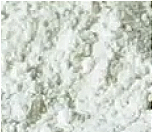
This compound generally appears as a fine powder that is white or slightly yellowish in color.
What it is used for and where
Cosmetics
Absorbent. Absorbs substances dispersed or dissolved in aqueous solutions, water/oil, oil/water.
Deodorant agent. When substances that give off an unpleasant odour are included in cosmetic formulations (typical examples are methyl mercaptan and hydrogen sulphide derived from garlic), deodorants attenuate or eliminate the unpleasant exhalation.
Safety
Aluminium can interfere with different biological processes (cellular oxidative stress, calcium metabolism, etc.), so it can induce toxic effects in different organs and systems, and the nervous system is the main target of its toxicity.
A warning should be given about the risk of aluminium intake, which cannot be ruled out as this ingredient can be found both in cosmetic products and in widely consumed foodstuffs such as bread, various baked goods (1).
Environmental Considerations. As a silicate-based compound, it may have environmental impacts if not properly managed.
Commercial Applications
Food and Pharmaceutical Industry. Used as a thickening and stabilizing agent in certain food and pharmaceutical products. It acts to improve the texture and stability of these formulations.
Cosmetic Products. Employed in cosmetics for its opacifying properties and as an additive to improve the texture of products.
Food Packaging. Used in some packaging materials for its antimicrobial properties, particularly against bacteria and molds, helping to extend the shelf life of food products.
Safety
Aluminium can interfere with different biological processes (cellular oxidative stress, calcium metabolism, etc.), so it can induce toxic effects in different organs and systems, and the nervous system is the main target of its toxicity.
Careful consideration should be given to the risk of cumulative aluminum intake, which cannot be ruled out because this ingredient can be found in both cosmetic products and widely consumed food products such as bread, various baked goods (1).

