



Polysilicone-2 is a silicone chemical compound, homopolymer produced by the reaction of Tetramethylcyclotetrasiloxane with 1-tetradecene.
The name defines the structure of the molecule:
- Poly refers to polymers, which are large molecules composed of repeated subunits. In the context of chemical science and materials, a polymer is a large molecule, or macromolecule, composed of many repeated subunits, known as monomers.
- Silicone is a type of synthetic material with a wide range of uses, from lubricants to medical applications to cosmetics. Silicones are polymers that include any synthetic compound consisting of repeated units of siloxane, which is a chain of alternating silicon and oxygen atoms, combined with carbon and/or hydrogen.
- -2 typically refers to a specific variant or form of a compound. In this case, it probably refers to a specific form or variant of polysilicon.
The synthesis process takes place in several stages:
- Preparation of siloxanes, structures supporting silicones, can be synthesized by hydrolysing chlorosilicans with water.
- Polymerization. Siloxanes enter a polymerization process using a catalyst such as a tin compound or a platinum compound. This forms a silicone polymer, which can have various properties depending on the specific types of siloxanes used and the conditions of polymerization.
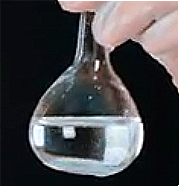
Polysilicone-2 is a type of silicone, which are typically colorless and can come in various forms such as oils, rubbers, or resins. However, the exact form and color of Polysilicone-2 may depend on how it is processed or used in specific products.
Safety.
It is an ingredient that has a high bioaccumulation and persistence, however in cosmetic use this ingredient is considered safe.
Silicones have high chemical stability but low biodegradability and high bioaccumulation potential. Silicone is a polymer that is often used in cosmetics and personal care products for its conditioning and emollient properties of the skin.
What it is used for and where
Cosmetics
Antifoaming agent. The constituent factors for foam stabilisation are the concentration of nanoparticles and hydrophobicity. Foam, even when used in separation operations such as fractionation or flotation, can cause a decrease in density and a deterioration in quality in cosmetic products. The defoaming agent (non-polar oil, silicone oils, hydrophobic solid particles or mixtures of both) is strongly influenced by viscosity and, to an almost directly proportional extent, concentration. However, defoamers can carry an irreversible source of contamination.
Hair conditioning agent. A large number of ingredients with specific purposes can co-exist in a hair shampoo: cleansers, conditioners, thickeners, mattifying agents, sequestering agents, fragrances, preservatives, special additives. However, the indispensable ingredients are the cleansers and conditioners as they are necessary and sufficient for hair cleansing and manageability. The others act as commercial and non-essential auxiliaries such as: appearance, fragrance, colouring, etc. Hair conditioning agents have the task of increasing shine, manageability and volume, and reducing static electricity, especially after treatments such as colouring, ironing, waving, drying and brushing. They are, in practice, dispersing agents that may contain cationic surfactants, thickeners, emollients, polymers. The typology of hair conditioners includes: intensive conditioners, instant conditioners, thickening conditioners, drying conditioners.

