



Polyquaternium-114 is a copolymer, the polymeric quaternary ammonium salt.
The name describes the structure of the molecule:
- Polyquaternium indicates that the compound belongs to the class of quaternary ammonium polymers, also known as polyquaterniums. These polymers are characterized by fixed positive charges along the molecular chain.
- -114 is a specific identifier that distinguishes this particular type of polyquaternium from others. Each number identifies a unique chemical structure and specific properties. The number is a chronological reference of the registration date of this ingredient.
Raw Materials and Their Functions
Base Monomers. The monomers used in the synthesis of Polyquaternium-114 may include quaternary ammonium compounds and other specific monomers that impart the polymer's unique properties.
Catalysts and Reagents. Used to facilitate the polymerization reaction and ensure the correct formation of the polymer.
Industrial Chemical Synthesis of Polyquaternium-114
- Polymerization. The process begins with the polymerization of the base monomers. This reaction is usually catalyzed to form a long and stable polymer chain.
- Reaction Control. The polymerization reaction is carefully controlled to ensure that the polymer has the desired chain length and properties.
- Purification. After polymerization, Polyquaternium-114 is purified to remove impurities and by-products.
- Quality Control and Packaging. The purified Polyquaternium-114 undergoes quality checks to ensure it meets the required standards. After quality control, it is packaged for use in hair and skin care products, where it utilizes its conditioning, antistatic, and film-forming properties.
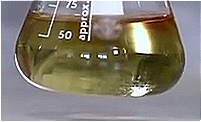
It occurs as a colourless to light yellow liquid, soluble in water, insoluble in ester, hydrocarbons and ketone.
What it is used for and where
Polyquaternium-114 is used in hair products like conditioners and leave-in treatments for its conditioning properties. It helps to improve combability, reduce static electricity, and provide shine and softness to the hair. It can also be found in some skincare products for its moisturizing and film-forming properties.
Cosmetics
Film-forming agent. It produces a continuous ultra-thin film with an optimal balance of cohesion, adhesion and stickiness on the skin or hair to counteract or limit damage from external phenomena such as chemicals, UV rays and pollution.
Hair conditioning agent. A large number of ingredients with specific purposes can co-exist in a hair shampoo: cleansers, conditioners, thickeners, mattifying agents, sequestering agents, fragrances, preservatives, special additives. However, the indispensable ingredients are the cleansers and conditioners as they are necessary and sufficient for hair cleansing and manageability. The others act as commercial and non-essential auxiliaries such as: appearance, fragrance, colouring, etc. Hair conditioning agents have the task of increasing shine, manageability and volume, and reducing static electricity, especially after treatments such as colouring, ironing, waving, drying and brushing. They are, in practice, dispersing agents that may contain cationic surfactants, thickeners, emollients, polymers. The typology of hair conditioners includes: intensive conditioners, instant conditioners, thickening conditioners, drying conditioners.
Hair fixative. This ingredient has the ability to create, with its protective film, stiffness and hold in the hair, and also has the ability to form, with its hydrophilic and elastic properties, bonds between the hair fibres, to keep the hair in a particular shape for a certain time.
Waving and straightening agent for hair. It is an ingredient that enables straightening and/or waving by permanently changing the shape or configuration of the keratinous hair fibres.
CAS: 325819-85-0

