



Lime (Citrus Aurantifolia) is a fruit plant belonging to the Rutaceae family that grows in temperate zones around the world. It is used industrially by the food, cosmetic and pharmaceutical industries. The fruits and leaves yield essential oils with biologically active compounds that are important for human nutrition and proper diet.
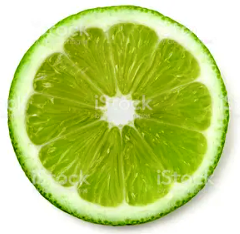
Lime, plant and fruit
(Citrus spp. — mainly Citrus × aurantiifolia and Citrus × latifolia, family Rutaceae)
Common name: Lime
Source plant: Citrus aurantiifolia (Christm.) Swingle
(another important commercial species: Citrus latifolia Tanaka, “Tahiti lime”)
Kingdom: Plantae
Clade: Angiosperms
Clade: Eudicots
Order: Sapindales
Family: Rutaceae
Genus: Citrus
Main species: Citrus aurantiifolia (acid lime, key lime)
Cultivation and growing conditions of lime
Climate:
Prefers warm, bright subtropical and tropical climates.
More sensitive to cold than lemon; does not tolerate frost and is damaged near 0 °C.
In temperate regions it is grown in very sheltered positions or in pots, to be protected in winter.
Exposure:
Requires full sun for good growth, flowering and essential oil content in the peel.
Protection from cold, dry winds is important.
Soil:
Prefers well-drained, medium-textured soils with good organic matter.
Grows best at slightly acidic to neutral pH; poorly adapted to heavy, compact, waterlogged soils.
Watering:
Needs regular irrigation in spring and summer, keeping the soil moderately moist.
Avoid both prolonged drought (flower and young fruit drop) and excess water (root rot risk).
In mild climates and open ground, irrigation is greatly reduced or stopped in winter.
Temperature:
Optimal growth roughly between 18 and 30 °C.
Temperatures below about 5–7 °C can cause damage, especially to young plants and fruits.
Fertilization:
Requires good nitrogen supply along with phosphorus, potassium and micronutrients (especially iron, zinc and manganese).
Regular applications of compost or well-rotted manure and citrus-specific fertilizers are beneficial.
Crop management:
Light pruning to keep the canopy open, remove dead or diseased branches and support fruiting.
Weed control in the area around the trunk.
In pots: periodic repotting and careful attention to drainage (drainage layer at the bottom).
Harvest:
Fruits are generally harvested while still green or just starting to turn color, depending on market and use.
Hand harvesting requires care not to damage the peel, which is rich in essential oils.
Propagation:
Mainly by grafting onto rootstocks of other citrus species (e.g. sour orange, trifoliate orange or hybrids) to improve soil adaptation and stress tolerance.
Seed is used mainly in nurseries or for rootstock production, not to maintain varietal traits.
Description
Plant: small evergreen tree or large shrub with rounded, dense canopy, typically 3–5 m tall (up to ~6–7 m in ideal climates).
Key/Mexican lime (Citrus × aurantiifolia): more spiny, irregular growth habit, small ovate–elliptic leaves, very aromatic.
Persian/Tahiti lime (Citrus × latifolia): almost thornless, more vigorous, compact canopy; larger fruits, usually seedless.
Flowers: white with occasional purple tinge, strongly fragrant, often multiple blooms per year (tends to be “everbearing” in suitable climates).
Fruit: small round–oval citrus (2–6 cm), thin peel, bright green turning yellow at full maturity; juicy pulp, very acidic and intensely aromatic.
Indicative nutritional values (per 100 g fresh pulp, raw)
Energy: ~30–40 kcal
Water: ~88–90 g
Protein: ~0.7–0.8 g
Total carbohydrates: ~10–11 g
Simple sugars: ~1.5–2.0 g
Dietary fibre: ~2.5–3 g
Total fat: ~0.2 g (traces of SFA/MUFA/PUFA — saturated/mono-/polyunsaturated fatty acids; amounts are nutritionally negligible, but in general it is advisable to limit saturated fats in the overall diet)
Minerals (typical): Potassium ~100 mg; Iron ~0.5–0.6 mg
Vitamins: Vitamin C ~25–30 mg; small amounts of folates and carotenoids
(Values vary slightly with variety, origin, and ripeness.)
Key constituents
Organic acids: predominantly citric acid, responsible for the marked acidity; malic acid and others in trace amounts.
Vitamin C (ascorbic acid): moderate–good content; sensitive to oxygen, light, and heat.
Polyphenols: citrus flavonoids (e.g. eriocitrin, hesperidin) and minor phenolics with potential antioxidant activity.
Essential oils in the peel: mainly monoterpenes (limonene, γ-terpinene, pinene isomers) plus oxygenated compounds (citral, linalool), with small amounts of furanocoumarins in the non-volatile fraction.
Carbohydrates: simple sugars and pectins (in membranes and albedo).
Lipids: traces in the peel oil; almost none in the pulp.
Production/cultivation process
Climate: typically tropical/subtropical, very sensitive to frost; prefers sunny, warm, and wind-sheltered exposures.
Soil: well-drained soils, slightly acidic to neutral, rich in organic matter; suffers from waterlogging and strongly calcareous soils (risk of chlorosis).
Propagation: mainly by grafting onto citrus rootstocks (e.g. sour orange, citrange); Key lime can also be grown from seed (relatively true-to-type).
Agronomy: training and maintenance pruning, balanced NPK fertilisation with micronutrients, regular irrigation during flowering/fruit set and fruit enlargement.
Harvest: fruits are usually picked green (maximum acidity and aroma); if allowed to ripen fully they turn yellow and become less acidic.
Physical properties of the fruit
Size: small (Key) ~2–4 cm; medium (Persian/Tahiti) ~4–6 cm.
Peel: thin, smooth to slightly rough, with many oil glands.
Pulp: segmented, yellow–green, very juicy.
Juice pH: typically ~2.0–2.4 (very acidic).
aw: high water activity, as expected for fresh fruit.
Sensory and technological properties
Aroma profile: fresh citrus with a distinctive “lime” character, more herbal/green and less pungent than lemon; Key lime is generally more intense and complex.
Taste: strongly acidic with slight peel/albedo bitterness; very effective at “brightening” flavours.
Technological role:
pH control and mild preservative effect in sauces, beverages, and marinades;
contribution to gelation/texture when pectins and sugars are present (e.g. in mixed jams and marmalades);
flavour enhancement in combination with sugar, salt, and spices.
Food applications
Culinary/home use:
raw seasoning (fish, seafood, salads, ethnic dishes);
marinades (ceviche, white meats, tofu, vegetables);
beverages (limeade, lemon–lime drinks, cocktails, cold infusions);
desserts (key lime pie, cheesecakes, sorbets, curds, toppings).
Industry:
juices, nectars, flavoured soft drinks;
flavouring of baked goods, snacks, candies, chewing gum;
production of lime essential oil and compounded flavours;
acidity correction in juice and beverage blends.
Nutrition & health
Low energy density, modest sugars, and a useful amount of vitamin C and fibre (especially if some albedo and membranes are consumed).
Fat intake from lime is essentially zero; the tiny amounts of fatty acids (saturated and unsaturated) are irrelevant for the lipid profile of the diet.
The strong acidity can help:
improve the palatability of dishes with reduced salt or sugar;
stimulate salivation and perceived digestion (physiological perception, not a guaranteed medicinal effect).
Vitamin C supports immune function, protection against oxidative stress, and collagen synthesis.
In people with GERD, gastritis, or peptic ulcer, large amounts of highly acidic juices may be irritating.
Serving note
As fresh fruit, 1 serving ≈ 1–2 limes (about 80–120 g total).
As juice, ~15–30 ml (1–2 tablespoons) per serving of dressing or diluted beverage.
Allergens and intolerances
Lime is not among the 14 major EU allergens; however, rare individual citrus allergies exist.
Juice and peel on skin + sunlight (especially if not washed off) can cause phytophotodermatitis because of furanocoumarins — relevant in bar/kitchen work outdoors.
In processed foods (drinks, desserts, candies), allergens typically come from recipe ingredients (milk, soy, gluten, etc.) rather than from lime itself.
Quality and specifications (fresh fruit)
Appearance: smooth, firm peel, bright green colour (or green–yellow for more mature fruits), free from deep bruises, mould, or rots.
Weight and juiciness: fruits that feel heavy for their size are usually juicier.
Seeds: numerous in Key lime; few or none in Persian/Tahiti.
Pesticide residues: must comply with legal limits; especially important if the peel is used in cooking.
Storage and shelf-life
At room temperature: 1–2 weeks in a cool, dry, well-ventilated place; avoid high-ethylene environments from other ripe fruits.
In the refrigerator (4–7 °C): 3–4 weeks in the vegetable drawer, preferably in a perforated bag or net.
Juice: best consumed soon after squeezing; in the fridge 1–2 days in a closed container; more stable if frozen as cubes.
Zest: can be grated and frozen or dried for later flavouring use.
Safety and regulatory
Production and post-harvest operations should follow GMP/HACCP with controls for pesticides, mycotoxins (where relevant), and foreign bodies.
For processed lime products (juices, beverages, flavours), specific rules apply regarding:
minimum fruit content and acidifiers;
use of natural flavourings;
limits for additives (preservatives, colours) and residues.
Labeling
Fresh fruit: name “lime” (or commercial name, e.g. “Tahiti lime”), origin, size and class where required, lot identification and, if prepacked, storage conditions.
Lime-based products: clear indication of juice/pulp content, use of natural flavours or nature-identical flavours, and any preservatives (e.g. sulphites) and sweeteners.
Troubleshooting (culinary/industrial)
Bitter juice → excessive peel/albedo extraction or too vigorous squeezing (oil and compounds from peel and seeds) → press more gently, filter, or blend with other citrus juices.
Loss of fresh aroma in drinks/desserts → volatilisation and oxidation → add juice or flavour as late as possible in processing, limit heat and air exposure, use closed containers.
Dull colour in sweet/dairy products → oxidation and pH effects → combine lime with other citrus or natural colours; manage pH and antioxidants.
Unwanted milk curdling with lime → too much acid → add lime at low levels, at colder temperatures, or use stabilised preparations.
Sustainability and supply chain
Lime is suitable for by-product valorisation: peel for essential oils, extracts, pectin, and feed.
Key agricultural issues: water and soil management in orchards, rational use of pesticides, conservation of citrus biodiversity.
At processing plants: heat recovery in pasteurisation/concentration lines, wastewater treatment with BOD/COD reduction, recyclable/mono-material packaging, and FIFO stock rotation to limit waste.
Main INCI functions (cosmetics)
Citrus Aurantifolia (Lime) Oil — fragrance, masking, mild skin conditioning; phototoxicity from furanocoumarins must be controlled (usage limits).
Citrus Aurantifolia (Lime) Juice/Extract — mild astringent, skin conditioning, pH adjuster in cleansers and toners.
Lime-derived cosmetic ingredients must be cosmetic grade, with controlled fragrance allergens and photo-irritants.
Fragrance. It plays a very important role in the formulation of cosmetic products as it allows perfume to be enhanced, masked or added to the final product, improving its commercial viability. The consumer always expects to find a pleasant scent in a cosmetic product.
Surfactant - Cleansing agent. Cosmetic products used to cleanse the skin utilise the surface-active action that produces a lowering of the surface tension of the stratum corneum, facilitating the removal of dirt and impurities.
Skin conditioning agent - Miscellaneous. This ingredient has the task of modifying the condition of the skin when it is damaged or dry by reducing its flakiness and restoring its elasticity.
Conclusion
Lime is a citrus fruit of high agronomic, culinary, and industrial interest. The plant, a small frost-sensitive evergreen tree, produces small but highly aromatic fruits with juice rich in citric acid and vitamin C, low calories, and moderate sugars. In the kitchen it is a key ally for both sweet and savoury dishes, drinks, and sauces, while industry uses not only the juice but also essential oils and by-products. Careful management of variety, maturity, storage, and processing helps preserve aroma, freshness, and safety along the entire chain.
Mini-glossary
SFA/MUFA/PUFA — Saturated/monounsaturated/polyunsaturated fatty acids; in lime they are present only in traces and do not affect the lipid profile, but in general it is advisable to limit SFA in the diet.
aw — Water activity; high in fresh fruits, which makes them perishable.
GMP/HACCP — Good Manufacturing Practices / Hazard Analysis and Critical Control Points; core systems to ensure hygiene and safety.
BOD/COD — Biochemical/Chemical Oxygen Demand; measures of organic load in effluents, important for environmental management.
Phytophotodermatitis — Skin reaction caused by contact with certain plants (e.g. citrus, umbellifers) followed by UV exposure.
CAS 90063-52-8 generic
Studies
Many interesting components have been found in the juice and peel of limes that play different roles in protecting the human body from external agents such as oleic acid, palmitic acid, citral, linalool, limonene and caryophyllene, which, together with vitamin C, act as protective agents against free radicals. Antioxidants (in particular polyphenols and carotenoids) and antimicrobials as well as anti-inflammatory agents (aldehydes, terpenes, sesquiterpenes, alcohols and esters) are also present (1) Even in the treatment of cardiovascular diseases, daily intake has shown great benefits: the cold-pressed oil obtained from Citrus aurantifolia is considered a therapeutic agent that can inhibit the abnormal proliferation of vascular smooth muscle cells (2).
Alongside the components mentioned above, it is interesting to note the presence of rutin, apigenin, hexpertin, quercetin, naringenin and nobiletin, which, although in lesser quantities, collectively act the same protective functions.
The most relevant studies on this ingredient have been selected with a summary of their contents:
Lime Citrus Aurantifolia studies

