



Isotridecyl myristate is a chemical compound, the ester resulting from the reaction of branched-chain tridecyl alcohol with the myristic acid.
The name defines the structure of the molecule
- "Isotridecyl" indicates the presence of an isotridecyl side chain, which is an alkyl group. "Iso" suggests that the chain may have branching.
- "Myristate" indicates the presence of an ester formed from myristic acid. Myristic acid is a saturated fatty acid with 14 carbon atoms.
Description of raw materials used in production
- Isotridecyl Alcohol - A fatty alcohol with a 13-carbon chain.
- Myristic Acid - A saturated fatty acid with a 14-carbon chain.
- Catalyst - For example, sulfuric acid or sodium hydroxide, used to catalyze the esterification reaction.
Step-by-step summary of its industrial chemical synthesis process.
- Preparation of Reagents - Isotridecyl alcohol and myristic acid are prepared or purchased as raw materials.
- Esterification Reaction - Isotridecyl alcohol is reacted with myristic acid in the presence of a catalyst to form the ester, Isotridecyl Myristate.
- Neutralization - If an acid is used as a catalyst, the reaction may be followed by a neutralization step, for example with a base.
- Purification - The product is purified to remove impurities and unreacted reagents, e.g., by distillation.
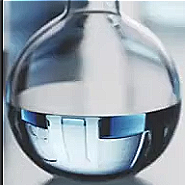
It occurs as a colorless liquid.
What it is used for and where
Cosmetics
Skin conditioning agent. It is the mainstay of topical skin treatment as it has the function of restoring, increasing or improving skin tolerance to external factors, including melanocyte tolerance. The most important function of the conditioning agent is to prevent skin dehydration, but the subject is rather complex and involves emollients and humectants that can be added in the formulation.
Skin conditioning agent - Emollient. Emollients have the characteristic of enhancing the skin barrier through a source of exogenous lipids that adhere to the skin, improving barrier properties by filling gaps in intercorneocyte clusters to improve hydration while protecting against inflammation. In practice, they have the ability to create a barrier that prevents transepidermal water loss. Emollients are described as degreasing or refreshing additives that improve the lipid content of the upper layers of the skin by preventing degreasing and drying of the skin. The problem with emollients is that many have a strong lipophilic character and are identified as occlusive ingredients; they are oily and fatty materials that remain on the skin surface and reduce transepidermal water loss. In cosmetics, emollients and moisturisers are often considered synonymous with humectants and occlusives.
Hair conditioning agent. A significant number of ingredients with specific and targeted purposes may co-exist in hair shampoo formulations: cleansers, conditioners, thickeners, matting agents, sequestering agents, fragrances, preservatives, special additives. However, the indispensable ingredients are the cleansers and conditioners as they are necessary and sufficient for hair cleansing and manageability. The others act as commercial and non-essential auxiliaries such as: appearance, fragrance, colouring, etc. Hair conditioning agents have the task of increasing shine, manageability and volume, and reducing static electricity, especially after treatments such as colouring, ironing, waving, drying and brushing. They are, in practice, dispersants that may contain cationic surfactants, thickeners, emollients, polymers. The typology of hair conditioning agents includes: intensive conditioners, instant conditioners, thickening conditioners, drying conditioners. They can perform their task generally accompanied by other different ingredients.
Commercial applications
Emollient. Isotridecyl Myristate is used in skin care products to soften and smooth the skin.
Skin Conditioning Agent. Used in skin care products to improve the appearance and feel of the skin.
Spreading Agent. Enhances the spreadability of cosmetic products, allowing for better application to the skin.
Solvent. Used in cosmetic formulations to dissolve other ingredients.
Ingredient in Hair Products. Used to condition the hair, making it soft and manageable.
CAS: 88332-30-3 96518-24-0

