



Urtica dioica is a perennial herbaceous plant with urticating hairs, belonging to the Urticaceae family, the common Nettle. It is used in traditional medical medicine to control cardiovascular disorders and is one of the most studied medicinal herbs in scientific literature worldwide.
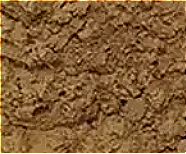
A leaf extract is obtained from this plant and it appears in the form of a brown powder.
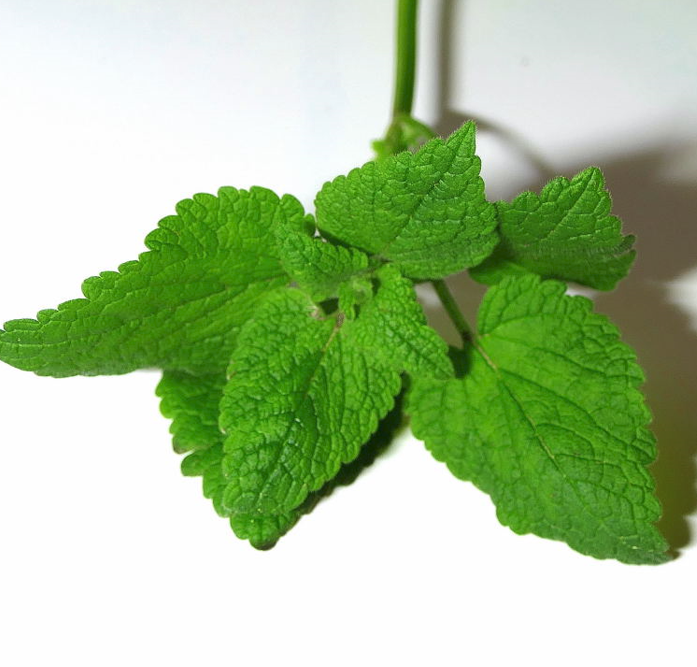
Urtica dioica, commonly known as stinging nettle, is a perennial herbaceous plant belonging to the Urticaceae family. It is widely distributed across Europe, Asia, North America, and other temperate regions. Known for its stinging hairs that release irritant substances upon contact, nettle is highly valued for its nutritional and medicinal properties. Despite its urticating nature, it has long been used in traditional medicine, agriculture, and as a nutritious food source.
Botanical Classification
- Kingdom: Plantae
- Clade: Angiosperms
- Class: Eudicots
- Order: Rosales
- Family: Urticaceae
- Genus: Urtica
- Species: Urtica dioica
Plant Characteristics
- Height: Can grow between 50 cm and 1.5 meters.
- Stem: Erect, quadrangular, and covered with stinging hairs (trichomes).
- Leaves: Opposite, ovate, with serrated edges and trichomes that contain histamine, serotonin, and formic acid.
- Flowers: Small, greenish, grouped in drooping inflorescences. The species is dioecious, meaning there are separate male and female plants.
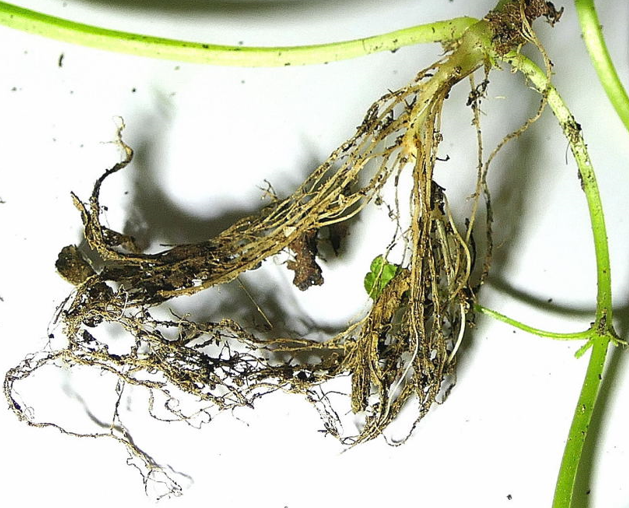
- Roots: Rhizomatous and creeping, allowing rapid growth and expansion.
- Habitat: Prefers moist, nitrogen-rich soils and grows along forest edges, roadsides, and cultivated fields.
Chemical Composition
Nettle is rich in bioactive compounds that contribute to its numerous health benefits:
- Vitamins: High in vitamin A, vitamin C, B-complex vitamins, and vitamin K.
- Minerals: Contains significant amounts of iron, calcium, magnesium, silica, and potassium.
- Proteins: Contains a high percentage of plant proteins, making it a valuable nutritional source.
- Flavonoids: Such as quercetin and rutin, with antioxidant and anti-inflammatory effects.
- Phenolic Acids: Provide antioxidant and antimicrobial properties.
- Phytosterols: Beneficial for cardiovascular health and hormonal balance.
- Irritant Compounds: Histamine, serotonin, and acetylcholine, responsible for the stinging sensation when touched.
How to Cultivate Urtica dioica
Nettle is a hardy plant that grows easily:
- Climate: Thrives in temperate climates and adapts to various environmental conditions.
- Soil: Prefers rich, organic, moist, and well-drained soils.
- Sunlight: Prefers partial shade but also grows well in full sun.
- Watering: Requires moderate watering, avoiding waterlogging.
- Propagation: Propagates via seeds or by dividing rhizomes.
- Harvesting: Young leaves can be harvested in spring and summer, before flowering, for culinary and medicinal use.
Uses and Benefits
Culinary Uses:
- The leaves, once cooked or dried to neutralize their stinging effect, are used in soups, teas, fillings, and casseroles.
- Traditionally consumed in many European cuisines for its high nutritional value.
Medicinal Properties:
- Anti-inflammatory: Used to relieve joint pain, arthritis, and rheumatism.
- Diuretic and detoxifying: Supports kidney function and helps eliminate toxins.
- Immune booster: Thanks to its high vitamin and mineral content.
- Anti-anemic: Its high iron content makes it useful for treating anemia.
- Metabolic regulation: Supports blood sugar control and digestive health.
- Hair tonic: Nettle infusions are traditionally used to strengthen hair and prevent hair loss.
Agricultural and Environmental Uses:
- Natural fertilizer: Nettle macerate is an excellent plant tonic and natural pest repellent.
- Biological pest control: Used as an organic insecticide in agriculture.
Cosmetic Uses:
- Nettle extract is used in shampoos and scalp treatments.
- Applied for oily and acne-prone skin due to its astringent properties.
Applications
Medical:
- Used in teas, extracts, and supplements to support general health.
- Ongoing studies explore its potential in treating benign prostatic hyperplasia (BPH) and metabolic disorders.
Food Industry:
- Added to natural supplements for overall well-being.
- Commonly consumed as soup, infusions, and dried powder.
Agriculture and Gardening:
- Nettle macerate is a natural remedy for healthier and more resilient plants.
Textile Industry:
- Historically, nettle fibers were used to make durable fabrics.
Environmental and Safety Considerations
Environmental Benefits:
- Supports biodiversity by providing habitat and food for pollinators like butterflies and bees.
- Helps improve soil fertility and can be used in land rehabilitation.
Safety:
- Contact with fresh leaves can cause a stinging skin reaction, which usually subsides within hours.
- Excessive consumption may have strong diuretic effects, so moderate intake is recommended.
Studies
Medical
The leaf extract has been reported to prevent some of the effects of prostatic hyperplasia (1) and as an anti-inflammatory for rheumatoid arthritis. It has an anti-diabetic effect and is used for cardiovascular therapy for its bioactive compounds such as polyphenols, tri-terpenes, sterols, flavonoids and lectin that reduce blood glucose levels (2) with their anti-inflammatory, antioxidant, anti-hypertensive properties and can prevent many chronic and degenerative diseases. The efficacy of this edible plant with its stinging hairs has proved useful for its anti-haemorrhagic, analgesic, diuretic, nutritive, anti-asthmatic, astringent and depurative effects.
Phytochemical composition
| Linoleic acid | 20,2% |
| Alfa-linolenic acid | 12,4% |
| Fatty acid C17: 1 | 0,13% |
| Proteins | 3,7% |
| Dietary fibres | 6,4% |
| Calcium | 169 mg/100 g |
| Fe | 277 mg/100 g |
| Carbohydrates | 37,4% |
The fresh leaves are used to treat allergies (3) and contain chlorogenic acid, malic acid, flavonoids such as rutin, quercetin, kaempferol while the root contains lignans, phytosterols, polysaccharides, coumarins.
Cosmetics
Cosmeceutical product for anti-dandruff and anti-hair loss lotions.
Food
The leaves of Urtica dioica are edible and are consumed in foods such as pesto, omelettes, soups, purees, pies, biscuits, jellies, jams, while the whole dried herb is included in teas, infusions and other preparations.
Other uses
Veterinary medical, textile industry
Typical commercial product characteristics Urtica Dioica Leaf Powder
| Appearance | Fine Brown powder |
| Ash | 8.0% |
| As | 1 ppm |
| Cd | 1 ppm |
| Pb | 3 ppm |
| Hg | 0.1 ppm |
| Heavy Metals | 10 ppm |
| Total Plate | 10000fcu/g |
| Storage | Cool Dry Place |
| Shelf Life | 2 Years |
The most relevant studies on the subject have been selected with a summary of their contents:

