



Angelica archangelica, commonly known as garden angelica or wild celery, is a perennial herb from the Apiaceae family, native to northern Europe. Renowned for its aromatic scent and robust stature, it plays a significant role in both culinary and medicinal applications, and is celebrated for its ornamental qualities in gardens.
Botanical Classification
Kingdom: Plantae
Clade: Angiosperms
Class: Eudicots
Order: Apiales
Family: Apiaceae
Genus: Angelica
Species: A. archangelica
Plant Characteristics
Angelica archangelica can grow up to 2 meters tall, featuring large bipinnate leaves and a thick, hollow stem. The plant blooms from late spring to mid-summer, producing large, spherical umbels of greenish or yellowish flowers that attract a variety of pollinators. The entire plant emits a pleasant, earthy fragrance.
Chemical Composition and Structure
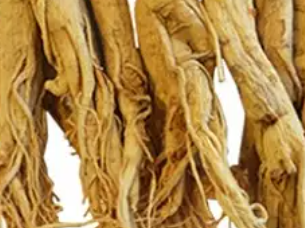
This plant is rich in a variety of essential oils, coumarins, and flavonoids, which contribute to its unique aroma and therapeutic properties. The roots and seeds are particularly valued for their high content of volatile oils like α-pinene and limonene, which have been studied for their digestive and anti-inflammatory properties.
How to Cultivate It
To cultivate Angelica archangelica successfully:
- Soil: Prefers deep, moist, fertile soil.
- Light: Thrives best in partial shade but can tolerate full sun in cooler climates.
- Water: Requires regular watering to keep the soil consistently moist.
- Temperature: Hardy in cooler climates and can tolerate frost. It may require some winter protection in areas with harsh winters.
Uses and Benefits
Angelica archangelica is extensively used in traditional European herbal medicine to treat a variety of ailments such as indigestion, heartburn, and circulation problems. It is also used as a flavoring in liqueurs and food products, and its aromatic qualities make it a popular choice for perfumery and aromatherapy.
Applications
- Medicinal: Used to improve digestion, as a diuretic, and to help treat respiratory and rheumatic conditions.
- Culinary: Leaves and stems are used in cooking for their celery-like flavor, while the roots and seeds are used in the production of spirits and flavor extracts.
- Ornamental: The striking appearance and height of the plant make it a valued addition to garden landscapes, particularly in herb gardens and naturalized areas.
- Cosmetics
INCI Functions:
Skin conditioning agent. It is the mainstay of topical skin treatment as it has the function of restoring, increasing or improving skin tolerance to external factors, including melanocyte tolerance. The most important function of the conditioning agent is to prevent skin dehydration, but the subject is rather complex and involves emollients and humectants that can be added in the formulation.
Environmental and Safety Considerations
Angelica archangelica is generally safe and beneficial for cultivation, with minimal environmental impact. It should be noted, however, that the plant can be phototoxic due to its furanocoumarin content, particularly when fresh. Handling the plant, especially on sunny days, can lead to skin irritation or photosensitivity, so it is advisable to wear gloves and protective clothing. Sustainable cultivation practices are encouraged to maintain the health of the plant and its surrounding ecosystem.
Studies
Medical
Angelica archangelica is an important medicinal plant and its fruits, flowers, stems and roots are used in traditional medical medicine to treat disorders of the respiratory tract, gastrointestinal tract and nervous system. Tannins, saponins, phenolic compounds and flavonoids are found in the root, giving the root extract antioxidant properties, and chemical compounds such as coumarin and decursinol have shown efficacy against mild cognitive decline in elderly subjects (1).
Furthermore, recent studies have also discovered antidepressant activity produced by components such as coumarin, angelicin and bergapten (2).
Angelica archangelica has demonstrated protective effects on collagen degradation in dermal fibroblasts due to UV irradiation (3).
Minerals present include, in order of quantity:
- magnesium
- potassium
- calcium
- phosphorus
Cosmetics
The root extract of this plant has shown efficacy in protecting collagen degradation in dermal fibroblasts and may be considered a promising agent for use against photo-ageing of the skin.
For more information:

