RECENSIONE
Recensione

FCS777 (5359 pt) • 28-Mar-2024 16:08
Rhododendron ferrugineum leaf cell culture extract è l'estratto di coltura cellulare di foglie di Rhododendron ferrugineum ricavato mediante procedimento meccanico e chimico che comprende diverse fasi di lavorazione:
- selezione della materia prima
- macinatura fine con procedimento meccanico
- estrazione con procedimento meccanico
- microconcentrazione con procedimento meccanico
- purificazione con procedimento chimico
- essicazione con procedimento meccanico
- frantumazione con procedimento meccanico
La procedura è completata con un test sul prodotto.
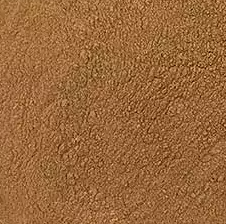
Si presenta in forma di polvere marrone.
A cosa serve e dove si usa
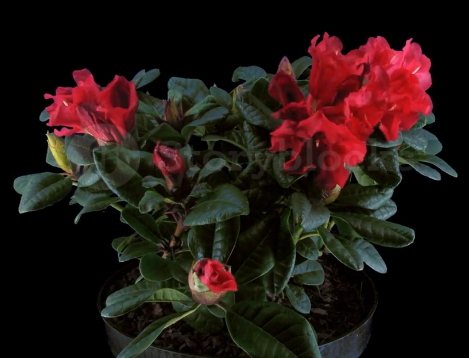
Rhododendron ferrugineum è un arbusto che appartiene alla famiglia delle Ericaceae, distribuito ad alta quota. Nelle foglie sono presenti composti bioattivi come ledol e palustrol.
Cosmetica
Rhododendron ferrugineum leaf cell culture extract si avvale dei composti bioattivi antiossidanti ed antifungini presenti nelle foglie ed in grado di eliminare i radicali cationici.
Agente condizionante della pelle. Rappresenta il perno del trattamento topico della pelle ripristinando, aumentando o migliorando la tolleranza cutanea a fattori esterni, compresa la tolleranza dei melanociti. La funzione più importante dell'agente condizionante è prevenire la disidratazione della pelle, ma il tema è piuttosto complesso e coinvolge emollienti ed umettanti.
Medicina
Anche in medicina, Rhododendron ferrugineum ha mostrato interessanti attività: un estratto acquoso dalle parti aeree arricchito di polifenoli ha abolito l'ingresso del virus herpes simplex (1). Altri studi ne hanno confermato le attività antiossidanti e antimicrobiche (2).
CAS 90106-21-1
EC number 290-243-0
Per approfondimenti:
Rhododendron ferrugineum studi
Bibliografia______________________________________________________________________
(1) Gescher K, Kühn J, Hafezi W, Louis A, Derksen A, Deters A, Lorentzen E, Hensel A. Inhibition of viral adsorption and penetration by an aqueous extract from Rhododendron ferrugineum L. as antiviral principle against herpes simplex virus type-1. Fitoterapia. 2011 Apr;82(3):408-13. doi: 10.1016/j.fitote.2010.11.022.
(2) Rezk A, Al-Hashimi A, John W, Schepker H, Ullrich MS, Brix K. Assessment of cytotoxicity exerted by leaf extracts from plants of the genus Rhododendron towards epidermal keratinocytes and intestine epithelial cells. BMC Complement Altern Med. 2015 Oct 15;15:364. doi: 10.1186/s12906-015-0860-8.
Abstract. Background: Rhododendron leaf extracts were previously found to exert antimicrobial activities against a range of Gram-positive bacteria. In this study, we investigated which of the extracts with these antimicrobial properties would be best suited for further exploitation. Specifically, the project aims to identify biologically active compounds that affect bacterial but not mammalian cells when applied in medical treatments such as lotions for ectopic application onto skin, or as orally administered drugs. Conclusions: We conclude that leaf extracts from highly potent antimicrobial R. minus and R. racemosum are safe to use at 50 μg/mL in 24-h incubations with HaCaT keratinocytes and IEC6 intestine epithelial cells in monolayer cultures. Extracts from R. rubiginosum as well as R. concinnum or R. ferrugineum are applicable to either keratinocytes or intestinal epithelial cells, respectively. Beyond the scope of the current study, further experiments are required to identify the specific compounds contained in those Rhododendron leaf extracts that exert antimicrobial activity while being non-cytotoxic when applied onto human skin or gastrointestinal tract mucosa. Thus, this study supports the notion that detailed phytochemical profiling and compound identification is needed for characterization of the leaf extracts from specific Rhododendron species in order to exploit their components as supplementary agents in antimicrobial phyto-medical treatments.




