



PEG-100 Stearate is a chemical compound, an ester of stearic acid and polyethylene glycol.
The name describes the structure of the molecule:
- PEG - Stands for "Polyethylene Glycol". Indicates that the molecule is a derivative of polyethylene glycol, a water-soluble synthetic polymer.
- 100 - This number indicates the approximate molecular weight of the polyethylene glycol used, corresponding to about 100 repeating units of the monomer.
- Stearate - Derived from the word "stearic." It indicates that the molecule is a salt or ester of stearic acid, a saturated fatty acid.
Description of the raw materials used in its production:
- Polyethylene Glycol (PEG) - Polyethylene glycols are polymers of ethylene glycol. They are obtained through the polymerization of ethylene oxide. The number following the PEG prefix (as in the case of PEG-100) indicates the average molecular weight of the polymer.
- Stearic Acid - Stearic acid is a long-chain fatty acid. It is a natural component of vegetable and animal fats and is often obtained from vegetable sources such as palm oil or coconut oil.
Industrial chemical synthesis step-by-step:
- Esterification - Stearic acid and polyethylene glycols are melted together in the presence of a catalyst, such as potassium hydroxide (KOH), to form the PEG-100 Stearate ester. During this reaction, the hydroxyl group (-OH) of the polyethylene glycol reacts with the stearic acid to form the ester.
- Purification - The product obtained from the esterification reaction is purified to remove any impurities and by-products. This can be done through processes such as filtration, washing, or distillation.
- Drying and Packaging - The purified PEG-100 Stearate is dried to remove any residual moisture and then packaged for distribution and use in the cosmetic industry.
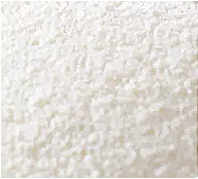
It appears in the form of a white or yellowish powder.
What it is used for and where
Cosmetics
Surfactant - Cleansing agent. Cosmetic products used to cleanse the skin utilise the surface-active action that produces a lowering of the surface tension of the stratum corneum, facilitating the removal of dirt and impurities.
It functions also as an emollient, non-ionic dispersing emulsifier. Emulsifiers have the property of directly influencing the stability, sensory properties and surface tension of sunscreens, modulating their filmometric performance.
Pharmaceuticals
As a pharmaceutical solvent enhancement.
Other uses
Used in industrial cleaning and textile washing. In chemical fibres it can improve fibre softness. Paper chemicals, auxiliary agents for plastics.
Safety
There is a lot of literature on PEGs that has addressed, discussed and drawn conclusions on their possible toxicity, but PEGs differ widely, as do the production techniques and the impurities present in the final products. PEG-100 Stearate does not have high penetration power into the skin and therefore no serious toxicity problems have been detected so far.
Typical commercial product characteristics PEG-100 Stearate
| Appearance | White to yellowish powder |
| pH | 5 - 7 sol. 5% |
| Boiling Point | 438.4±18.0 °C at 760 mmHg |
| Melting Point | 47°C |
| Decomposition | >200°C |
| Density | 0.9±0.1 g/cm3 |
| Flash Point | 164.6±14.0°C |
| Vapor Pressure | 0.0±2.4 mmHg at 25°C |
| Refraction Index | 1.457 |
| PSA | 46.53000 |
| LogP | 7.85 |
| Loss on Drying | ≤5.0% |
| Ash | ≤5.0% |
| Heavy metals | NMT 10ppm |
| Arsenic | NMT 2ppm |
| Cadmium | NMT 2ppm |
| Lead | NMT 2ppm |
| Mercury | NMT 2ppm |
| Total Plate | 10,000cfu/g Max |
| Yeast & Mold | 1,000cfu/g Max |
| Safety | 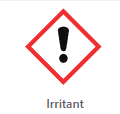 |
 |  |
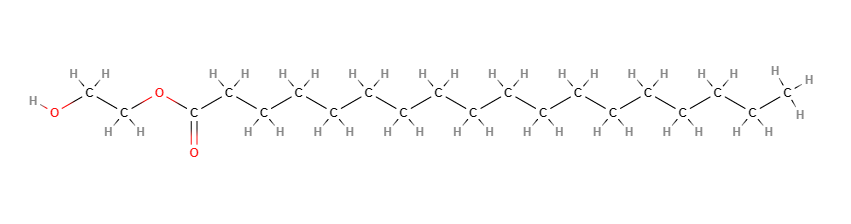 | 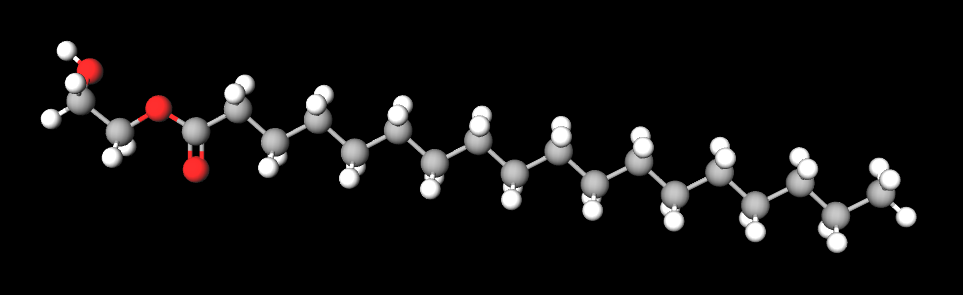 |
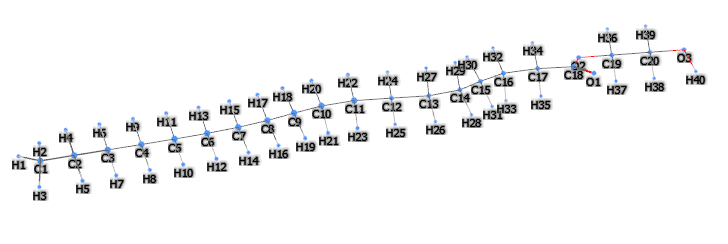
- Molecular Formula C20H40O3
- Molecular Weight 328.5
- Exact Mass 328.297760
- CAS 9004-99-3 111-60-4
- UNII 0324G66D0E
- EC Number 618-405-1 203-886-9
- DSSTox Substance ID DTXSID5026881 DTXSID6027715 DTXSID501014774
- IUPAC 2-hydroxyethyl octadecanoate
- InChl=1S/C20H40O3/c1-2-3-4-5-6-7-8-9-10-11-12-13-14-15-16-17-20(22)23-19-18-21/h21H,2-19H2,1H3
- InChl Key RFVNOJDQRGSOEL-UHFFFAOYSA-N
- SMILES CCCCCCCCCCCCCCCCCC(=O)OCCO
- MDL number MFCD00148007
- PubChem Substance ID
- ChEBI 32027 167626
- RTECS TQ5950000 TQ5600000
- NACRES NA.24
- NSC 31811
- RXCUI 1426255
Synonyms
- Polyoxyl 100 stearate
- Polyoxyethylene stearate
- Ethylene glycol, monostearate
- 2-hydroxyethyl octadecanoate
- Stearic acid, 2-hydroxyethyl ester
____________________________
Premise on PEG.
Since the PEG (1) family is numerous and is found in many cosmetic, cleaning and medicinal products and others, we need a cognitive premise on the subject that is rather complex from the point of view of safety because these products not only come into contact with the skin but, as in the case of medicine, they are also ingested.
PEG or polyethylene glycols polymerise the condensed ethylene oxide and water and are called polyethylene glycols, but in reality, they are complex chemical components, polymers bound together. For example, plastic is polyethylene and has a hard consistency, while polyethylene aggregated to the glycol forms a liquid.
The number that appears after the initials PEG represents the molecular weight and the higher this number is, the less it penetrates the skin.
Here below are some studies in Medicine that refer to the use of PEG Polyethylene glycol in various fields.
Intestine
Polyethylene glycol with or without electrolytes is effective for the treatment of functional constipation, both in adults and in paediatric patients, with great safety and tolerability. These preparations are the most effective osmotic laxatives (more than lactulose) and are the first-line treatment for functional constipation in the short- and long-term. They are as effective as enemas in faecalomas, avoid the need for hospitalisation and are well tolerated by patients (especially when given without electrolytes) (2).
In the preparation for colonoscopy, polyethylene glycol tablets confirmed efficacy, acceptability, tolerance and safety similar to those of sodium phosphate (3).
For peripheral nerve repair (4).
Eyes
Dry eye syndrome is a disorder that affects 5-34% of the world's adult population with reduced quality of life. Artificial or lubricating tears are the most used therapy for treating this condition due to their low side effects profile, which attempt to modify the properties of the tear film. Polyethylene glycol has demonstrated clinical efficacy in the treatment of this condition (5).
Brain
Polyethylene glycol facilitates the neuroprotective effects of magnesium in head injuries (6).
Tumors
For transarterial chemoembolization, Polyethylene glycol is effective and safe for the treatment of liver cancer, as indicated by good tolerability, quality of life and high tumour response (7).
Cosmetics
Many types of PEG are hydrophilic and are used as creams, topical dermatological preparations and in cosmetic products such as surfactants, emulsifiers, detergents, humectants and skin conditioners.
Safety varies from type to type given the structural complexity (8).

