



Lemon (Citrus limon), originates from the evergreen perennial tree belonging to the Rutaceae family, probably had its origins in Southeast Asia and was imported into the Mediterranean regions around 300 BC.
Most common species:
- Citrus Aurantifolia
- Citrus Limon
- Citrus Limon
- Medical Citrus
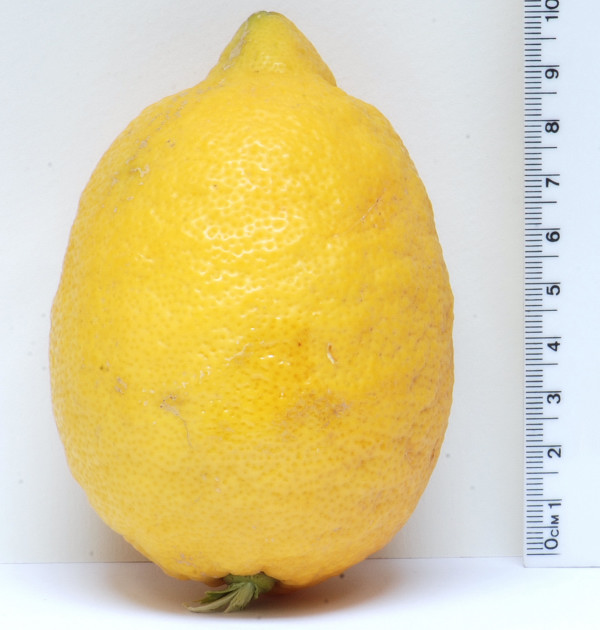
The chemical composition of the lemon includes mainly citric acid and limonene. Citric acid in lemon juice is useful in the medical management of calcium urolithiasis.
Lemon juice contains flavonoids, which are extremely useful components for the immune defense of the human body and therefore to combat degenerative diseases such as cancer. In particular, Rutin, Quercetin, Neoeriocitrin (1).
It also contains a large amount of vitamin C, one of the most important antioxidants found in nature and an element of contrast to free radicals that are the cause of aging and many diseases related to the oxidation process of cells. However, the fruit that contains the highest amount of vitamin C is the kiwi.
A lemon juice, you know is a remedy against colds and flu and cooling diseases.
It also acts as a protector against rheumatoid arthritis.
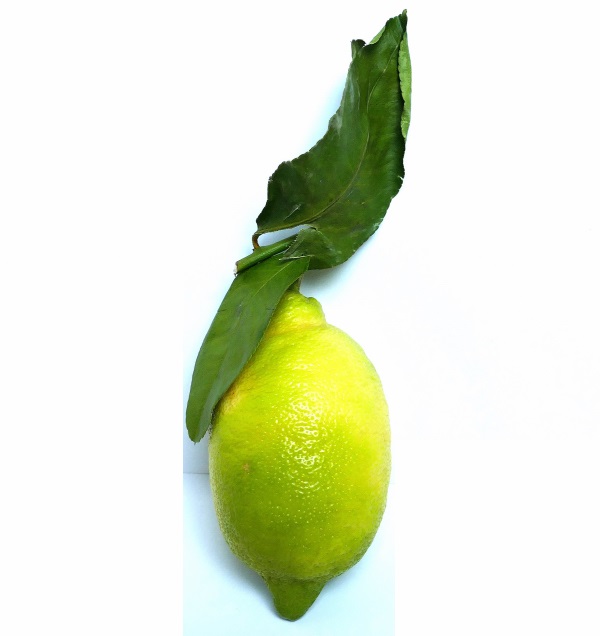
Thin-skinned lemons are preferable as they have more juice.
The lemon have been recognized by scientific studies antimicrobial activity both in the form of nanoemulsions in essential oil and in the form of pure essential oil juice (2).
Among the various phenolic components present in lemon peel, Eriocitrin, for its anti-aging properties, has been the subject of specific studies in rats (3).

Lemon extract has also demonstrated antimicrobial activity against bacteria such as Pseudomonas aeruginosa and Klebsiella pneumoniae (4).

