



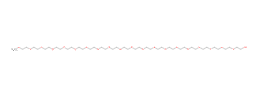
Cetomacrogol 1000 is a chemical compound, polyethylene glycol hexadecyl ether,
The name describes the structure of the molecule:
- Cetomacrogol is a non-ionic surfactant used in cosmetics and pharmaceuticals. Surfactants are compounds that reduce the surface tension between two liquids or between a liquid and a solid. In the context of personal care products, surfactants help to clean the skin and hair by helping the water to mix with oil and dirt so that they can be rinsed.
- 1000. This number typically refers to the average molecular weight of the polyethylene glycol (PEG) portion of the molecule. In this case, it suggests that the PEG portion of the molecule has an average molecular weight of 1000.
The synthesis process takes place in different steps:
- Preparation. Cetyl alcohol is a fatty alcohol that can be derived from natural sources such as coconut or palm oil, or can be synthesized from oil.
- Polyoxyethylation. Cetyl alcohol is reacted with ethylene oxide in a process known as polyoxyethylation. This process attaches Polyoxyethylene chains to cetyl alcohol, increasing its solubility in water and improving its surfactant properties. The number "1000" in Cetomacrogol 1000 refers to the average molecular weight of the Polyoxyethylene portion of the molecule.
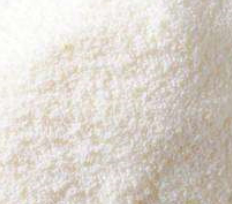
Cetomacrogol 1000 appears as a white powder or white flakes or as a yellowish transparent liquid.
What it is used for and where
Cetomacrogol 1000 is a surfactant that is often used in cosmetics and pharmaceuticals for its ability to help water mix with oil and dirt, making it easier to clean skin and hair. The "1000" refers to the average molecular weight of the PEG portion of the molecule.
Pharmaceutical
An excipient in tablets and other pharmaceutical products as a solubiliser and emulsifier used in various topical formulations including ointments to combat Staphylococcus aureus. However, studies have found that in episodes of bacterial colonisation/infection of the skin, creams with Softisan and hypromellose as a gel performed better than Softisan with Cetomacrogol (1).
Solubiliser for poorly soluble drugs. Topical use: 0.5-5%.
Cosmetics
Solubilising and emulsifying agent for perfumes, essences, aromas. Primary decontaminating component for laundry detergents, shower gels.
Other uses
- Solubiliser for vitamin oils and essential oils.
- Biochemical research. Used to increase protein solubility and reduce column blockage in nucleic acid extraction.
- Pulp permeation agent for papermaking
Studies
Cetomacrogol 1000 is produced industrially by the condensation of cetyl alcohol with ethylene oxide. With particular regard to ethylene oxide, in December 2018 the US Environmental Protection Agency (EPA) published an update on the safety assessment warning about the hazardous nature of exposure to this chemical compound which can cause, with short-term exposure, depression of the central nervous system and irritation of the eyes and mucous membranes and, with long-term exposure, irritation of the eyes, skin, nose, throat and lungs and damage to the brain and nervous system. The EPA has concluded that exposure to ethylene oxide increases the risk of lymphoid cancer and, for females, breast cancer (1). It should therefore be assessed whether there are any real risks to human health in the condensation process that results in the chemical compound Cetomacrogol 1000. Cetyl alcohol (hexadecan-1-ol) is a long-chain fatty alcohol used as a stabiliser in the production of Cetomacrogol 1000. No manufacturer appears to provide this information on the label, at least as of the date of this review.
Typical commercial product characteristics Polyethylene Glycol Monocetyl Ether
| Appearance | White powder or White flake |
| Assay | 96% min |
| Acid value | ≤0.02% mgKOH/g |
| Boiling Point | 926.7±60.0°C at 760 mmHg 35.4-39.6°C |
| Melting Point | 41-49ºC |
| Flash Point | 514.2±32.9 °C |
| Density | 1.0±0.1 g/cm3 0.978 g/mL at 25 °C(lit.) |
| PSA | 204.83000 |
| LogP | 0.37 |
| Index of Refraction | 1.465 n20/D 1.466(lit.) |
| Vapor Pressure | 0.0±0.6 mmHg at 25°C |
| Saponification value | 45-60 (mgKOH/g) |
| Relative viscosity | 1.2-1.5 |
| Heavy metals | ≤10 ppm |
| Residue on ignition | ≤0.1% |
| Impurities | ≤0.5% |
| Shelf life | 2 Years |
| Storage condition | -20°C |
| Safety | 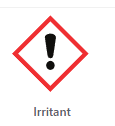 |
 |  |
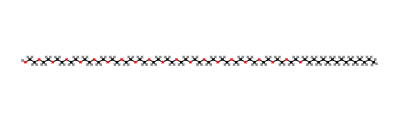 | 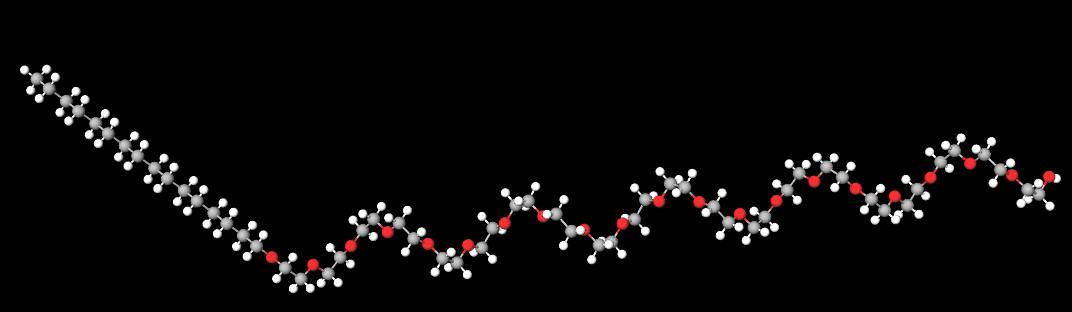 |
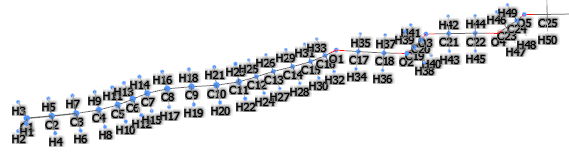
- Molecular Formula C56H114O21 (C16H33[−OCH2–CH2]nOH) (C2H4O)nC16H34O
- Molecular Weight 1123.5
- Exact Mass 1122.785278
- CAS 9004-95-9
- UNII
- EC Number 500-014-1
- DSSTox Substance ID DTXSID60858847
- IUPAC 2-[2-[2-[2-[2-[2-[2-[2-[2-[2-[2-[2-[2-[2-[2-[2-[2-[2-[2-(2-hexadecoxyethoxy)ethoxy]ethoxy]ethoxy]ethoxy]ethoxy]ethoxy]ethoxy]ethoxy]ethoxy]ethoxy]ethoxy]ethoxy]ethoxy]ethoxy]ethoxy]ethoxy]ethoxy]ethoxy]ethanol
- InChI=1S/C56H114O21/c1-2-3-4-5-6-7-8-9-10-11-12-13-14-15-17-58-19-21-60-23-25-62-27-29-64-31-33-66-35-37-68-39-41-70-43-45-72-47-49-74-51-53-76-55-56-77-54-52-75-50-48-73-46-44-71-42-40-69-38-36-67-34-32-65-30-28-63-26-24-61-22-20-59-18-16-57/h57H,2-56H2,1H3
- InChl Key NLMKTBGFQGKQEV-UHFFFAOYSA-N
- SMILES CCCCCCCCCCCCCCCCOCCOCCOCCOCCOCCOCCOCCOCCOCCOCCOCCOCCOCCOCCOCCOCCOCCOCCOCCOCCO
- MDL number
- PubChem Substance ID
- RTECS TR1581470
Synonyms
- Poly(oxy-1,2-ethanediyl), alpha-hexadecyl-omega-hydroxy-
- poe (20) isohexadecyl ether
- Polyethylene glycols monohexadecyl ether
- Polyethylene Glycol Monocetyl Ether

