REVIEW
Review

FCS777 (5359 pt) • 2026-Jan-30 19:08
Artichoke – technical food ingredient sheet
(From Cynara scolymus, family Asteraceae)
Description
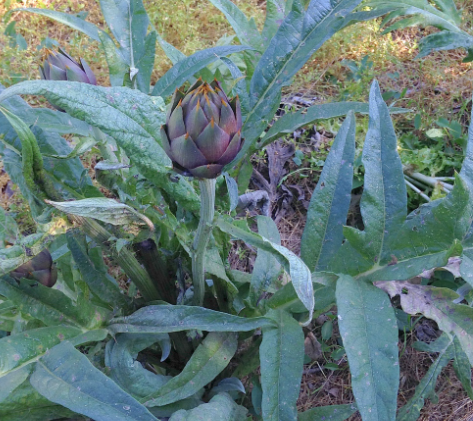
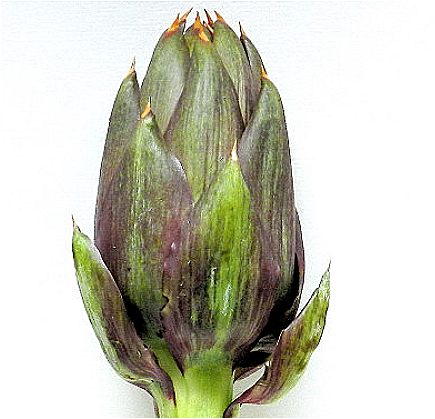
Artichoke is the immature flower head (capitulum) of Cynara scolymus, a perennial plant of the Asteraceae family.
It is characterised by fleshy bracts, a tender heart, and a typical slightly bitter, aromatic taste due to phenolic compounds.
It is consumed fresh, cooked, canned (in brine or oil), frozen, dried, and used as a functional ingredient in various foods and dietary supplements.
Botanical classification (APG IV)
Modern clades (phylogenetic):
Angiosperms
Eudicots
Asterids
Domain: Eukaryota
Kingdom: Plantae
Cultivation and growth conditions
Climate
Artichoke prefers temperate climates, with mild winters and warm, not excessively dry summers. It is sensitive to severe and prolonged frosts, which can damage buds and the root system. Optimal conditions include moderate atmospheric humidity, relatively mild winters, and the absence of strong, repeated thermal shocks.
Exposure
The crop requires full sun to ensure proper vegetative development and the formation of flower heads (capitula). Well-ventilated sites, but not overly exposed to strong winds, help maintain sturdy plants and reduce the incidence of diseases.
Soil
Artichoke adapts to various soil types, provided they are well drained. It prefers loam or loam-sandy soils with good organic matter content and a slightly acidic to neutral pH. Waterlogging and compact soils should be avoided, as they hinder root development and favour root and crown rots.
Irrigation
Regular irrigation is necessary, especially in dry periods and during the stages of shoot emission and head formation. Soil moisture should be kept relatively constant but not excessive: both drought stress and waterlogging reduce yield and quality and may trigger physiological disorders or root diseases.
Temperature
Temperatures above about 12–14 °C favour vegetative regrowth and development. Persistently low temperatures slow growth and may damage tissues. High temperatures combined with prolonged drought reduce the number and size of the heads and can shorten the productive period.
Fertilization
Fertilization is planned according to soil analysis and yield targets:
Nitrogen (N): Supports vegetative growth and head production; excesses should be avoided to limit lodging and excessive softness of tissues.
Phosphorus (P): Promotes root development and plant robustness.
Potassium (K): Supports general physiology, quality, and tolerance to abiotic stress.
Organic amendments (manure, compost) improve soil structure, water-holding capacity, and long-term fertility, with positive effects on stand longevity.
Crop care
Weed control: Essential in the early stages, when artichoke competes poorly with weeds.
Thinning / shoot management: Removal of excess shoots (suckers) to concentrate resources on a limited number of stems and heads, improving commercial quality.
Plant health management: Regular monitoring for insect pests and fungal diseases; good agronomic practices, adequate ventilation of the canopy and balanced nutrition are key preventive measures.
Harvest
Harvesting takes place when the heads are fully formed but still compact, before the bracts start to open. Cuts should be clean, leaving a suitable portion of stem. Timely and continuous harvesting improves both yield and commercial quality.
Propagation
By “offshoots” or suckers: The most common method. Suckers are selected from healthy, productive mother plants and transplanted into new fields.
Division of clumps: Used for renewing old stands or propagating material on farm.
From seed: Less frequent for commercial production, mainly used in breeding programmes and for the development of new varieties or hybrid cultivars.
Indicative nutritional values per 100 g
(cooked, edible portion)
Energy: 45–55 kcal
Carbohydrates: 10–12 g
sugars: 0.5–1 g
starch: negligible
Fibre: 4–6 g
Protein: 2.5–3.5 g
Lipids: 0.2–0.4 g
Vitamins: folate, vitamin C, vitamin K; small amounts of B1, B3, B6
Minerals: potassium, magnesium, phosphorus, small amounts of calcium and iron
Values vary with variety, part used and cooking method.
Key constituents
Cynarin (1,5-dicaffeoylquinic acid)
Phenolic acids (chlorogenic, caffeic)
Flavonoids (luteolin, apigenin derivatives)
Inulin (prebiotic fibre typical of Asteraceae)
Minerals: K, Mg, Ca, P
Vitamins: B-group, vitamin C, vitamin K
Minor carotenoids
Production process
(fresh and processed artichokes)
Cultivation and harvest
heads harvested at the immature bud stage;
selection of suitable varieties (e.g. globe types, violet types).
Sorting and trimming
Anti-browning treatment
Further processing
Fresh: packaging in trays or MAP (modified atmosphere packaging);
Canned in brine: blanching, filling with brine, acidification, pasteurisation/sterilisation;
In oil: pre-cooking, acidification, filling with oil, pasteurisation;
Frozen: blanching, cooling, IQF freezing;
Dried: hot-air drying or freeze-drying for powders and extracts.
Packaging
All steps under GMP/HACCP with controls on pH, water activity, contaminants and microbiology.
Physical properties
Appearance: compact flower heads with fleshy bracts; green to green-violet colour.
Texture: crisp when raw, tender and slightly fibrous when cooked.
Moisture: approx. 80–85% in fresh edible portion.
Unit weight: highly variable (approx. 60–250 g per head, depending on variety and trimming).
Sensory and technological properties
Flavour: aromatic, slightly bitter, herbaceous.
Aroma: fresh, green, vegetable.
Colour: green/violet; prone to browning due to enzymatic oxidation if not acidified.
Technological behaviour:
high inulin content supports creamy textures in purées and soups,
distinctive flavour suitable for fillings, sauces, spreads,
good stability upon cooking,
readily absorbs flavours in marinated and oil-preserved products.
Food applications
Fresh or cooked: steamed, grilled, sautéed, fried, stuffed.
Canned products: artichokes in brine, marinated artichokes, artichokes in oil.
Ready meals: pizza toppings, pasta sauces, mixed vegetables, side dishes.
Industrial ingredients:
artichoke purées and concentrates for fillings, sauces and ready meals,
powders and extracts for soups, sauces and nutritional products.
Functional foods: as a source of inulin and phenolic compounds in fibre-enriched or “detox” style products.
Nutrition & health
Source of dietary fibre, particularly inulin, which has prebiotic functionality when part of a balanced diet.
Contains phenolic compounds (cynarin, chlorogenic acid) with antioxidant activity and characteristic bitter notes.
Low in energy and almost fat-free, suitable for low-calorie and plant-based diets.
Provides folate, potassium and vitamin K.
Inulin and fermentable fibres may cause digestive discomfort in individuals sensitive to FODMAPs.
Portion note
Typical serving of cooked artichoke: 80–120 g edible portion.
Artichokes in oil: 40–60 g per serving, with higher caloric value due to oil.
Allergens & intolerances
Artichoke is not a major allergen in most regulations.
Possible reactions in individuals allergic to Asteraceae family plants.
Inulin and other fermentable carbohydrates may trigger symptoms in FODMAP-sensitive individuals.
In processed forms, check for added allergens (e.g. sulphites as antioxidants, milk or other ingredients in recipes).
Storage & shelf-life
Safety & regulatory
Control requirements for:
pesticide residues,
heavy metals (depending on irrigation and soil),
microbiological safety in canned and marinated products,
pH and acidification for low-acid preserved foods (e.g. artichokes in oil → pH typically <4.2).
Application of GMP/HACCP throughout the chain.
For artichokes in oil, sufficient acidification is critical to minimise risk from Clostridium botulinum.
Labeling
Typical designations:
“artichokes”,
“artichokes in brine”,
“artichokes in oil”,
“artichoke hearts”.
In compound foods, listed in descending order of weight.
Must declare any antioxidants (e.g. citric acid, ascorbic acid), acidifying agents, oils, herbs/spices and any allergens.
Troubleshooting
Rapid browning:
Excessively fibrous texture:
Rancidity in oil-preserved products:
Metallic off-flavours in canned products:
Sustainability & supply chain
Mediterranean-type crop, generally well adapted to local climates.
Main environmental aspects:
irrigation water use,
plant protection product use,
management of plant residues (leaves, stems).
Potential improvements via:
targeted irrigation,
integrated or organic pest management,
valorisation of by-products (leaves, stems) for compost, feed or bioenergy.
Processing plants must manage washing water and effluents, often monitored by BOD/COD indicators.
Main INCI functions (cosmetics)
(as “Cynara Scolymus Leaf Extract”, “Cynara Scolymus Extract”)
Conclusion
Artichoke is a nutritious, aromatic and versatile vegetable ingredient, appreciated both fresh and processed.
Its inulin-rich fibre profile and characteristic phenolic compounds make it attractive for traditional gastronomy, convenience foods and functional formulations.
Within well-managed supply chains operating under GMP/HACCP, artichoke offers a safe, stable and high-quality ingredient for food manufacturers, foodservice and consumer products.
Mini-glossary
SFA – Saturated fatty acids: fats that should be moderated in the diet; in artichokes they are almost negligible.
MUFA – Monounsaturated fatty acids: present only in traces in artichokes.
PUFA – Polyunsaturated fatty acids: present in traces.
TFA – Trans fatty acids: not naturally present in artichokes.
GMP/HACCP – Good Manufacturing Practices / Hazard Analysis and Critical Control Points, food safety and quality management systems.
BOD/COD – Biological / Chemical Oxygen Demand, indicators of the environmental impact of industrial wastewater.
Inulin – A prebiotic fibre typical of Asteraceae, fermented by gut microbiota and potentially beneficial within a balanced diet.
Studies
Its predominant use is culinary, but it is widely used in the medical field. In fact, phytonutrients are extracted from its leaves and roots:
- stimulate bile flow from the liver (1)
- reduce heartburn
- counter-cholesterol harmful LDL (2)
- counteract colon irritability
- reduce bladder infections
- reduce nausea
Its polyphenol content, exerts an antioxidant activity (3) and also chlorogenic acid, luteolin, apigenine, cinary, coffee acid derivatives, flavonoids (4) and polyphenols help improve the integrity and functionality of endothelial cells.
Artichoke studies
References______________________________________________________________________
(1) Gebhardt R. Prevention of taurolithocholate-induced hepatic bile canalicular distortions by HPLC-characterized extracts of artichoke (Cynara scolymus) leaves. Planta Med. 2002 Sep;68(9):776-9.
Abstract. The effects of water-soluble extracts of artichoke (Cynara scolymus L.) leaves on taurolithocholate-induced cholestatic bile canalicular membrane distortions were studied in primary cultured rat hepatocytes using electron microscopy. Artichoke extracts at concentrations between 0.08 and 0.5 mg/ml were able to prevent the formation of bizarre canalicular membrane transformations in a dose-dependent manner when added simultaneously with the bile acid. However, prevention also occurred when the hepatocytes were preincubated with the extracts, indicating that absorption of the bile acid to components of the extracts was not involved. These results demonstrate that artichoke leaf extracts exert a potent anticholestatic action at least in the case of taurolithocholate. This effect may contribute to the overall hepatoprotective influence of this herbal formulation.
(2) Rondanelli M, Giacosa A, Opizzi A, Faliva MA, Sala P, Perna S, Riva A, Morazzoni P, Bombardelli E. Beneficial effects of artichoke leaf extract supplementation on increasing HDL-cholesterol in subjects with primary mild hypercholesterolaemia: a double-blind, randomized, placebo-controlled trial. Int J Food Sci Nutr. 2013 Feb;64(1):7-15. doi: 10.3109/09637486.2012.700920.
Abstract. The aim of this study was to evaluate the effects of artichoke leaf extract (ALE) supplementation (250 mg, 2 b.i.d.) on the lipid pattern. A randomized, double-blind, placebo-controlled clinical trial was performed on 92 overweight subjects with primary mild hypercholesterolaemia for 8 weeks. Forty-six subjects were randomized to supplementation (age: 54.2 ± 6.6 years, body mass index (BMI): 25.8 ± 3.9 kg/m(2), male/female: 20/26) and 46 subjects to placebo (age: 53.8 ± 9.0 years, BMI: 24.8 ± 1.6 kg/m(2), male/female: 21/25). Verum supplementation was associated with a significant increase in mean high-density lipoprotein (HDL)-cholesterol (p < 0.001) and in mean change in HDL-cholesterol (HDL-C) (p = 0.004). A significantly decreased difference was also found for the mean change in total cholesterol (p = 0.033), low-density lipoprotein (LDL)-cholesterol (p < 0.001), total cholesterol/HDL ratio (p < 0.001) and LDL/HDL ratio (p < 0.001), when verum and placebo treatment were compared. These results indicate that ALE could play a relevant role in the management of mild hypercholesterolaemia, favouring in particular the increase in HDL-C, besides decreasing total cholesterol and LDL-cholesterol.
(3) Gebhardt R Antioxidative and protective properties of extracts from leaves of the artichoke (Cynara scolymus L.) against hydroperoxide-induced oxidative stress in cultured rat hepatocytes. Toxicol Appl Pharmacol. 1997 Jun; 144(2):279-86.
Abstract. Primary rat hepatocyte cultures exposed to tert-butylhydroperoxide (t-BHP) or cumene hydroperoxide were used to assess the antioxidative and protective potential of water-soluble extracts of artichoke leaves. Both hydroperoxides stimulated the production of malondialdehyde (MDA), particularly when the cells were pretreated with diethylmaleate (DEM) in order to diminish the level of cellular glutathione (GSH). Addition of artichoke extracts did not affect basal MDA production, but prevented the hydroperoxide-induced increase of MDA formation in a concentration-dependent manner when presented simultaneously or prior to the peroxides. The effective concentrations (down to 0.001 mg/ml) were well below the cytotoxic levels of the extracts which started above 1 mg/ml. The protective potential assessed by the LDH leakage assay and the MTT assay closely paralleled the reduction in MDA production and largely prevented hepatocyte necrosis induced by the hydroperoxides. The artichoke extracts did not affect the cellular level of glutathione (GSH), but diminished the loss of total GSH and the cellular leakage of GSSG resulting from exposure to t-BHP. Chlorogenic acid and cynarin accounted for only part of the antioxidative principle of the extracts which was resistant against tryptic digestion, boiling, acidification, and other treatments, but was slightly sensitive to alkalinization. These results demonstrate that artichoke extracts have a marked antioxidative and protective potential. Primary hepatocyte cultures seem suitable for identifying the constituents responsible for these effects and for elucidating their possible mode of action.
(4) Tang X, Wei R, Deng A, Lei T Protective Effects of Ethanolic Extracts from Artichoke, an Edible Herbal Medicine, against Acute Alcohol-Induced Liver Injury in Mice. Nutrients. 2017 Sep 11; 9(9):.
Abstract. Oxidative stress and inflammation are well-documented pathological factors in alcoholic liver disease (ALD). Artichoke (Cynara scolymus L.) is a healthy food and folk medicine with anti-oxidative and anti-inflammatory properties. This study aimed to evaluate the preventive effects of ethanolic extract from artichoke against acute alcohol-induced liver injury in mice. Male Institute of Cancer Research mice were treated with an ethanolic extract of artichoke (0.4, 0.8, and 1.6 g/kg body weight) by gavage once daily. Up to 40% alcohol (12 mL/kg body weight) was administered orally 1 h after artichoke treatment. All mice were fed for 10 consecutive days. Results showed that artichoke extract significantly prevented elevated levels of aspartate aminotransferase, alanine aminotransferase, triglyceride, total cholesterol, and malondialdehyde. Meanwhile, the decreased levels of superoxide dismutase and glutathione were elevated by artichoke administration. Histopathological examination showed that artichoke attenuated degeneration, inflammatory infiltration and necrosis of hepatocytes. Immunohistochemical analysis revealed that expression levels of toll-like receptor (TLR) 4 and nuclear factor-kappa B (NF-κB) in liver tissues were significantly suppressed by artichoke treatment. Results obtained demonstrated that artichoke extract exhibited significant preventive protective effect against acute alcohol-induced liver injury. This finding is mainly attributed to its ability to attenuate oxidative stress and suppress the TLR4/NF-κB inflammatory pathway. To the best of our knowledge, the underlying mechanisms of artichoke on acute ALD have been rarely reported.