



Grass pea (Lathyrus sativus L.)
Description
Grass pea, botanically known as Lathyrus sativus L. and often referred to internationally as grass pea or chickling pea, is a traditional cool-season legume cultivated for centuries in parts of the Mediterranean, Asia and Africa. It is a very hardy annual crop, able to grow in poor soils, withstand drought, and produce yields even under conditions where other crops fail. This resilience has made cicerchia historically important as a “survival food” in periods of famine.
The plant produces angular, somewhat flattened seeds of medium–small size, with a colour range from pale grey to beige and light brown. In the kitchen, cicerchia is appreciated for its full, robust flavour, with a slightly nutty character and a pleasantly rustic profile. Nutritionally, it is rich in plant proteins, complex carbohydrates and fibre. At the same time, the seeds naturally contain β-ODAP (β-N-oxalyl-L-α,β-diaminopropionic acid), a non-protein amino acid that, under conditions of very high and prolonged consumption in nutritionally poor diets, has been associated with neurolathyrism, a non-progressive motor neuron disorder.
Modern breeding programmes, together with appropriate food processing (soaking, boiling, discarding soaking water and cooking water, use in mixed diets), have significantly reduced the practical risk, so that cicerchia can be considered a safe legume when consumed in moderation and prepared correctly.
The best-known species are:
- Lathyrus sativus L.
- Lathyrus cicera L.
- Lathyrus odoratus L.
It is a hardy and versatile crop with excellent tolerance to abiotic stresses, excellent adaptability to difficult climatic conditions such as drought, flooding, intense cold, excessive heat, resistance to salt and to many pests. In particular, salinity is the greatest danger to cultivated plants and is one of the main causes of soil degradation worldwide.
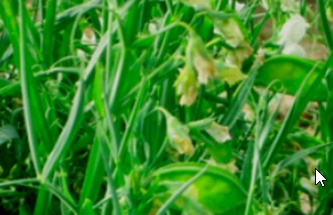
Botanical classification
Common name: grass pea
Botanical name: Lathyrus sativus L.
Botanical family: Fabaceae
Probable origin: Mediterranean region and south-western Asia, now cultivated in various parts of the world
Habit: annual herb with angular, branched stem
Height: 30–90 cm
Lifespan: annual
Cultivation and growth conditions
Climate
Suited to Mediterranean and temperate climates.
Highly resistant to drought and high temperatures.
Can grow in areas with irregular rainfall.
Sensitive to severe cold and prolonged frost.
Exposure
Prefers full sun.
In partial shade it produces fewer pods and seeds.
Soil
Adapts to many soil types, even poor and dry ones.
Prefers soils that are:
moderately well drained,
clay-loam or sandy-loam,
with a fair content of organic matter.
Tolerates calcareous soils.
Sensitive to waterlogging.
Irrigation
Generally does not need frequent irrigation.
In very dry environments or on very poor, dry soils:
moderate watering can be useful in the early growth stages and during flowering.
Avoid excess water, as the crop is sensitive to standing water.
Temperature
Optimal growth range: 15–28 °C.
Can tolerate hot periods above 30 °C once well rooted.
Sensitive to strong frosts (damage can occur already below about 5 °C in early stages).
Fertilization
Usually not very demanding.
As a legume, it fixes atmospheric nitrogen in the soil thanks to symbiotic bacteria.
On very poor soils, a light application of:
phosphorus (P),
potassium (K),
can be useful.
Avoid nitrogen fertilizers.
Crop care
Medium-depth soil tillage before sowing.
Light hoeing or mechanical weeding to control weeds.
In very compact or crusted soils, it is useful to improve soil aeration.
Monitor fungal diseases in very humid periods.
Harvest
Pods ripen in late summer or early autumn.
Harvest when the pods and seeds are fully dry.
After harvesting, threshing is carried out to separate the seeds.
Propagation
By seed, the only method of propagation.
Sowing is done in spring or late winter, depending on climate.
Seeds germinate easily in moderately moist soil.
Indicative nutritional values per 100 g (dry seeds)
Energy: 320–350 kcal
Protein: 25–30 g
Total carbohydrates: 50–60 g
predominantly starch and slowly digestible carbohydrates
Total fibre: 10–15 g
Total fat: 1–2 g
SFA (saturated fatty acids, to be moderated if overall dietary intake is high): present in very small amounts
MUFA (monounsaturated fatty acids): very low
PUFA (polyunsaturated fatty acids): low overall, with a prevalence of n-6 over n-3
Key minerals: phosphorus, potassium, iron, magnesium
Vitamins: small amounts of B-group vitamins, folate and natural antioxidant compounds
Values refer to the uncooked dry seeds; soaking and cooking modify water content and reduce certain antinutritional factors, including β-ODAP.
Key constituents
Proteins with a good amino acid profile, particularly rich in lysine
Complex carbohydrates and starch, providing sustained energy
Dietary fibre, contributing to bowel function and satiety
Minerals such as phosphorus, potassium, magnesium, iron and others in smaller amounts
Phenolic compounds and other natural antioxidants
β-ODAP, a non-protein amino acid whose content varies with variety, growing conditions and processing
Production process
Cultivation
Cicerchia is sown in cool seasons and thrives on poor, heavy or drought-prone soils, with relatively low fertiliser and water requirements.
It fits well into crop rotations, contributing to soil nitrogen through symbiotic fixation.
Harvesting
Seeds are harvested when pods are fully mature and dry, usually by cutting the plants and threshing once field-dry.
Drying and cleaning
After threshing, seeds are cleaned, removing stones, broken seeds and foreign matter, and dried to a safe moisture content for storage.
Storage
Dry seeds are stored in sacks or silos in cool, dry conditions, protected from insects and excess humidity.
Household preparation
Before cooking, cicerchia is typically soaked in abundant water (often for several hours or overnight), with the soaking water discarded.
Seeds are then boiled in fresh water; discarding the cooking water further contributes to reducing β-ODAP and improving digestibility.
Physical properties
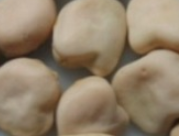
Seed shape: irregular, angular or wedge-shaped seeds, harder and more angular than many common beans.
Colour: from greyish to beige and light brown, sometimes with mottling.
Texture (dry): very hard seeds requiring soaking before cooking.
Surface: relatively smooth to slightly rough; low surface oiliness.
Sensory and technological properties
Flavour: pronounced, earthy and nutty, richer and more rustic than many other pulses.
Texture after cooking: can become creamy inside with a firm outer structure, depending on variety and cooking time.
Technological behaviour:
Good capacity to form creamy purees, soups and stews.
Once cooked and mashed, it can help thicken and bind preparations.
Cooking time and final texture depend strongly on soaking conditions, seed age and variety.
Food applications
Soups and stews: traditional rural dishes where cicerchia is simmered with vegetables, herbs and sometimes meat or cured meats.
Purees and creams: cicerchia can be cooked and then mashed to yield smooth purees served alone or combined with cereals.
Pasta and grains combinations: used together with cereals (e.g. wheat, barley, rice) to achieve complementary proteins in a single dish.
Flours and mixes: milled cicerchia can be incorporated into rustic breads, flatbreads, pancakes and other traditional preparations, often in combination with wheat or other cereal flours.
Nutrition and health
Cicerchia is a nutrient-dense legume, particularly rich in plant proteins, complex carbohydrates and fibre, while being naturally low in fat. The very small amounts of SFA and low levels of MUFA and PUFA mean that its main nutritional strengths are protein density, fibre and micronutrients (especially minerals and folate).
The fibre content supports intestinal regularity and can contribute to a more gradual post-prandial glycaemic response, especially when cicerchia is part of mixed meals with vegetables and whole grains. The slowly digestible starch and the combination with cereals provide sustained energy and improved protein quality.
The critical point is the presence of β-ODAP, historically linked to neurolathyrism in populations where grass pea made up a very large proportion of total caloric intake for extended periods, often in the context of famine and overall malnutrition. Modern recommendations emphasise:
Use of low-ODAP varieties where available.
Application of processing methods (soaking, boiling, discarding soaking and cooking water) that significantly reduce β-ODAP and other antinutritional factors.
Consumption of cicerchia as one component of a varied diet, not as a near-exclusive staple.
Under these conditions, cicerchia can be considered a safe and valuable legume with an interesting nutritional profile.
Portion note
A practical reference portion for cooked cicerchia (starting from dry seeds) is:
About 60–70 g of dry seeds per person, soaked and thoroughly cooked.
This portion provides a substantial protein and fibre contribution typical of a pulse-based serving within a main meal.
Allergens and intolerances
Cicerchia is not among the major legally recognised food allergens; however:
As a legume, it may cause reactions in individuals with hypersensitivity to pulses (for example, people who react to other legumes should be cautious when trying cicerchia for the first time).
Some consumers with sensitive digestion may experience discomfort if pulses are not sufficiently soaked and cooked, due to residual antinutritional factors and fermentable carbohydrates.
Introducing cicerchia gradually and ensuring proper preparation usually improves tolerance.
Storage and shelf-life
Dry seeds:
Store in a cool, dry, well-ventilated place, away from direct light.
Use airtight containers or suitable sacks to minimise moisture uptake and pest infestation.
Typical shelf-life: 12–24 months under good conditions; older seeds may require longer soaking and cooking times.
Cooked cicerchia:
Once cooked, can be stored in the refrigerator for a few days in a closed container, or frozen for longer storage.
Signs such as musty smell, visible mould or insect damage indicate that the product is no longer suitable for consumption.
Safety and regulatory
From a regulatory standpoint, grass pea/cicerchia is recognised as a traditional legume. Safety considerations focus on:
Variety selection: promotion of low-β-ODAP varieties developed by breeding programmes.
Processing recommendations: clear guidance on soaking, boiling and discarding process water to reduce β-ODAP content.
General food safety: compliance with limits for mycotoxins, pesticide residues, heavy metals and microbiological criteria that apply to pulses.
Some national or regional authorities have issued specific guidance on maximum recommended inclusion levels in the diet and on processing, particularly in areas where grass pea has historically been a major staple.
Labelling
For products containing cicerchia, key labelling points typically include:
Name of the food/ingredient: e.g. “cicerchia (Lathyrus sativus L.)”, possibly also mentioning “grass pea” where helpful.
Origin: country or region of production, especially for traditional or PDO/PGI-type products.
Preparation instructions: soaking time, cooking time and any advice to discard soaking water and cook thoroughly.
Nutrition information: energy, macronutrients, fibre and key mineral declarations, according to applicable regulations.
Warnings (if relevant): for example, a reminder that the product is intended to be consumed cooked, not raw.
Troubleshooting
Seeds remain hard after cooking
Likely causes: insufficient soaking, very old seeds, or hard water.
Solutions: extend soaking time, change soaking water once or twice, ensure adequate cooking time and, where possible, use softer water.
Very strong flavour or heavy feel
Likely cause: high proportion of cicerchia in the recipe or incomplete cooking.
Solutions: cook longer until fully tender, combine with other pulses or cereals and aromatic herbs to balance flavour.
Digestive discomfort (bloating, gas)
Likely causes: short soaking, insufficient rinsing or undercooking.
Solutions: discard soaking water, rinse seeds before cooking, cook thoroughly and introduce the legume gradually in the diet.
Concerns about β-ODAP content
Solutions: choose certified low-ODAP varieties, apply prolonged soaking and boiling, and ensure cicerchia is part of a diverse diet rather than the main staple.
Sustainability and supply chain
Cicerchia is well suited to low-input, climate-resilient agriculture:
Adaptation to marginal lands: it can grow on poor soils and under limited rainfall, supporting food security in vulnerable regions.
Low external inputs: modest need for fertilisers and pesticides, thanks in part to its nitrogen-fixing ability.
Agrobiodiversity: cultivation and valorisation of cicerchia contribute to the conservation of traditional crops and local genetic diversity.
Supply chain management:
Emphasis on traceability from field to finished product.
Proper storage and handling to minimise losses.
Sustainable management of water use and processing effluents, with attention to environmental indicators such as BOD/COD.
As a resilient legume, cicerchia has significant potential in sustainable diets and agroecological systems, especially where diversification away from a few major crops is a priority.
Main INCI functions (cosmetics)
Cosmetic ingredients derived from cicerchia may appear under INCI names such as Lathyrus Sativus Extract. Their main cosmetic roles include:
Skin conditioning: helping keep the skin in good condition, contributing to softness and comfort.
Emollient/softening support: especially in nourishing or soothing formulations.
Antioxidant contribution: thanks to phenolic compounds, extracts may support the antioxidant profile of cosmetic products.
All cosmetic uses must comply with applicable regulations and safety assessments.
Conclusion
Cicerchia (Lathyrus sativus L.) is an ancient legume with a rich nutritional profile, characterised by high protein content, substantial fibre, valuable minerals and limited fat. At the same time, it has a unique safety aspect due to β-ODAP, which historically caused neurolathyrism under extreme consumption and malnutrition conditions. Today, with improved varieties, clear processing guidelines and moderate use within diversified diets, cicerchia can be considered a nutritious and safe component of modern food patterns.
Its strong, rustic flavour, versatility in soups, purees, flours and traditional dishes, and its relevance for sustainable agriculture and crop diversification make cicerchia an ingredient of renewed interest for both gastronomy and food security, with potential complementary roles in cosmetic applications.
Studies
The cultivation of chickling vetch, which has long been used as a cooked, fermented or roasted foodstuff, particularly in past generations, has declined dramatically in recent years following the discovery of a neurotoxin, β-N-oxalyl-L-α, β-diaminopropionic acid (β-ODAP), present in both the plant and the seeds. This toxin, which appears to be linked to sulphur metabolism, is responsible for a serious and non-reversible neurological disorder in humans and animals, neurolathyrism, a degenerative motor neuron syndrome, leading to convulsions and paralysis of the lower limbs, spastic paraparesis. The toxin occurs in alpha and beta isomeric forms with a β-isomer content of up to 95 % of the total ODAP (1). The seeds can be partially detoxified by fermentation, cooking or soaking in alkaline solutions (2). Many countries have banned the cultivation of this legume. To counteract its toxicity, India has produced some low-toxin varieties of Lathyrus sativus (Ratan, Prateek, Mahateora) with an ODAP content of less than 0.10 % (3).
With regard to the phytochemical composition, chickling vetch has a high content of proteins, flavonoids and the presence of iron (41-43 ppm), zinc (19-54 ppm) is observed. Carbohydrates account for 51-73% and starch for 35-52%. Saturated fatty acids 16-54% and unsaturated fatty acids 45.7-66.7%. We find potassium in 8.33-11.05 ppm, manganese in 7.86-42.5 ppm and a small amount of magnesium, 0.86-1.61 ppm (4).
Secondary genetic pool (Heywood et al., 2007):
- L. cicera
- L. amphicarpus
- L. crisante
- L. gorgoni
- L. marmoratus
- L. pseudocicera
- L. blepharicarpus
- L. choranthus
- L. ierosimitano
- L. hirsutus
Chickling vetch has proved very useful in remediating and restoring the quality and fertility of soils polluted by heavy metals such as Lead and Cadmium (5).
Chickling vetch and toxins, studies
Mini-glossary
β-ODAP: β-N-oxalyl-L-α,β-diaminopropionic acid, a non-protein amino acid naturally present in cicerchia/grass pea; high and prolonged intake in poor diets has been associated with neurolathyrism, but its content can be reduced by soaking and cooking, and further controlled through low-ODAP varieties and diversified diets.
SFA (saturated fatty acids): fatty acids without double bonds; high intake from all dietary sources is associated with less favourable blood lipid profiles, so overall consumption should be moderated.
MUFA (monounsaturated fatty acids): fatty acids with one double bond; generally associated with favourable effects on blood lipids when they replace SFA in the diet.
PUFA (polyunsaturated fatty acids): fatty acids with two or more double bonds; include omega-3 and omega-6 families, which play roles in inflammation and cardiovascular health depending on type and balance.
GMP/HACCP (good manufacturing practice / hazard analysis and critical control points): structured systems used to ensure hygienic production, product quality and control of food safety hazards along the processing chain.
BOD/COD (biochemical oxygen demand / chemical oxygen demand): key indicators of the organic load of wastewater; used to monitor and manage the environmental impact of processing plants, including those handling legumes and other foods.

