



Methyl Cocoate: properties, uses, pros, cons, safety
Methyl Cocoate is an ester derived from coconut fatty acids and methanol. This compound is used in various cosmetic formulations for its emollient and moisturizing properties. Methyl Cocoate is recognized for its ability to enhance skin texture and provide a lightweight, non-greasy feel, making it ideal for use in lotions, creams, and hair care products. It serves as an effective solvent and emulsifier, helping to blend oil and water phases in formulations.
Chemical Composition and Structure
Methyl Cocoate is composed of:
- Coconut Fatty Acids: Derived from coconut oil, these fatty acids provide emollient properties and contribute to the moisturizing effects of the compound.
- Methanol: A simple alcohol that acts as the alcohol component in the esterification process.
Structurally, Methyl Cocoate features a hydrophobic tail derived from fatty acids and a hydrophilic head from the methanol, which facilitates its emulsifying properties and helps stabilize formulations.
Physical Properties
Appearance: Typically a clear to slightly yellow liquid.
Solubility: Soluble in oils and organic solvents; limited solubility in water.
pH: Generally neutral, around 6-7, depending on the formulation.
Odor: Mild, characteristic of coconut.
Stability: Stable under normal storage conditions; should be kept away from light and heat.
Production Process
Synthesis: Methyl Cocoate is produced through the transesterification of coconut fatty acids with methanol, typically using a catalyst to promote the reaction.
Purification: The resulting ester undergoes purification processes to remove any unreacted materials, free fatty acids, and other impurities, ensuring a high-quality ingredient.
Formulation: Purified Methyl Cocoate is incorporated into various cosmetic formulations to enhance texture, stability, and moisture retention.
Applications
Medical: Limited use in topical formulations requiring moisturizing effects.
Cosmetics: Commonly found in creams, lotions, shampoos, and conditioners for its emollient and emulsifying properties. It enhances the spreadability and feel of products on the skin and hair.
Food: Not typically used in food products; primarily utilized in personal care applications.
Industrial Uses: May be employed in industrial formulations requiring emollients and emulsifying agents.
Environmental and Safety Considerations
Methyl Cocoate is generally regarded as safe for use in cosmetics when applied according to recommended guidelines.
It is well-tolerated by most skin types, including sensitive skin.
Responsible sourcing and formulation practices are essential to ensure that the ingredient is free from harmful contaminants and produced sustainably.
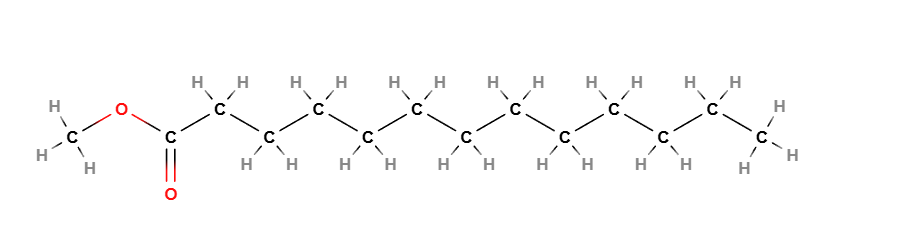 |  |
Molecular formula: CH3(CH2)11COOCH3
CAS: 61788-59-8
UNII 92396UOJ5Z
EC Number: 262-988-1
MDL number
PubChem Substance ID
Synonyms:
- Coco fatty acids methyl esters
- Coconut oil acid, methyl esters

