



Coronaviruses, a name coined in 1968 derived from the crown morphology of its structure, are a group of viruses that affect the respiratory tract. Coronavirus COVID-19 spreads predominantly through the respiratory tract with a high degree of infectivity. They belong to the subfamily Coronavirinae which together with Torovirinae form the family Coronaviridae in the order Nidovirales and are known to infect mammals and birds. Genotypically, coronaviruses can be divided into three groups. Group III viruses are found exclusively in birds, while group I and II viruses have mammals as their hosts (1).
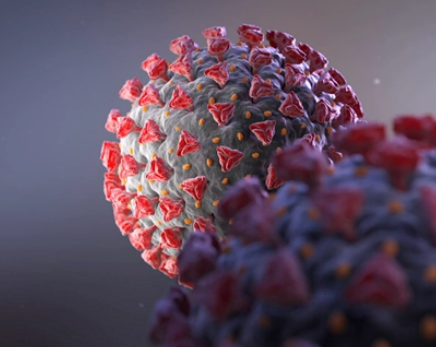
Coronaviruses belong to the subfamily Coronavirinae that together with Torovirinae form the family Coronaviridae in the order Nidovirales (2) created in 1996.
Infection and Mortality
Influenza epidemics result in increased mortality due both to influenza itself and pneumonia, but also from complications and exacerbation of other chronic diseases due to influenza. In the absence of laboratory tests, it is not easy to determine whether deaths are attributable to influenza as a primary cause.
Between 250,000 and 500,000 influenza-associated deaths occur each year, according to WHO estimates (3)
The 1918/1919 pandemic influenza so-called Spanish flu (H1N1 strain), developed in a three-wave pattern and caused the deaths of approximately 50 million people (4) with a mortality rate, worldwide, of 2-3%. Although criticized, one study (5) believed that there were phylogenetic similarities between Spagnola and coronavirus. Age groups most infected: young adults.
The first coronavirus was discovered in 1930 (6).
The second coronavirus, in the years 1957-1958 ( HCoV-229E and HCoV-OC43) or so-called Asian influenza (strain H2N2), of presumably avian origin, developed in February in Guizhou province in southern China, spread in March to Hunan province, in April to Singapore and Hong Kong, in a two-wave pattern caused the death of about 1/4 million people worldwide with a mortality rate of 0.2%. Most infected age groups: all age groups (7).
The third coronavirus in 1968 or Hong Kong influenza (strain H3N2), presumably of avian origin, caused the death of about 1 million people with a similar mortality rate as in 1957 of 0.2%. Age groups most infected: all age groups (6).
In November 2002, SARS-CoV developed in Foshan, Guangdong Province, mainland China, with a new coronavirus, the fourth, as the causative agent. The origin appears to be from two animals: civet (Paguma larvata) and raccoon (Nyctereutes procynonoides), which are sold in markets as culinary delicacies. SARS-CoV has infected more than 8000 people and caused 774 deaths in 26 countries on five continents. Age groups most infected: all age groups (8).
In June 2009, a coronavirus, the fifth, resulting from the combination of genetic segments of avian, swine, and human influenza viruses originating in Mexico (H1N1pdm09) killed an estimated 200-400,000 people worldwide with a mortality rate of 0.02%. Age groups most infected: children and adults. The pandemic was officially declared over by the WHO in August 2010. This influenza has shown an anomalous figure compared to similar seasonal epidemics: about 80% of deaths have affected people under 65 years of age, while an estimated 80-90% of deaths caused by previous seasonal epidemics have been in the older population, 65 years and over (9).
In April 2020 COVID-19 (developed in Wuhan, China) infected nearly 3 million people and caused the death of more than 200,000 people with a 6.7% mortality rate
Coronavirus COVID-19 developed in China from two strains of different animal origin: bat and pangolin (10) although other studies consider COVID-19 closely related to coronaviruses derived from wild animals, including Paguma larvata, Paradoxurus hermaphroditus, Civet, Aselliscus stoliczkanus, and Rhinolophus sinicus, located in the same branch of the phylogenetic tree. However, genome and ORF1a homology show that the virus is not the same coronavirus as that derived from these animals, whereas the virus has the highest homology with the isolated bat coronavirus RaTG13. On the pangolin, genome affinity is still unclear (11).
Some evidence, however, suggests that it may have come from laboratories. In fact, in September 2003 in Singapore, China, there was an episode of Coronavirus SARS. The patient, with overt SARS symptoms, was working in a laboratory and had reported working on West Nile virus, but the laboratory was doing live SARS work at the time (12).
Droplet transmission is the primary route (13), and travel was the main source of transmission of COVID-19 cases during the early stages of the current outbreak in Italy (14) and China. This study found that 779 cases would have been exported from China by February 15, 2020, because of the lack of border restrictions or travel restrictions and that travel-blocking measures implemented by the Chinese government subsequently prevented 70.5% of infections (15). Notably, the coincidence of the Spring Festival in China increased travel volumes from Wuhan, Hubei province, the epicenter of COVID-19 spreading the epidemic (16).
Defenses
COVID-19 enters the human body primarily through exposure to respiratory droplet clouds that expand approximately 5 meters or more caused by sneezing or coughing from infected persons. These clouds can travel through the air, and at least 20% can remain alive for 3 hours to 6 days (17).
Currently, the only defense available, vaccines aside, is the maintenance of distance between individuals and respiratory protection devices that are used by those who must defend themselves from radioactive materials, biological, chemical.
Half-face respirators are easy to wear and lightweight. There are currently several types of these respirators on the market, which are classified in Europe (EN 149:2001) as FFP1 (minimum filtration efficiency 80%), FFP2 (minimum filtration efficiency 94%) and FFP3 (minimum filtration efficiency 99%), while the US National Institute for Occupational Safety and Health (NIOSH) classifies them as N95 (minimum filtration efficiency 95%), N99 (minimum filtration efficiency 99%), N100 (minimum filtration efficiency 99.97%) (18). Surgical masks commonly used by physicians in the operating room are also on the market.
Studies have verified the effective protection of these respirators.
Influenza and coronavirus viruses are particle sizes ranging from 0.04 to 0.2 um.
This 2008 study concludes that the N95 respirators tested had provided about 8-12 times better protection than surgical masks. However, approximately 29% of the N95 respirators tested had a PF of less than 10, indicating that the PF 10 value established by the US Occupational Safety and Health Administration (OSHA) overestimates the actual protection offered by N95 respirators against bacteria and viruses. N95 filtering-mask respirators with valves demonstrated nearly equal protection to those without valves against bacterial and viral particles (19).
In a more recent study from 2016, laboratory tests showed that 10% of FFP2 respirators and 28.2% of FFP3 respirators had lower protection factors than those assigned by the European standard EN 149:2001 (20).
The search for therapy
Monoclonal antibodies represent the main class of biotherapeutics for passive immunotherapy to fight viral infections (21). However, they have contraindications that must be evaluated on a case-by-case basis. Tocilizumab (distributed free of charge by Roche while supplies last), can help patients breathe independently and get out of the ICU.

A temporary suggestion probably resistant to new coronavirus mutations is the use of angiotensin type 1 receptor blockers as therapeutics to reduce aggressiveness and mortality from SARS-CoV-2 virus infections (22).
Nucleoside analogs such as favipiravir (T-705 or 6-fluoro-3-oxo-3,4-dihydropyrazine-2-carboxamide) approved for new strains that do not respond to current antivirals, marketed and approved in Japan under the name Avigan®, as well as ribavirin (Tribavirin or Virazole) and experimental nucleoside analogs such as remdesivir (a nucleotide analog formulation currently in clinical trials for the treatment of Ebola virus infections) and galidesivir, may have potential on 2019-nCoV (23) but remdesivir appeared superior in efficacy to lopinavir/ritonavir and interferon beta against MERS-CoV in a model of humanized transgenic mice (24). Regarding efficacy, favipiravir demonstrated an IC50 (concentration required to inhibit 50% of the target) of 601 μM versus 3.9 μM attributed to ribavirin (25), but its use is approved with limitations because it has a risk of teratogenicity and hemotoxicity (26).
This study describes the first generation of MERS-CoV fusion inhibitors with potencies in the low micromolar range (27).
Chloroquine phosphate, a drug already effective in the treatment of malaria, has been shown to have apparent efficacy and acceptable safety against COVID-19-associated pneumonia in multicenter clinical trials conducted in China (28) in 500mg tablets twice daily for 10 days to patients diagnosed as mild cases, moderate and severe cases of new coronavirus pneumonia and without contraindications to chloroquine (29) and already proposed 20 years ago by the authors of this study as effective in vitro against a wide range of viruses (30), while another study considers hydroxychloroquine more potent and more tolerable (31).
Procalcitonin, a prohormone precursor to calcitonin, a diagnostic biomarker approved by the FDA in 2005, for patients with more severe symptoms of Coronavirus 2019 (COVID-19)(32) in the ICU.
In in vitro experiments, the alkaloid cepharanthine, selamectin, and mefloquine hydrochloride, another known remedy for malaria, were effective against pangolin-originated coronavirus (33).
During the severe COVID-19 outbreak, many hospitals administered Tocilizumab in intubated patients who were able to breathe on their own thanks to this monoclonal antibody.
People of advanced age are more likely to experience acute respiratory distress syndrome (ARDS), and this study suggests treatment with methylprednisolone (34), a synthetic glucocorticoid and potent anti-inflammatory.
A highly standardized mixture of active compounds derived from the action of Lentinula Edodes Mycelia (AHCC) that can promote a protective response to a wide range of viral infections, and the current absence of effective vaccines could support its use in the prevention of diseases caused by human pathogenic coronaviruses, including COVID-19 (35).
It is important to understand the defense dynamics of coronavirus to try to inhibit its replication, a very complex process aimed at preserving its large RNA genome. Replication and maturation of the virus have essential strengths in several proteases including Mpro or 3CL and the papain-like protease (PLpro) capable of generating developed proteins.
In previous MERS-CoV and SARS-CoV, disulfiram (Tetraethylthiuram disulfide, Antabuse™) was shown to inhibit papain protease and act as an allosteric inhibitor for MERS-CoV and as a competitive (or mixed) inhibitor of SARS-CoV (36). However, it should not be coadministered with lopinavir/ritonavir (37).
In fact, PLpro plays a key role in virus defense because first and foremost it is responsible for shaking off host cell proteins that seek, through the immune response, to neutralize the virus (38) and also has a pharmacokinetic interaction on stimulating host interferon through its deubiquitination activity (39).
Disulfiram is a well-known remedy for alcoholism, but has also recently demonstrated efficacy against cancer, leukemia, and, importantly, low toxicity (40). This study showed that the disulfiram/copper complex significantly induced cell cycle arrest in the G2/M phase in MM.1S and RPMI8226 cells (41).
Between 2005 and 2009, several studies had identified 6-mercaptopurine (a US Food and Drug Administration (FDA)-approved anticancer drug) , 6-thioguanine (a chemotherapeutic drug), and mycophenolic acid as compounds capable of inhibiting PLpro of MERS-CoV through their synergistic effects and capable of forming a basis for antiviral drugs (42) (43).
In 2018, 6-thioguanine was suggested as a noncompetitive inhibitor of PLpro during the PEDV swine epidemic (44).
Another anti-infectious antimalarial drug, mefloquine, which is structurally related to quinine and is often combined with artesunate (a semisynthetic derivative of artemisinin) could provide results in combating coronavirus, but has contraindications due to both the long treatment period and potential side effects (45).

