



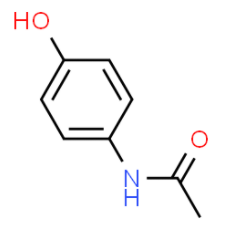
Paracetamol, N-(4-Hydroxyphenyl)acetamide or Acetaminophen, first marketed in the United States in 1950 and in U.K. in 1956, is an active ingredient,analgesic and antipyretic, used for the treatment of influenza and colds, present in the hundreds of drugs that can be sold without a prescription.
Take only under medical supervision
Paracetamol has antipyretic properties similar to aspirin, but unlike aspirin, it has no anti-inflammatory activity. The antipyretic properties of both paracetamol and aspirin are based on the inhibition of prostglandins and other substances by arachidonic acid (1).
The maximum daily dose for adults is 4 grams per day (12). It is usually considered safe even if, in overdose, it is associated with liver injury. Avoid using alcohol, smoking, or other drugs while taking this medicine.
It's also a drug for patients who suffer from pain associated with osteoarthritis.
This study found that paracetamol is effective in reducing fever and symptoms and reflects current recommendations that only treat symptoms and not routine prophylaxis (3).
In particular, in elderly people it is important to strictly follow the advice on maximum doses that should not be exceeded (4).
In infants undergoing major surgery, morphine is used as standard postoperative analgesic therapy. To reduce the amount of morphine, paracetamol has been successfully used (5).
In children the use of aspirin has almost disappeared and paracetamol has become the primary treatment for analgesia and antipyresis (6).
Contraindications
After ingestion, 90% of paracetamol is metabolized in the liver in combination with glucuronic acid, sulfuric acid and cystine (7).
Paracetamol overdose is the main causative factor of acute liver failure (8) (9) but some natural products have demonstrated hepatoprotective effects against paracetamol-induced hepatotoxicity (10).
Taking paracetamol on an occasional basis does not pose any problems, but taking it regularly and continuously for a few days can increase the risk of cardiovascular disease (11).
Like all drugs it can cause side effects. Always ask the physician.
Typical optimal characteristics of the commercial product Paracetamol
| Appearance | Powder fine white |
| Boiling Point | 387.8±25.0 °C at 760 mmHg |
| Melting Point | 168.0°C to 172.0°C |
| Density | 1.2930g/mL |
| Flash Point | 188.4±23.2 °C |
| PSA | 49.33000 |
| LogP | 0.34 |
| Index of Refraction | 1.619 |
| Vapour Pressure | 0.0±0.9 mmHg at 25°C |
| Safety |  |
 |  |
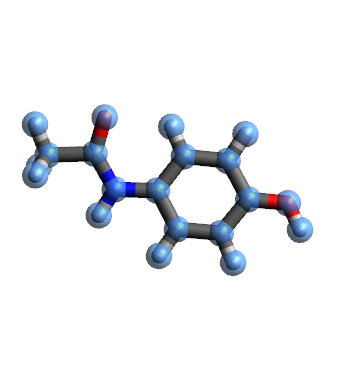 |  |
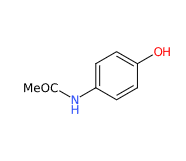
- Molecular Formula: C8H9NO2
- Linear Formula: CH3CONHC6H4OH
- Molecular Weight: 151.16 g/mol
- CAS: 103-90-2
- EC Number: 203-157-5
- UNII 362O9ITL9D
- InChI=1S/C8H9NO2/c1-6(10)9-7-2-4-8(11)5-3-7/h2-5,11H,1H3,(H,9,10)
- InChl Key RZVAJINKPMORJF-UHFFFAOYSA-N
- SMILES CC(=O)NC1=CC=C(C=C1)O
- IUPAC N-(4-hydroxyphenyl)acetamide
- ChEBI 46195
- DSSTox Substance ID: DTXSID2020006
- MDL number MFCD00002328
- PubChem Substance ID 329820028
- NACRES NA.24
- Beilstein/REAXYS Number 2208089
Synonyms:
- N-(4-hydroxyphenyl)acetamide
- Panadol
- N-Acetyl-p-aminophenol
- Algotropyl
- p-Acetamidophenol
- Hydroxyacetanilide
- p-Hydroxyacetanilide

