



Zucchini (Cucurbita pepo)
Description
Zucchini is the immature fruit of Cucurbita pepo, an annual herbaceous species in the Cucurbitaceae family, which also includes pumpkin, cucumber and melon. It originated from American ancestors but has been widely selected and established in the Mediterranean area, where it has become a classic summer vegetable.
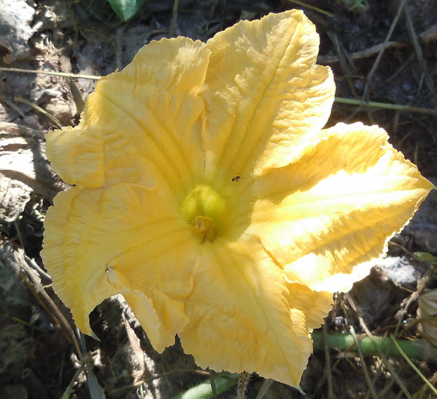
The plant has a herbaceous, creeping or semi-trailing stem, a taproot and large, lobed, slightly rough leaves. From the leaf nodes, large yellow flowers develop: male flowers on thinner, longer stalks, and female flowers directly attached to the ovary, which, once fertilized, would form the mature pumpkin. Zucchini, however, is harvested at an immature stage, when the ovary is still tender, watery and low in fibre, before full seed development and rind hardening.
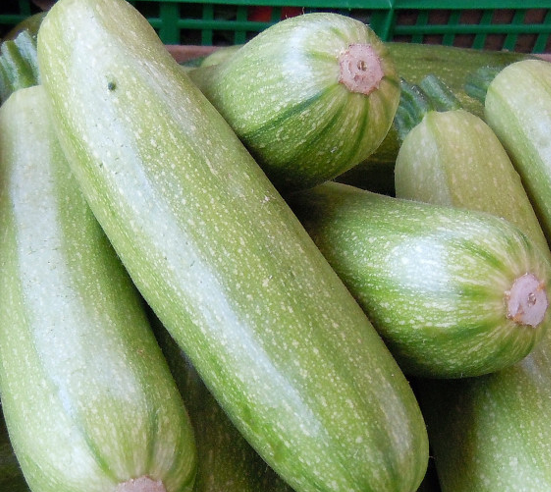
Fruits are usually elongated or cylindrical, sometimes slightly curved, with a thin, smooth skin. The most common colour is green (light, medium or dark), but there are striped, speckled and fully yellow varieties. The flesh is pale, rich in water, with a central area containing small, soft, undeveloped seeds.
In culinary use, zucchini is appreciated for its high digestibility, mild flavour and versatility, working well in both traditional and modern recipes. Its very high water content and low energy value make it a typical component of light and Mediterranean diets.
 |  |
Botanical classification
Common name: Zucchini
Clade: Angiospermae
Order: Cucurbitales
Family: Cucurbitaceae
Genus: Cucurbita
Species: Cucurbita pepo L.
Climate
Zucchini prefers temperate to warm climates, with sunny summers, light breezes and an absence of frost. It is sensitive to low temperatures and late frosts, which can quickly damage young tissues. For good growth and flowering, ideal conditions involve mild temperatures, bright days and moderate humidity.
Exposure
The ideal exposure is full sun, which favours abundant flowering and fruiting and vigorous plant growth. In partial shade, yields tend to decrease and vegetation becomes weaker. Strong winds, especially during flowering, can hinder pollination and damage the herbaceous stems.
Soil
Zucchini grows best in deep, loose, well–drained soils rich in organic matter, with neutral or slightly subacid pH. Soils that are too compact, poorly aerated or prone to waterlogging hinder root development and promote disease onset. A well–structured soil, airy and humus-rich, supports vegetative growth and the production of well-formed, high-quality fruits.
Irrigation
Irrigation must be regular and well regulated, keeping the soil uniformly moist but not saturated. Prolonged drought causes growth checks, flower abortion and misshapen fruits, while excess water can lead to root rot and fungal problems. It is preferable to water at the base of the plant, avoiding excessive wetting of leaves and flowers; mulching helps limit evaporation and stabilise moisture.
Temperature
The optimal temperature range for germination, growth and fruit set is generally between 18 and 28 °C. Temperatures below 12 °C drastically slow development, while excessively high temperatures associated with water scarcity can lead to flower abortion and small, fibrous fruits.
Fertilization
Zucchini is a nutrient-demanding crop, especially in terms of nitrogen, which is essential for vegetative growth and abundant flowering and fruiting. A supply of well-matured organic matter before planting, followed by balanced mineral integrations (nitrogen, phosphorus, potassium), supports the entire crop cycle. Nitrogen excesses should be avoided, as they favour overly lush foliage at the expense of fruit production and increase sensitivity to disease.
Crop care
Crop care includes light hoeing to control weeds, mulching to retain moisture, and maintaining good canopy aeration. It is important to constantly monitor for fungal pathogens, especially powdery mildew and downy mildew, and intervene promptly with targeted treatments or preventive practices such as crop rotation and appropriate plant spacing. Attention should also be paid to pollinator activity, which is essential for good fruit set.
Harvest
Harvesting takes place when fruits reach the desired commercial size, normally while still young with tender skin. Frequent picking is recommended to stimulate continuous production and to prevent overgrown fruits from slowing the development of new ones. Regular harvesting also ensures more uniform zucchini, with tender flesh and a more delicate flavour.
Propagation
Propagation is by seed, through direct sowing in the field or sowing in pots for later transplanting. Direct sowing is carried out only when soil temperatures are sufficiently mild, avoiding frost risk. Seedlings raised in containers are transplanted once they have developed several true leaves and a well-formed root system, respecting planting distances that ensure enough space for plant development and good aeration.
Indicative nutritional values per 100 g
(raw zucchini, edible portion)
Energy: ~ 15–17 kcal
Water: ~ 92–95 g
Total carbohydrates: ~ 3–3.5 g
of which dietary fiber: ~ 1–1.5 g
Proteins: ~ 1–1.2 g
Total fats: ~ 0.2–0.3 g
SFA: traces
MUFA: traces
PUFA: traces
Minerals: small amounts of potassium, phosphorus, magnesium, calcium, iron
Vitamins: vitamin C, folate (vitamin B9), and variable amounts of carotenoids and other B-group vitamins
Values can vary according to variety, maturity and growing conditions.
Key constituents
Water (dominant component)
Low levels of simple and complex carbohydrates
Dietary fiber (modest but useful)
Small amounts of plant proteins
Vitamins: vitamin C, folate, carotenoids, B-group vitamins in variable quantities
Minerals: especially potassium, with smaller amounts of phosphorus, magnesium, calcium, iron
Minor bioactive compounds: natural antioxidants and phytonutrients
Production process
Cultivation
warm, mild climate with full sun exposure
preference for light to medium, fertile, well-drained soils
Sowing or transplanting
direct sowing in open field in spring
or transplanting of seedlings from nursery beds
Flowering and fruit set
natural insect pollination; sometimes assisted in protected cultivation
Fruit development
rapid growth; requires regular irrigation to maintain tenderness and avoid bitterness
Harvest
fruits are harvested immature, when they are still tender, with smooth, thin skin and soft seeds
repeated harvests over the season, often every few days
Sorting and commercialisation
fruits selected for size, uniformity and integrity
packed for fresh distribution (loose or pre-packed)
Physical properties
predominantly cylindrical to slightly conical shape
thin, smooth skin, moderately firm
pale, water-rich flesh with a central core of soft, undeveloped seeds
low density, soft and juicy structure
very high moisture content, contributing to freshness and low weight
Sensory and technological properties
mild, delicate flavour, slightly green and vegetal
light aroma, not dominant, easy to pair with stronger ingredients
tender, uniform texture with good capacity to absorb seasonings, oils and sauces
behaves well in cooking:
retains shape and slight bite with short cooking
breaks down easily with longer cooking, useful for purees, soups and sauces
high water content is an advantage for softness but may release a lot of liquid in dishes if not managed properly
Food applications
simple cooking methods: steamed, boiled, grilled, sautéed, roasted
added to soups, stews and vegetable creams
base for sauces and pasta condiments
key ingredient in frittatas, savoury pies, gratins, casseroles, veggie patties
used raw in salads, thin carpaccio slices, crudités
ideal for low-calorie and light meals, often combined with other vegetables and lean proteins
Nutrition and health
Zucchini is a light and easily digestible vegetable, with a very low calorie impact and a high hydration contribution:
dietary fiber supports intestinal function and contributes to satiety
high water content supports hydration and volume in meals without adding many calories
vitamins and phytonutrients provide a modest but useful antioxidant contribution
potassium contributes to electrolyte balance when part of a varied diet
Because of its low energy density and gentle effect on digestion, zucchini fits very well into weight-management, Mediterranean and general wellness eating patterns.
Portion note
A common serving is about 150–200 g of fresh raw zucchini (roughly one medium zucchini per person), depending on the role in the meal (side dish vs. main vegetable component).
Allergens and intolerances
zucchini is not among the main legally recognised food allergens
allergic reactions to zucchini are rare but may occur in individuals sensitive to Cucurbitaceae
generally well tolerated even by people with more delicate digestion, when cooked appropriately
Storage and shelf-life
best kept refrigerated at about 4–8 °C
typical shelf-life: a few days after purchase; quality is highest when consumed promptly
avoid excessive humidity to reduce risk of mould and decay
once cut, store in a closed container in the refrigerator and use within 1–2 days
cooked dishes, soups or purees: refrigerate and consume within a short time
Safety and regulatory
Zucchini is considered a safe and common vegetable. As with other fresh produce, safety relies on:
good agricultural practices (soil, irrigation water, and fertiliser management)
respect of legal limits for pesticide residues
hygiene in harvesting, post-harvest handling and distribution
Normal washing under potable running water before use is recommended.
Labeling
On packaged zucchini, labels should typically include:
product name: “zucchini” (or “courgette” in some markets)
country of origin
net weight
commercial category or quality class where applicable
any storage indications (keep refrigerated, etc.)
durability date for pre-packed fresh produce when required
Troubleshooting
In the kitchen
too much water released during cooking → pre-salt and drain, or adjust cooking technique (higher heat, shorter time)
mushy texture → overcooking, overly mature fruit, or poor quality; shorten cooking time and choose smaller, younger zucchini
flavour too bland → combine with aromatic ingredients (garlic, herbs, spices, cheese, cured meats, flavourful oils)
In storage
mould growth → fridge too humid or storage too long; check packaging and reduce storage time
wrinkled, flaccid skin → dehydration from extended storage or poor conditions
spongy pulp with large seeds → fruit harvested too late, better used for soups or purees rather than crisp preparations
Main INCI functions (cosmetics)
In cosmetics, ingredients derived from Cucurbita pepo (usually from fruit or seed) can be used for:
skin conditioning: contributing to softness and comfort of the skin
support to hydration and skin barrier function in some formulations
minor antioxidant contribution depending on extract type and processing
Cosmetic use is secondary compared with the primary role of zucchini as a food.
Conclusion
Zucchini (Cucurbita pepo) is one of the emblematic vegetables of Mediterranean cuisine. Its lightness, high water content, delicate flavour and good digestibility make it suitable for everyday consumption in a wide variety of dishes. It integrates easily into first courses, side dishes, mixed plates, creams and modern “healthy” recipes, offering volume and texture without significantly increasing caloric load.
From a nutritional perspective, zucchini is not a “concentrated” source of macronutrients, but it plays an important role in balancing meals, helping to increase vegetable intake, hydration and fibre, while keeping energy intake moderate. In cosmetic formulations, zucchini-derived ingredients have a niche role as skin-conditioning and hydration-support components.
Overall, zucchini can be considered a versatile, light and functional vegetable, perfectly aligned with contemporary dietary patterns that favour plant-based, fresh and easily digestible foods.
Studies
From the results of this study, zucchini appears to have yielded satisfactory results and seems to be useful for improving symptoms and quality of life in treating symptoms of the lower urinary tract linked to benign prostate hyperplasia and seems to be useful for improving symptoms and quality of life (1).
The content of phosphorus derivatives of pumpkin polysaccaride allows it to be attributed antioxidant properties and cytoprotective effects (2).
In other studies, hypoglycemic (3) and antidiabetic activity (4) has been confirmed.

