



Onion (Allium cepa) is a biennial herbaceous plant belonging to the Amaryllidaceae family. Cultivated primarily as an annual for its edible bulbs, onions are among the most widely grown and consumed vegetables worldwide. Originally from Central Asia, they are appreciated for their distinct flavor and numerous health benefits. Onions contain sulfur compounds responsible for their characteristic pungency and bioactive properties.
Botanical Classification
- Kingdom: Plantae
- Clade: Angiosperms
- Class: Monocots
- Order: Asparagales
- Family: Amaryllidaceae
- Genus: Allium
- Species: Allium cepa
Plant Characteristics
- Bulb: Underground storage organ composed of fleshy, concentric layers. It varies in color (white, yellow, red, purple) and size depending on the variety.
- Stem: Short and hidden within the bulb.
- Leaves: Hollow, tubular, and green, performing photosynthesis.
- Flowers: Small, white or greenish, arranged in spherical umbels on long flower stalks.
- Roots: Fibrous and shallow, staying close to the soil surface.
- Habitat: Cultivated worldwide, preferring temperate climates and well-drained soils.
Chemical Composition
Onions are rich in bioactive compounds and essential nutrients:
- Vitamins: High in vitamin C, B-complex vitamins (B6, folic acid), and small amounts of vitamin A.
- Minerals: Contain potassium, calcium, iron, magnesium, and zinc.
- Sulfur Compounds: Such as sulfides and thiosulfonates, responsible for flavor and health benefits.
- Flavonoids: Quercetin and other antioxidants with protective effects.
- Fiber: Supports digestion and gut health.
- Polyphenols: Contribute to anti-inflammatory and antioxidant properties.
How to Cultivate Allium cepa
Onions are relatively easy to cultivate:
- Climate: Grow best in temperate climates with temperatures between 13°C and 24°C.
- Soil Requirements: Prefer well-drained, loose, organic-rich soil.
- Planting: Can be grown from seeds, sets (small bulbs), or transplants, depending on the variety and season.
- Irrigation: Require moderate watering, avoiding excess moisture that can cause root rot.
- Weed Control: Keeping the field weed-free is essential for good growth.
- Harvesting: Ready when leaves turn yellow and begin to bend over naturally.
- Storage: After harvest, onions are dried in a well-ventilated area before storage.
Uses and Benefits
Culinary Uses:
- A staple ingredient in various cuisines, adding flavor to numerous dishes.
- Can be eaten raw, cooked, fried, baked, or pickled.
- Used in soups, stews, sauces, salads, and meat or vegetable dishes.
Health Benefits:
- Antioxidant Properties: High quercetin levels help combat free radicals.
- Anti-inflammatory: Sulfur compounds contribute to reducing inflammation.
- Cardiovascular Health: Helps regulate blood pressure and cholesterol levels.
- Antibacterial & Antiviral: Traditionally used to support immune function.
- Blood Sugar Regulation: Studies suggest onions may help maintain stable glucose levels.
- Digestive Aid: Stimulates gastric juices and supports gut health due to prebiotic fiber.
Agricultural and Environmental Uses:
- Natural Pest Repellent: Its strong odor deters certain insects in horticulture.
- Organic Fertilizer: Onion scraps can be composted to enrich soil nutrients.
Cosmetic Uses:
- Onion extract is found in skincare products for scar reduction and skin brightening.
- Some traditional remedies use onion juice to promote hair growth.
Applications
Food Industry:
- Dried and powdered for seasonings and flavor enhancers.
- Used in pickles and preserves.
Traditional Medicine:
- Used in home remedies for colds, coughs, and respiratory infections.
- Found in some supplements for cardiovascular and digestive health.
Agriculture:
- Planted in crop rotation systems to improve soil health.
- Being studied for potential applications in organic pest control.
Environmental and Safety Considerations
Environmental Benefits:
- Onion cultivation contributes to agricultural biodiversity.
- Some local varieties are drought-resistant, making them suitable for sustainable farming.
Safety:
- Excessive onion consumption may cause gastric irritation in sensitive individuals.
- Onion juice can irritate the eyes and mucous membranes during preparation.
Research and Future Potential
Onions are being extensively studied for their bioactive compounds and potential health benefits. Recent research explores their role in preventing chronic diseases such as diabetes, cardiovascular conditions, and certain cancers. The food industry is developing new onion-based products to harness their nutritional and functional properties. In agriculture, researchers are working on climate-resilient onion varieties and improving post-harvest storage techniques to reduce food waste.
Studies
The onion contains flavonoids, very useful to the human body as robust antioxidants found in the outermost layers.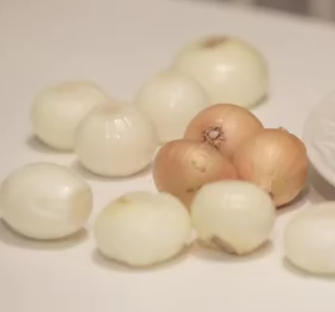
It should be eaten raw so as not to lose the healing properties of flavonoids and sulfur derivatives present in this vegetable.
Animal studies have shown the effectiveness of onion as an anticoagulant.
Human studies have found the usefulness of onion combined with other vegetables to prevent cardiovascular problems.
As an anti-inflammatory, a component of the onion, Onionin A found in the bulb, has been shown to perform an action to counteract inflammatory blood activity (1).
There would also appear to be an action to improve the balance of blood sugar.

It is recommended, along with garlic, shallots and chives to prevent prostate cancer (2).
The best known red onions in Italy are the red head of Tropea and Certaldo.

