



Danger for bees and pollinating insects: What you need to know
Under this title, we have grouped together the events for which a negative impact on the health of bees and other pollinating insects has been ascertained, with particular reference to large-scale decline or disappearance phenomena.
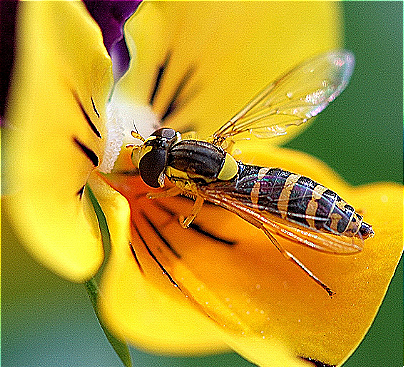
Throughout recent history, episodes of sharp reductions in bee populations have occurred in various parts of the world, documented in particular in the 1880s, 1921, and the 1960s. In each of these periods, millions of bees disappeared in an apparently sudden manner, raising questions that are still not entirely resolved today.
The causes of these events have been hypothesized, but not always definitively demonstrated. Over time, the disappearances have been attributed to a combination of biological, environmental, and anthropogenic factors, including viruses, parasites, changes in agricultural practices, and the increasing use of chemical substances. However, for many of these historical episodes, it has not been possible to identify a single certain and unambiguous cause.
An analysis by historical period makes it possible to highlight the main factors potentially involved:
1880s
During this phase, agricultural practices underwent profound change, with the onset of industrialization in the sector. Although there are no systematic records of a global collapse of bee populations, it is plausible that the progressive loss of natural habitats and the earliest forms of use of chemical substances in agriculture began to exert negative pressure on pollinators.
1921
In this period, bee diseases and parasites became more evident, such as Nosema, caused by parasitic microorganisms, and the Varroa mite, now recognized as one of the main stressors for colonies. At the same time, the use of synthetic pesticides became more widespread, increasing the risk of chronic bee exposure to toxic substances.
1960s
This decade was characterized by massive use of persistent pesticides, including DDT, later recognized as highly harmful to many non-target organisms, including bees. In addition, the spread of monoculture and intensive farming practices led to a sharp reduction in plant biodiversity, limiting the availability of essential food resources for pollinators. The interaction among pesticides, diseases, and habitat loss likely amplified the observed decline.
Overall, historical evidence indicates that bee decline cannot be traced back to a single factor, but is the result of a complex combination of causes, including pesticides, parasites, diseases, reduction of natural habitats, and environmental changes. This multifactorial nature makes the phenomenon particularly difficult to interpret and underscores the need for an integrated approach to protecting pollinating insects.

