



Poloxamer 188: properties, uses, INCI functions, safety
Poloxamer 188 is a chemical compound, non-ionic surfactant, biocompatible copolymer.oxirane, methyl-, polymer with oxirane (75;30) and is also known as P188 or Pluronic F-68.
It is obtained by polymerisation of ethylene oxide and propylene oxide in liquid form at a controlled temperature with a catalyst such as potassium hydroxide or sodium hydroxide.
It is obtained by polymerisation of ethylene oxide and propylene oxide in liquid form at a controlled temperature with a catalyst such as potassium hydroxide or sodium hydroxide. The synthesis process consists of the following steps:
It is obtained by polymerisation of ethylene oxide and propylene oxide in liquid form at a controlled temperature with a catalyst such as potassium hydroxide or sodium hydroxide. The synthesis process consists of the following steps:
- Reaction. Propylene oxide is reacted with a suitable initiator, such as propylene glycol, in the presence of a catalyst to form the polyoxypropylene core. The reaction takes place at high temperature and under pressure.
- Polymerisation. Ethylene oxide is added to the reaction and attaches to the ends of the polyoxypropylene core, forming polyoxyethylene building blocks. The reaction is catalysed and takes place under pressure and at high temperature. Polymerisation is stopped once the desired molecular weights for the polyoxypropylene and polyoxyethylene sections are reached.
- Purification. The resulting poloxamer is purified by a precipitation and filtration process. Ethylene oxide impurities should have been removed.
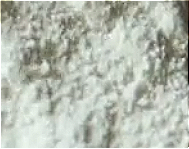
It appears in the form of a white powder.
What it is used for and where
Cosmetics
Surfactant - Cleansing agent. Cosmetic products used to cleanse the skin utilise the surface-active action that produces a lowering of the surface tension of the stratum corneum, facilitating the removal of dirt and impurities.
Surfactant - Emulsifying agent. Emulsions are thermodynamically unstable and are used to soothe or soften the skin and emulsify, so they need a specific, stabilising ingredient. This ingredient forms a film, lowers the surface tension and makes two immiscible liquids miscible. A very important factor affecting the stability of the emulsion is the amount of the emulsifying agent. Emulsifiers have the property of reducing the oil/water or water/oil interfacial tension, improving the stability of the emulsion and also directly influencing the stability, sensory properties and surface tension of sunscreens by modulating the filmometric performance.
Food
Poloxamer 188 functions as an emulsifier to create and stabilise emulsions of water and oil in sauces and bakery products with non-mixable ingredients and to avoid uneven distribution in the final product. It has a stabilising function particularly in creams, ice creams to give a homogeneous consistency.
Dispersing agent. Ingredient that can change and stabilise the surface characteristics of the suspension by coating the surface with insoluble or poorly soluble ingredients in a food system such as flavourings, colourings or other additives. It also improves the consistency and texture of some foods by making them softer.
Foam stabiliser to achieve the desired foam size in foam-based desserts, mousses, creams.
Medical
This study evaluated the effects of the combined use of two non-ionic surfactants, polyoxamer 188 and polysorbate 80 in nanovesicles - based on l2,3-di(tetradecyloxy)propan-1-amine cationic lipid - for the delivery of a gene to cells of the central nervous system (1).
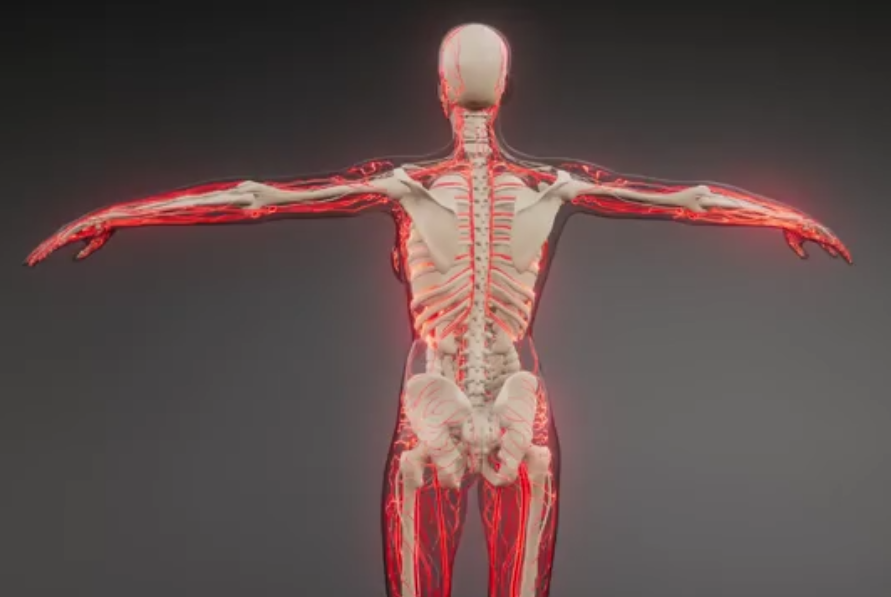
Poloxamer-188 (MST-188) is effective in the repair/recovery of damaged cell membranes (2).
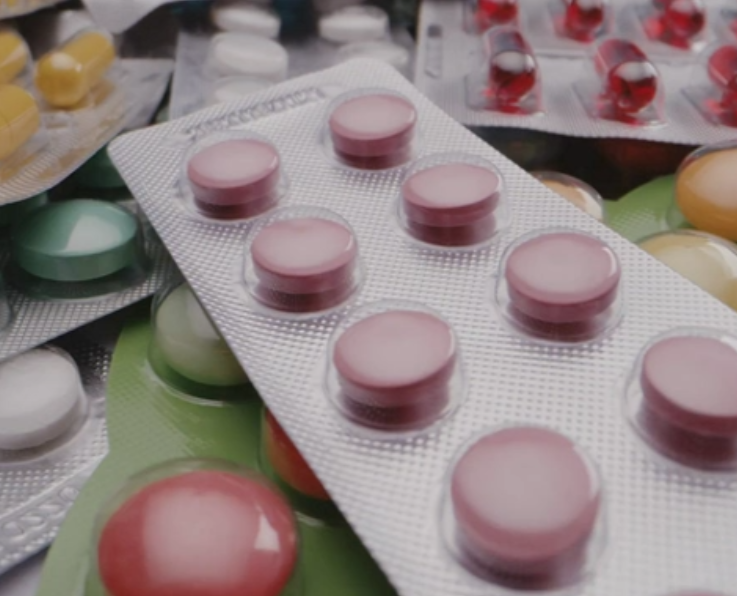
Poloxamer 188 has been used in the pharmaceutical industry as an excipient in various formulations and drug delivery systems (3).
In addition, Poloxamer 188 is used to stabilise proteins, enzymes and biomaterials, as a carrier for drugs, helping to improve their solubility, stability and bioavailability, to prevent cell and tissue adhesion during surgical procedures, as a cryoprotectant to preserve cells, tissues and organs during cryopreservation, and as an ophthalmic lubricant.
Safety
The available data demonstrate that Poloxamers that are introduced into the body via routes other than dermal exposure have a rapid clearance from the body, suggesting that there would be no risk of reproductive and/or developmental toxicity. Overall, the available data do not suggest any concern about carcinogenesis. Although there are gaps in knowledge about product use, the overall information available on the types of products in which these ingredients are used, and at what concentration, indicates a pattern of use. Based on these safety test data and the information that the manufacturing process can be controlled to limit unwanted impurities, the Panel concluded that these Poloxamers are safe as used (4).

Optimal typical characteristics of Poloxamer 188 commercial product
| Clarity and color of solution | Clear and colorless |
| Acid | Red solution |
| Average molecular weight | 7680 g/mol-9510 g/mol |
| Ph value (25g/l in water) | 6.0-7.5 |
| Ph value (100g/l in water) | 5.0-7.0 |
| Oxyethylene | 79.9%-83.7% |
| Total ash | <0.4% |
| Residue on ignition | <0.30 |
| Insaturation | 0.031mEq/G-0.65mEq/ |
| Water | <0.75% |
| Heavy metals | <0.002% |
| BHT stabilizer | 50ppm-25ppm |
| Congealing point | 50°C-62°C |
| 1.4 dioxane | <5.0ppm |
| Ethylene oxide | <1.0ppm |
| Propylene oxide | <5.0ppm |
| Arsenic | <2ppm |
- Molecular Formula : C5H10O2
- Linear Formula: (C3H6O · C2H4O)x
- Molecular Weight: 102.13 g/mol
- CAS: 9003-11-6
- UNII
- EC Number:
- DSSTox Substance ID:
- InChI=1S/C3H6O.C2H4O/c1-3-2-4-3;1-2-3-1/h3H,2H2,1H3;1-2H2
- InChI=1S/C3H6O.C2H4O/c1-3-2-4-3;1-2-3-1/h3H,2H2,1H3;1-2H2
- SMILES CC1CO1.C1CO1
- IUPAC 2-methyloxirane;oxirane
- ChEBI 32026
- MDL number MFCD00082049
- PubChem Substance ID
- NACRES NA.24
Synonyms:
- Pluronic
- Parteck® PLX 188
- Detalan
- Pluracare
- Therabloat
- Poloxalene
- Poly(ethylene glycol)-block-poly(propylene glycol)-block-poly(ethylene glycol)
- alpha-Hydro-omega-hydroxypoly(oxyethylene)(sub a)-poly(oxopropylene)(sub b)-poly(oxyethylene)(sub a) block copolymer
- MDL number MFCD00082049

