



Aluminium lactate is a chemical component used in cosmetic and pharmaceutical products for its astringent and antiperspirant properties. It is often found in deodorants and skincare products to reduce sweating and as a soothing and moisturizing agent.
The name describes the structure of the molecule:
- Aluminium refers to aluminum, a metallic element. In the context of this compound, aluminum is used to form a salt.
- lactate refers to the salt or ester of lactic acid. Lactic acid is an organic acid known for its moisturizing properties and pH-regulating abilities
Raw Materials and Their Functions
Lactic Acid. An organic acid that reacts with aluminum to form aluminium lactate. It is used for its buffering and moisturizing properties.
Aluminum. A metallic element that reacts with lactic acid to form aluminium lactate.
Industrial Chemical Synthesis of Aluminium Lactate
- Reaction. The process begins with the reaction of lactic acid with an aluminum base, such as aluminum hydroxide, to form aluminium lactate.
- Reaction Control. The saponification reaction is monitored to ensure that the ratio of lactic acid to aluminum is correct and the desired salt is formed.
- Purification. After the reaction, aluminium lactate is purified to remove impurities and by-products.
- Quality Control. The purified aluminium lactate undergoes quality checks to ensure it meets the required standards. After quality control, it is packaged for use in cosmetic, pharmaceutical, and skincare products, where it utilizes its astringent and antiperspirant properties.
Form and Color
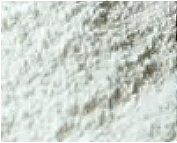
Aluminium Lactate is typically a solid in powder form. This compound is usually white or slightly yellowish.
What it is used for and where
Medical
Studies
Dental plaque and gingivitis
The aim of the study was to determine the plaque and gingivitis reducing effect of a dentifrice containing chlorhexidine and aluminium lactate compared with a control toothpaste during the course of 6 months. After 6 months of product use, both groups had less gingivitis compared with the baseline evaluation (p<0.001). At this time point, the test group showed a statistically significant lower gingival index values compared with the control group (p=0.001). No statistically significant differences between either the groups or time points were detected with regard to plaque index and the development of calculus and staining. Although there was a statistically significant difference at 6 months between test and control groups, this difference was too small to be considered clinically meaningful (1).
Another study compared the plaque inhibition efficacy of a novel 0.454% stannous fluoride (SnF2) test dentifrice with sodium hexametaphosphate and stannous chloride to a chlorhexidine digluconate (0.05%), aluminium lactate (0.8%), and aluminium fluoride marketed control dentifrice (Lacalut Aktiv or AlF3/Chx). Compared to the AlF3/Chx control dentifrice, the novel SnF2 test dentifrice significantly inhibited plaque regrowth overnight and during the day. Immediately after brushing there was also significantly less plaque coverage with the SnF2 test dentifrice (2).
Pulmonary inflammation
The Aluminum lactate has shown some results in the persistent inflammation and associated excessive oxidative stress that have been crucially implicated in quartz-induced pulmonary diseases (3).
Cosmetics
Deodorant agent. When substances that give off an unpleasant odour are included in cosmetic formulations (typical examples are methyl mercaptan and hydrogen sulphide derived from garlic), deodorants attenuate or eliminate the unpleasant exhalation. It helps counteract the formation of bad odours on body surfaces.
Buffering agent. It is an iingredient that can bring an alkaline or acid solution to a certain pH level and prevent it from changing, in practice a pH stabiliser that can effectively resist instability and pH change.
Cosmetic astringent. This ingredient exerts a direct effect on the skin by tightening dilated pores by contracting stratum corneum cells and removing superfluous oil.
Molecular Formula C9H15AlO9
Molecular Weight 294.19
CAS 18917-91-4
Safety
Careful consideration should be given to the risk of cumulative aluminum intake, which cannot be ruled out because this ingredient can be found in both cosmetic products and widely consumed food products such as bread, various baked goods (4).

