



Octylisothiazolinone: properties, uses, INCI functions, safety, alternatives
Octylisothiazolinone (2-octyl-isothiazol-3(2 H)-one) is a chemical compound that belongs to the class of isothiazolinones, broad-spectrum microbicides.
Octylisothiazolinone is a synthetic preservative primarily used in cosmetic, personal care, and industrial products to prevent the growth of bacteria, fungi, and mold. This ingredient is highly effective at low concentrations and is used to extend the shelf life of products by preventing microbial contamination. It is widely used in water-based products, such as shampoos, body washes, and cleaning agents.
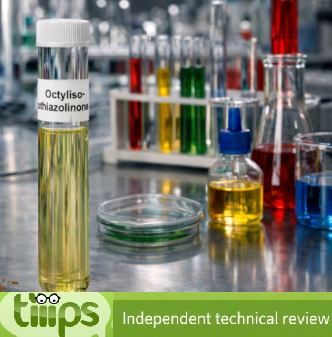
Chemical Composition and Structure
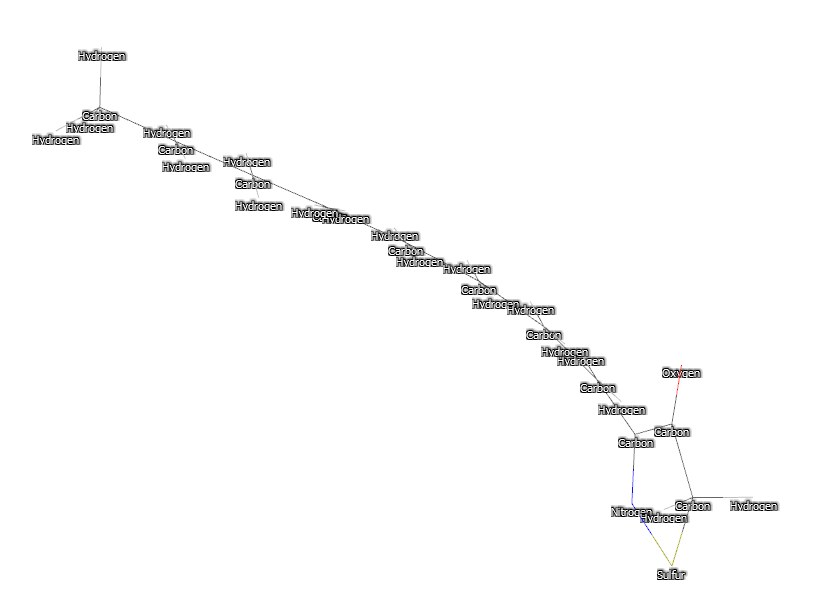
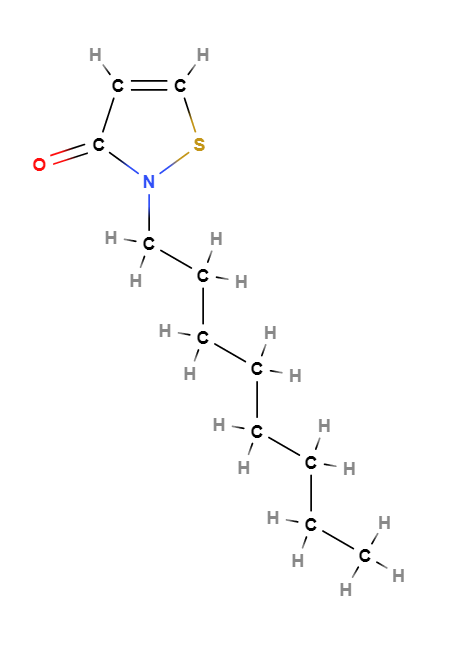
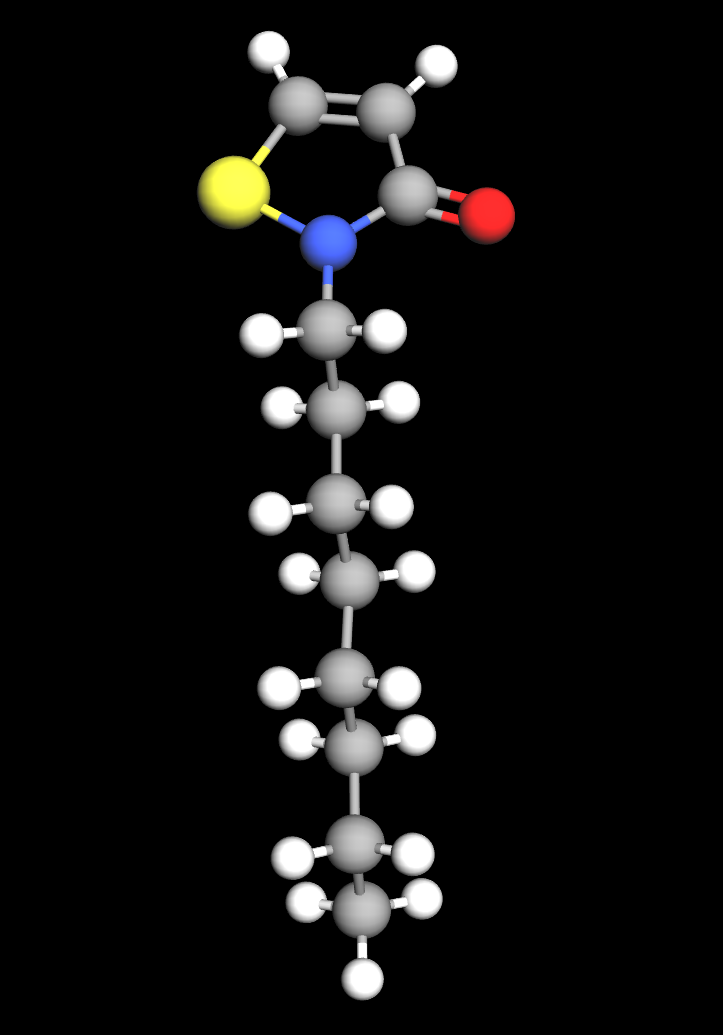
Octylisothiazolinone belongs to the isothiazolinone family, a group of chemical compounds known for their strong antimicrobial properties. The chemical structure of Octylisothiazolinone includes an isothiazolinone ring attached to an octyl alkyl chain, which gives it long-lasting action and stability in cosmetic and industrial formulations.
Physical Properties
It typically appears as a clear or slightly yellowish liquid. It is soluble in various organic solvents and can be dispersed in aqueous solutions. Octylisothiazolinone is particularly stable across a range of temperatures and pH levels, making it suitable for many applications in cosmetics and personal care products.
Production Process
Octylisothiazolinone is synthetically produced through the reaction of isothiocyanates with other chemicals to form the isothiazolinone ring, followed by the addition of an octyl chain to enhance its lipophilicity and durability. The final product is purified for use in industrial and cosmetic applications.
The name describes the structure of the molecule:
- Octyl refers to the octyl group, which is a functional group consisting of 8 carbon atoms. It is derived from octane, which has the formula C8H18.
- Isothiazolinone is a type of heterocycle that contains a five-member ring composed of three carbon atoms, a nitrogen atom, and a sulfur atom. Isothiazolinones are often used as biocides.
Description of raw materials used in production:
- 2-Octanone - A ketone used as a starting point for the synthesis of octylisothiazolinone.
- Hydrochloric acid and Carbon disulfide - These reagents are utilized in the formation of the isothiazolinone ring.
The synthesised extraction process takes place in three steps:
- Formation of the isothiazolin ring. The first step involves the reaction of an amine, such as ammonia or a primary or secondary amine, with carbon disulphide in a process known as the Willgerodt-Kindler reaction. A dithiocarbamate salt is thus formed.
- Oxidation. The dithiocarbamate salt is oxidised using hydrogen peroxide or another suitable oxidising agent. An isothiazolinone ring is thus formed.
- Alkylation. The third and final step involves the formation of an octyl group: Octylisothiazolinone is thus formed.
What it is used for and where
Octylisothiazolinone is a biocide, i.e. it can kill microorganisms. It is often used as a preservative in products such as paints, coatings and personal care products to prevent the growth of bacteria and fungi. It is effective at very low concentrations and is active against a wide range of microorganisms. However, it can cause allergic reactions in some people, so its use is regulated in many countries.
Cosmetics
Octylisothiazolinone is a preservative, antibacterial and fungicide used by cosmetic industry and in cleaning products and commonly used to control the growth of microorganisms such as fungi, bacteria, and yeasts in water cooling systems and cosmetics.
- Antimicrobial agent. This ingredient is able to suppress or inhibit the growth and replication of a broad spectrum of microorganisms such as bacteria, fungi and viruses by making the stratum corneum temporarily bactericidal and fungicidal.
Other uses
It is also used as a preservative in polymer-based paints and to prevent the growth of moulds and bacteria.
It belongs to the group of biocides regulated by the European Union (1).
Commercial applications
Preservative in Cosmetic Products. Octylisothiazolinone is used to prevent microbial growth in cosmetic products, extending their shelf life.
Preservative in Hair Care Products. It is used in shampoos, conditioners, and other hair products to keep the formula stable and free of microbes.
Preservative in Cleaning Products. It is used in detergents, soaps, and other cleaning products to prevent microbial contamination.
Preservative in Household Products. It is used in paints, adhesives, and other household products to prevent the growth of fungi and bacteria.
Alternatives
| Option (INCI) | Product type | Key advantages |
|---|---|---|
| Gluconolactone (and) Sodium Benzoate | Organic-acid based preservative system | Mild profile, commonly used in natural-origin concepts; performance is typically best at acidic pH (validate via challenge testing). |
| Benzyl Alcohol (and) Dehydroacetic Acid | Preservative blend | Widely used in cosmetics, generally compatible across leave-on and rinse-off; often selected to avoid high-sensitization preservative classes (needs correct pH and use level). |
| Sodium Benzoate | Preservative salt (benzoic acid) | Simple, common option; most effective at lower pH, suitable for cleansers and pH-controlled leave-on systems. |
| Potassium Sorbate | Preservative salt (sorbic acid) | Good option for acidic systems; frequently combined with other components to improve coverage against yeasts and molds. |
| Levulinic Acid (and) Sodium Levulinate (and) Sodium Anisate | “Nature-identical” preservative system | Strong natural-origin positioning; synergistic in blends, usually requires acidic pH and supportive formulation choices. |
Studies
Among others, 2-octyl-isothiazol-3(2H)-one (OIT) is used as a film preservative in aqueous polymer resin paints and serves to prevent the growth of moulds and bacteria. It is known that biocides leach from facades with rainwater and end up in the environment through rainwater runoff. In the present study, leaching and where OIT used in façade coatings will disperse were determined under natural conditions. Potential phototransformation products were initially identified in laboratory experiments using UV light. Subsequently, the leaching of OIT and seven degradation products were studied on artificial walls equipped with organic top coats formulated with OIT. A mass balance, including the amounts of leached and residual OIT and its seven transformation products, can explain up to 40% of the initial amount of OIT. The OIT remaining in the material after 1.5 years is by far the largest fraction. The study shows that in the assessment of biocides in the lining material, transformation products have to be taken into account both in the leachate and in the material. In addition, in the case of volatile degradation products, emissions to the air could be relevant (2).
Insecticides. The two most commonly used constituents in insecticides aimed at combating whiteflies and aphids are chloromethylisothiazolinone and methylisothiazolinone, which are used at concentrations below or at least similar to the upper limit of these chemical compounds permitted in cosmetic products. In this study, it is considered that octylisothiazolinone can also be used to combat whitefly and green peach aphid with an acceptable level of toxicity (3).
Safety
Cases of allergy to the product have been reported (4).
In view of the exceptionally high incidence of contact allergy to the preservative methylisothiazolinone, this study deemed it necessary to know the reactivity between methylisothiazolinone, octylisothiazolinone and benzisothiazolinone. The results indicate that individuals sensitised to methylisothiazolinone may react to octylisothiazolinone and benzisothiazolinone if exposed to sufficient concentrations (5).
Health and Safety Considerations
Safety in Use
Octylisothiazolinone is effective at very low concentrations, but it can cause sensitization or skin irritation in some individuals, particularly those with sensitive skin. For this reason, its concentration in cosmetic products is strictly regulated, especially in leave-on products.
Allergic Reactions
Allergic reactions to Octylisothiazolinone are possible, particularly in individuals prone to contact dermatitis. Due to the risk of sensitization, limited use and adherence to maximum concentration guidelines set by regulatory authorities are recommended.
Toxicity and Carcinogenicity
There is no evidence that Octylisothiazolinone is carcinogenic. However, prolonged use or exposure to high concentrations can lead to skin irritation. It is important to follow safety guidelines on maximum allowable concentrations to avoid irritation risks.
Environmental and Safety Considerations
Octylisothiazolinone is not easily biodegradable and can accumulate in the environment, particularly in aquatic ecosystems, where it may negatively impact wildlife. Therefore, it should be used cautiously, and environmental regulations should be followed to limit its release into the environment.
Regulatory Status
The use of Octylisothiazolinone in cosmetic and industrial products is regulated in many regions, including the European Union and the United States. In Europe, strict limits are imposed on the concentration of this preservative in cosmetic products, especially in leave-on formulations, to reduce the risk of sensitization.
The most relevant studies on this chemical compound have been selected with a summary of their contents:
Typical optimal characteristics of the commercial product 2-N-octyl-4-isothiazolin-3-one
| Appearance | Light yellow transparent thick liquid |
| Density | 1.0±0.1 g/cm3 |
| pH Value At 20°C 1%W/V In Water | 4.0-7.0 |
| Melting point | <25 °C |
| Boiling point | 120°C |
| Water Content ( Karl Fischer Method %) | 0.5 max |
| Propylene Glycol (%) | 50-55 |
 |  |
 |  |
- Molecular Formula : C11H19NOS
- Molecular Weight : 213.339
- CAS : 26530-20-1
- UNII 4LFS24GD0V
- EC Number: 247-761-7
- DSSTox Substance ID:
- MDL number MFCD00072473
- PubChem Substance ID 329756598
- InChI=1S/C11H19NOS/c1-2-3-4-5-6-7-8-10-11(13)9-14-12-10/h2-9H2,1H3
- PILWLJVFXLZGMS-UHFFFAOYSA-N
- SMILES CCCCCCCCC1=NSCC1=O
- IUPAC 3-octyl-1,2-thiazol-4-one
- ChEBI
Synonyms :
- 2-Octyl-4-isothiazolin-3-one
- 2-Octyl-3-isothiazolone
- EINECS 247-761-7
- 4-Isothiazolin-3-one, 2-octyl-
- Octyl-3(2H)-isothiazolone
- 3(2H)-Isothiazolone, 2-octyl-

