



Quinoa (Chenopodium quinoa)
Description
Quinoa is an annual herbaceous plant belonging to the family Amaranthaceae, traditionally cultivated in the Andean region (notably Peru, Bolivia and Ecuador). It has been grown for thousands of years by indigenous populations as a staple crop and has more recently spread worldwide thanks to its remarkable nutritional profile and agronomic adaptability (tolerance to altitude, cold and poor soils).
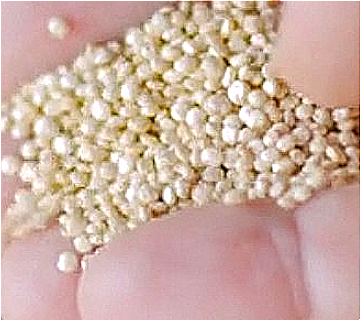
The edible part is the seed, a small, usually round or slightly oval grain, only a few millimetres in diameter. Seed colour varies with the variety: white (or ivory), red, purple, black and intermediate shades are all possible. Each seed is covered by a thin outer layer that contains saponins, natural bitter-tasting compounds that protect the plant against pests and birds. These saponins must be washed off (or mechanically removed) before consumption.
From a culinary standpoint, quinoa is often classed as a pseudo-cereal: it is not a true cereal botanically (not a grass) but is used like grains such as rice or wheat. Once cooked, the seeds become tender yet slightly al dente, with a light, mildly nutty flavour and the characteristic “halo” of the germ that curls away from the seed.
Botanical classification
Common name: Quinoa
Clade: Angiospermae
Order: Caryophyllales
Family: Amaranthaceae
Genus: Chenopodium
Species: Chenopodium quinoa Willd.
Climate
Quinoa is a species native to the Andean regions and adapts well to temperate, semi–arid and even cool climates, with a remarkable ability to tolerate wide temperature ranges and high altitudes. It withstands drought and moderately cold conditions relatively well, but it is sensitive to frost during flowering and seed ripening, which can compromise yield. Excess moisture and prolonged rainfall, especially close to maturity, increase the risk of lodging and disease on the panicles.
Exposure
The ideal exposure is full sun, which promotes good photosynthesis, balanced vegetative growth and regular flowering. In warmer environments, quinoa benefits from good air circulation, which helps to limit humidity on foliage and reduce the incidence of fungal diseases. Positions that are too shaded lead to weaker, elongated plants with lower seed production.
Soil
Quinoa is a fairly rustic crop and adapts to different soil types, from light, sandy soils to medium–textured ones, as long as they are well drained. It grows best in moderately fertile soils with a pH from slightly acidic to neutral, but it can also tolerate some salinity and poor soils where many other crops would struggle. Waterlogging should be avoided, as it favours root rot and collar diseases.
Irrigation
Under extensive cultivation conditions, quinoa can be grown with limited water inputs, relying largely on natural rainfall, especially in semi–arid areas. However, in critical stages such as emergence, early growth and flowering, supplemental irrigation can improve crop uniformity and final yield. It is important not to over–irrigate, keeping the soil only moderately moist and always ensuring good drainage.
Temperature
The optimal temperature range for germination and early development is generally between 10 and 20 °C. Quinoa also tolerates higher temperatures during vegetative growth, provided there is no severe water stress. During flowering and seed ripening, late frosts or sudden temperature drops can cause flower abortion or reduce harvest quality, while extreme heat combined with drought can decrease seed size.
Fertilization
Quinoa has moderate nutrient requirements compared to many other crops and makes good use of residual soil fertility. The application of well–matured organic matter before sowing improves soil structure and nutrient availability, while light, balanced mineral fertilization (nitrogen, phosphorus, potassium) may be advisable on very poor soils. Excessive nitrogen favours overly lush vegetative growth at the expense of seed production and increases the risk of lodging.
Crop care
Crop care focuses mainly on the early growth stages, when it is important to control weeds by light hoeing or, on smaller surfaces, by mulching. Once plants have reached a certain height, quinoa competes better with weeds. It is useful to monitor for possible pests and fungal diseases and to intervene only when necessary, giving priority to agronomic practices such as crop rotation and the choice of well–drained fields.
Harvest
Harvesting takes place when panicles are fully mature and seeds are well formed, dry and easily detachable. Seed moisture must be sufficiently low to minimise the risk of mould during storage; often, after harvesting, quinoa is further dried in a ventilated environment. The seeds are then cleaned and de–saponified to remove the saponins on the outer coat, which are responsible for the bitter taste.
Propagation
Propagation is by seed. Sowing is usually done directly in the field, in rows, on well–prepared and finely worked soil, adjusting sowing depth according to soil texture (shallower in heavy soils, slightly deeper in lighter ones). It is important to ensure even seed distribution and, after emergence, thinning may be carried out to give each plant enough space to develop and produce a well–formed panicle.
Indicative nutritional values per 100 g
(Raw quinoa, dry seeds, average values)
Energy: ~ 370–380 kcal
Water: ~ 10–12 g
Total carbohydrates: ~ 64–66 g
Dietary fiber: ~ 7–8 g
Proteins: ~ 13–14 g
Total fats: ~ 5–7 g
of which SFA (saturated fatty acids): ~ 0.7–1 g
of which MUFA (monounsaturated fatty acids): ~ 1–2 g
of which PUFA (polyunsaturated fatty acids): ~ 3–4 g (mainly n-6 linoleic acid with small amounts of n-3)
Minerals: significant amounts of magnesium, phosphorus, potassium, iron, zinc
Vitamins: B-group vitamins, vitamin E (tocopherols) and other micronutrients in smaller quantities
Values vary slightly depending on cultivar, growing conditions and analytical reference.
Key constituents
Complex carbohydrates with a meaningful dietary fiber fraction
High-quality plant proteins, with a relatively complete amino acid profile (including essential amino acids such as lysine, often low in cereals)
A modest but nutritionally relevant fraction of unsaturated fats (MUFA and PUFA)
Minerals: magnesium, phosphorus, potassium, iron, zinc and trace elements
Vitamins: B-group vitamins (e.g. folate, riboflavin, thiamine) and vitamin E
Bioactive compounds: saponins (in the outer layer), phytosterols, phenolic compounds and other antioxidants
Production process
Cultivation
adapted to high altitudes and cool climates
grows best in well-drained soils; tolerant of relatively poor, marginal soils
Harvest
plants are cut when seeds have fully matured and dried on the plant
Threshing and cleaning
seeds are separated from the panicles and plant residues
impurities (dust, fragments, stones) are removed
De-saponification (cleaning of saponins)
industrially: mechanical abrasion and/or wet washing
domestically: careful rinsing under running water before cooking
Drying and packaging
seeds are dried back to a safe moisture level and then packed (bags, boxes, etc.) for long-term storage
Physical properties
small, round to slightly oval seeds (a few millimetres in diameter)
colour varieties: white/ivory, red, purple, brown, black
raw seeds: dry, hard, with a thin outer layer rich in saponins
cooked seeds: tender but defined, with visible germ ring, slightly translucent endosperm and a light, fluffy structure
Sensory and technological properties
taste: mild, slightly nutty and earthy; if saponins are not properly removed, a noticeable bitter taste may be present
aroma: delicate, cereal-like, not overpowering
texture after cooking: soft but not mushy, with grains remaining distinct and slightly al dente
high versatility:
works well in boiled, steamed or pilaf-style preparations
can absorb flavours from broths, spices and sauces
forms a good base for salads, side dishes, grain bowls and patties
Food applications
grain alternative: replacement for rice, couscous, bulgur or pasta in many dishes
salads and cold dishes: quinoa salads with vegetables, legumes, cheese, seeds, dressings
soups and stews: added to increase protein and fiber content
breakfast and energy dishes: warm cereals, porridge, granola mixes
vegetarian and vegan products: burgers, patties, stuffings in combination with legumes and vegetables
bakery and pastry: quinoa flour as a gluten-free ingredient in breads, cakes, biscuits and pancakes (often blended with other flours)
Nutrition and health
Quinoa is often highlighted for its nutritional density and is particularly interesting in modern dietary patterns:
provides complete plant protein, important in vegetarian and vegan diets
offers dietary fiber which contributes to intestinal regularity, satiety and glycaemic control when part of a balanced meal
contains unsaturated fats (mainly PUFA and MUFA), favourable in the context of a varied diet and healthy fat profile
supplies minerals (magnesium, phosphorus, iron, zinc) important for energy metabolism, bone health and muscle function
is naturally gluten-free, making it suitable for individuals with coeliac disease or gluten sensitivity
its relatively low glycaemic index (when properly cooked and eaten with other fibre-rich foods) can be beneficial for metabolic balance
As with any energy-dense food, very large portions may add a substantial calorie load; it is therefore best combined with plenty of vegetables and other nutrient-dense ingredients.
Portion note
A typical serving of cooked quinoa is about 60–80 g (cooked weight), corresponding roughly to 20–25 g of dry seeds per person as a side dish. In a main dish or “grain bowl”, the portion can be slightly higher, depending on overall meal composition and energy needs.
Allergens and intolerances
quinoa is naturally gluten-free, so it is usually suitable for people with coeliac disease or gluten intolerance (as long as there is no cross-contamination with gluten-containing grains)
most people tolerate quinoa well; however, residual saponins may cause digestive discomfort or bitterness if the seeds are not washed adequately
rare individual sensitivities to specific plant proteins or pseudo-cereals are possible; in such cases, gradual introduction and monitoring is advisable
Storage and shelf-life
dry seeds
store in a cool, dry place, away from direct light and strong odours
keep in airtight containers after opening the package
shelf-life is typically many months if protected from moisture and heat
cooked quinoa
store in the refrigerator in a closed container
ideally consume within 1–2 days
not recommended for extended storage due to risk of microbial growth and texture loss
Safety and regulatory
Quinoa, as a food grain, is generally regarded as safe. Key safety considerations include:
adequate removal of saponins, which are bitter and may irritate the digestive tract in large amounts
hygienic cultivation, harvesting and processing practices (as for other cereal and pseudo-cereal products)
appropriate controls for contaminants, moisture content and storage conditions to prevent mould growth or infestation
Regulatory frameworks typically treat quinoa similarly to other grains and pseudo-cereals, with attention to gluten-free labelling where applicable.
Labeling
On packaged quinoa, labels typically include:
product name: “quinoa” (sometimes specifying colour: white, red, black, tricolour)
net weight
country of origin or production region, where required
storage instructions (cool, dry place; once opened, close tightly)
cooking instructions (water-to-grain ratio, cooking time, rinsing recommendation)
gluten-free indication if certified according to local regulations
any claims (organic, fair trade, wholegrain) supported by documentation
Troubleshooting
bitter taste after cooking
likely due to residual saponins
solution: rinse thoroughly under running water, rubbing the seeds gently before cooking
mushy or overly soft texture
water-to-grain ratio may be too high, or cooking time too long
solution: reduce cooking water, shorten cooking time, let the quinoa rest covered to finish steaming
hard or undercooked centre
insufficient cooking time or too little water
solution: add a small amount of water and continue gentle cooking until the germ ring separates and the texture is tender
off or rancid flavour
possible poor storage conditions or prolonged shelf-life
solution: check best-before date and storage; discard if clearly rancid or stale
Main INCI functions (cosmetics)
Quinoa is not among the most common cosmetic plants, but quinoa-derived ingredients (e.g. hydrolyzed quinoa protein, quinoa seed extract) may be used for:
skin conditioning: helping to keep skin in good condition, offering a soft, smooth feel
hair conditioning: quinoa protein hydrolysates can support hair strength, shine and manageability in shampoos and conditioners
film-forming and texturizing roles in lotions and creams, improving sensorial profile
positioning in natural and plant-based formulations, contributing to the marketing value of “superfood-inspired” cosmetics
These uses are still more niche compared with classic plant oils and extracts, but they are increasingly present in modern formulations.
Conclusion
Quinoa (Chenopodium quinoa) is an ancient Andean seed that today plays a central role in modern, health-oriented diets. It offers a rare combination of complete plant protein, dietary fiber, unsaturated fats, minerals and vitamins, all in a versatile grain-like format that fits savoury and sweet preparations alike. Its gluten-free nature makes it especially valuable for people with coeliac disease or gluten sensitivity, while its neutral, mildly nutty flavour allows it to adapt to countless culinary traditions.
From a nutritional standpoint, quinoa acts as a bridge between cereals and legumes, helping diversify carbohydrate and protein sources and enriching meals with micronutrients and bioactive compounds. Provided that saponins are adequately removed and portions are balanced within the overall diet, quinoa can be considered a nutrient-dense, multifunctional staple suited to contemporary nutritional needs. Its emerging role in cosmetic formulations through quinoa-derived proteins and extracts further extends its relevance beyond the kitchen, although its primary importance remains firmly anchored in the food domain.
Studies
The total amount of phenolic acids varies from 16.8 to 59.7 mg/100 g and the proportion of soluble phenolic acids varies from 7% to 61%. The phenolic acid content in Andean crops is low compared with common cereals like wheat and rye, but is similar to levels found in oat, barley, corn and rice. The flavonoid content of quinoa and kañiwa is exceptionally high, varying from 36.2 to 144.3 mg/100 g (2).
Potential health benefits
Quinoa protein has a balanced amino acid composition being rich in essential amino acids such as lysine (5.1–6.4%) and methionine (0.4–3.1%). The total dietary fiber content of quinoa grains (average of 4.1%) compares favorably with those of wheat (2.7%) and corn (1.7%). Moreover, the amounts of calcium, magnesium, iron, and phosphorus (especially calcium and iron) are significantly higher than in most other cereals. Quinoa oil is rich in polyunsaturated fatty acids such as linoleic and linolenic acid, which have the potential to help in degenerative diseases such as cardiovascular diseases, cancer, inflammatory and autoimmune diseases. Quinoa grains have high concentrations of polyphenols and antioxidants such as α‐ and γ‐tocopherol—compounds suggested to have anticarcinogenic and anti‐inflammatory activities. They are also a good source of vitamin C, E, and folic acid (3).
Increasing the utilisation of plant proteins is needed to support the production of protein-rich foods that could replace animal proteins in the human diet so as to reduce the strain that intensive animal husbandry poses to the environment. Lupins, quinoa and hempseed are significant sources of energy, high quality proteins, fibre, vitamins and minerals. In addition, they contain compounds such as polyphenols and bioactive peptides that can increase the nutritional value of these plants. From the nutritional standpoint, the right combination of plant proteins can supply sufficient amounts of essential amino acids for human requirements. This review aims at providing an overview of the current knowledge of the nutritional properties, beneficial and non-nutritive compounds, storage proteins, and potential health benefits of lupins, quinoa and hempseed (4).
Quinoa (Chenopodium quinoa Willd.) and amaranth (Amaranthus cruentus L.) are pseudocereal grains rich in both macronutrients and micronutrients including vitamins and minerals. The proteins are particularly of high nutritional quality due to the outstanding balance of essential amino acids. However, recent research strongly suggests that nonessential nutrients such as phytochemicals of quinoa and amaranth may also have potential health beneficial effects. This review focuses on the phytochemical composition of quinoa and amaranth seeds, the antioxidant and anti-inflammatory activities of hydrophilic (e.g. phenolics, betacyanins) and lipophilic (e.g. fatty acids, tocopherols, and carotenoids) nutrients, and how these contribute to the potential health benefits, especially in lowering the risk of the oxidative stress related diseases e.g. cancer, cardiovascular disease, diabetes, and obesity (5).
The good amount of essential fatty acids present in Quinoa have been shown to mitigate degradation, dehydration and inflammation of epidermal tissues by virtue of their antioxidant properties (6). Quinoa oil and extract are often included in sunscreen products as the polyphenols contained in Quinoa are able to absorb UV radiation (7).
Mini-glossary
Pseudo-cereal: a non-grass plant whose seeds are used like cereals (e.g. quinoa, amaranth, buckwheat)
Saponins: natural surfactant compounds with a bitter taste found in the outer layer of quinoa seeds; they must be removed by washing before consumption
SFA (saturated fatty acids): type of fat that, in excess, is generally considered less favourable for cardiovascular health
MUFA (monounsaturated fatty acids): fats linked to beneficial effects on blood lipids when they replace saturated fats in a balanced diet
PUFA (polyunsaturated fatty acids): include omega-6 (e.g. linoleic acid) and omega-3 (e.g. alpha-linolenic acid), essential in small amounts for human health

