



Chamomile (Matricaria chamomilla / Matricaria recutita)
Description
Chamomile (Matricaria chamomilla or Matricaria recutita, family Asteraceae) is an annual herb characterised by small daisy-like flower heads with white ray florets and a yellow central disc. It is one of the most widely used medicinal plants and is mainly employed for herbal infusions, extracts and cosmetic formulations.
Aromatically, chamomile is recognisable by its sweet, floral, slightly honey-like and herbaceous fragrance, while the taste is delicate, mildly bitter and characteristic.
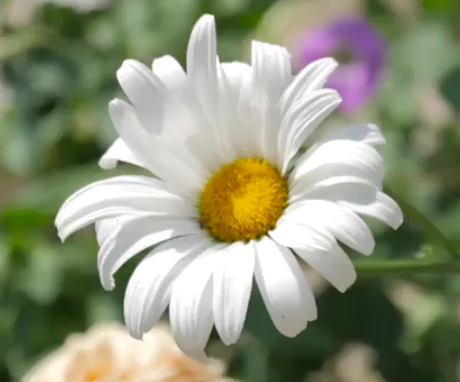
- Matricaria recutita or German chamomile, is the most widespread and known medicinal plant belonging to the family of Asteraceae, the classic chamomile.
- Anthemis nobilis or Roman Chamomile is the second medicinal plant that is less common, but has similar ingredients to Matricaria recutita.
Chamomilla recutita, commonly known as German chamomile, is a flowering plant renowned for its calming and anti-inflammatory properties. It is widely used in herbal medicine and skincare products for its soothing effects on the skin and digestive system. The plant is characterized by its daisy-like flowers and distinct aroma.
Botanical Classification:
- Kingdom: Plantae
- Order: Asterales
- Family: Asteraceae
- Genus: Chamomilla
- Species: Chamomilla recutita
Plant Characteristics:
Growth Form:Chamomilla recutita is an annual herb that typically grows to a height of 15-60 cm (6-24 inches). It has a branching, bushy habit with delicate, fern-like leaves.
Leaves: The leaves are pinnately divided, giving them a feathery appearance. They are green and often have a strong, aromatic scent when crushed.
Flowers: The plant produces small, daisy-like flower heads with white ray florets surrounding a yellow central disc. The flowers have a sweet, apple-like fragrance.
Chemical Composition and Structure:
Essential Oils: The essential oil of Chamomilla recutita contains components such as chamazulene, bisabolol, and alpha-bisabolol, which are responsible for its anti-inflammatory and soothing effects.
Flavonoids: It contains flavonoids such as apigenin and luteolin, which have antioxidant and anti-inflammatory properties.
Coumarins: The plant also contains coumarins, which contribute to its calming and anti-spasmodic effects.
Polysaccharides: The mucilaginous polysaccharides in chamomile have soothing and emollient properties.
How to Cultivate It:
- Soil: Chamomilla recutita prefers well-drained, sandy loam or loamy soil with a pH of 6.0-7.0. It can adapt to various soil types but thrives in moderately fertile soil.
- Climate: The plant grows best in temperate climates and prefers cooler temperatures. It is tolerant of light frosts but may struggle in extreme heat.
- Watering: Regular watering is important, especially during dry periods. The soil should be kept moist but not waterlogged.
- Fertilization: A balanced fertilizer can be used to promote healthy growth. Over-fertilization should be avoided to prevent excessive foliage growth at the expense of flower production.
- Pruning: Deadheading spent flowers can encourage further blooming. Minimal pruning is required beyond this.
Uses and Benefits:
- Medicinal Uses: Chamomilla recutita is widely used in herbal medicine for its anti-inflammatory, anti-spasmodic, and soothing properties. It is commonly used to treat digestive issues such as indigestion, bloating, and gas, as well as to alleviate symptoms of anxiety and insomnia. It is also used in topical treatments for skin conditions like eczema and dermatitis.
- Cosmetic Uses: The plant is incorporated into skincare products for its calming and anti-inflammatory effects. Chamomile extracts are used in lotions, creams, and masks to soothe irritated skin, reduce redness, and promote healing.
INCI Functions:
Fragrance. It plays a very important role in the formulation of cosmetic products as it provides the possibility of enhancing, masking or adding fragrance to the final product, increasing its marketability. It is able to create a perceptible pleasant odour, masking a bad smell. The consumer always expects to find a pleasant or distinctive scent in a cosmetic product.
Skin conditioning agent. It is the mainstay of topical skin treatment as it has the function of restoring, increasing or improving skin tolerance to external factors, including melanocyte tolerance. The most important function of the conditioning agent is to prevent skin dehydration, but the subject is rather complex and involves emollients and humectants that can be added in the formulation.
- Culinary Uses: Chamomile flowers are used in herbal teas for their calming effects and pleasant flavor. They are also used as a natural flavoring in some culinary dishes.
Applications:
- Pharmaceutical Industry: Chamomilla recutita extracts are used in the formulation of oral and topical treatments for various conditions, including digestive issues, skin irritations, and sleep disorders.
- Cosmetic Industry: The plant is a popular ingredient in skincare products due to its soothing and anti-inflammatory properties. It is used in products such as facial cleansers, moisturizers, and masks.
- Food Industry: Chamomile tea is a popular herbal beverage known for its relaxing and soothing effects. It is also used as a natural flavoring in some food products.
Environmental and Safety Considerations:
- Environmental Impact: Chamomilla recutita is generally non-invasive and does not pose significant environmental risks. It is commonly grown in garden settings and can be a beneficial addition to ornamental and medicinal plant collections.
- Safety: Chamomilla recutita is considered safe for most people when used appropriately. However, individuals with allergies to plants in the Asteraceae family (e.g., ragweed, daisies) should use caution.
Studies
Matricaria recutita and Anthemis nobilis provide an interesting essential oil (the main components of which are bisabololol alpha and its oxides A, B and C, matricin, which is converted into chamazulene for distillation, en-yn-dicycloethers and flavonic derivatives: apigenin, luteoline and apigenin-7-glucoside (3).
In many clinical trials, the anti-inflammatory activity of the ointment containing recutita Matricaria flower extract (treatment of patients suffering from inflammatory dermatosis on the hands, forearms and lower legs) was comparable to that Hydrocortisone 0.25% and higher than 0.75% foreign fluocortix and 5% bufexamac (non-steroidal anti-inflammatory synthetic drugs) (1).
The essential oil of chamomile and alpha bisabolol contained there, has demonstrated antibacterial and antifungal activity in vitro (mainly against Gram-positive bacteria, Staphylococcus aureus , Bacillus subtilis and fungi Candida albicans ) (2).
The flower is used for herbal teas, tablets, mouthwashes (3).
Despite being the most commonly used herb for sleep disorders, the efficacy and safety of chamomile (Matricaria recutita) for the treatment of primary chronic insomnia is still uncertain. This study found a modest benefit of chamomile over placebo on other sleep diary measures including sleep latency. The data from this study point to the possibility that chamomile extract may provide modest, mixed clinical benefits, at the doses evaluated, to patients with chronic primary insomnia. It is possible, however, that improvements in the chamomile group are due to nontreatment-related events such as natural disease course and regression to the mean (4).

