



White horehound ( Marrubium vulgare )
White horehound ( Marrubium vulgare , family Lamiaceae ) is a perennial herb traditionally used in herbal practice and, to a more limited extent, in flavoring food preparations. It is known for its bitter and balsamic sensory profile, mainly linked to constituents of the aerial parts.
Its main application interest concerns phytotherapy and over-the-counter products based on herbal extracts; in cosmetics it may appear as an extract for functional purposes (e.g., support for oily/blemish-prone skin or “comfort” formulations), depending on standardization and the supplier’s technical documentation.
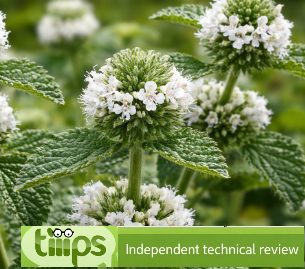
Table 1. Identification data and specifications (indicative)
| Characteristic | Data |
|---|---|
| Common names | White horehound, horehound |
| Botanical name | Marrubium vulgare |
| Botanical family | Lamiaceae |
| Botanical type | Perennial herb |
| Parts of interest | Flowering tops, leaves, aerial parts |
| Main commercial forms | Dried herb for infusion, powder, dry extract, hydroalcoholic extract, tincture |
| Chemical-physical properties (indicative) | Dried herb can be hygroscopic; extracts vary depending on solvent, assay, and drug/extract ratio |
| Energy value (indicative, 100 g dried herb) | About 250–330 kcal (indicative; varies with moisture and fiber fraction) |
Plant characteristics
The plant shows erect or ascending stems, often tomentose, with opposite leaves typical of Lamiaceae. Inflorescences are arranged in verticillasters; the surface may feel velvety due to hairs. From a sensory standpoint, the dried herb is characterized by a pronounced bitter taste and a herbaceous-resinous aroma.
Cultivation
It prefers sunny exposure and well-drained soils, including poor or calcareous soils. It is generally hardy, with good drought tolerance once established. Harvest for herbal use often focuses on flowering tops, selecting periods when the plant shows the best balance between yield and active-constituent content (variable with climate and phenology).
Table 2. Key constituents and functional profile (indicative)
| Characteristic | Data |
|---|---|
| Diterpene lactones | Marrubiin (characteristic constituent; associated with bitterness and part of the traditionally attributed activities) |
| Phenylpropanoids | Derivatives such as acteoside/verbascoside (indicative profile; contributes to antioxidant activity) |
| Flavonoids | Flavones and flavonols in variable amounts (supporting antioxidant activity) |
| Tannins | Possible presence with astringent effect (depends on plant part and extraction process) |
| Volatile components | Trace aromatic compounds (generally not dominant compared to other Lamiaceae) |
| Application implications | Profile consistent with traditional uses for respiratory and digestive function and with “purifying/comfort” cosmetic uses depending on extract type |
Main uses
Food: limited use as a bittering or flavoring plant in traditional preparations; the most practical food-related use is as an infusion or decoction, considering the pronounced taste.
Cosmetics: Marrubium vulgare extracts may be included in formulas for oily/blemish-prone skin or products aiming for a sense of balance and “fresh feel,” often in synergy with humectants and soothing agents; actual functionality depends on assay, solvent, and dosage.
INCI functions: skin conditioning agent; astringent (if supported by the derivative profile); antioxidant (if supported by phenolic constituents).
Medicine / pharmaceutical: in phytotherapy it is traditionally associated with uses as an expectorant and as support in respiratory tract discomfort, as well as a bitter-digestive role. Any health-related use requires attention to posology, standardization, and safety warnings.
Industrial use: possible use of standardized extracts as functional ingredients in herbal products, supplements, or cosmetics; for technical non-food/non-cosmetic applications, interest is generally secondary compared to other botanical matrices.
Environmental and safety considerations
Environmental impact: a species that can be cultivated with moderate inputs; supply-chain quality depends on cultivation/harvesting practices that preserve the resource and reduce contamination (dust, metals, residues). For extracts intended for cosmetics or supplements, origin traceability and contaminant control are important.
Safety: it is not commonly considered a “high-risk” plant in traditional use, but tolerability depends on dose, individual sensitivity, and form of use. Practical contraindications may include gastric irritation in individuals sensitive to bitter principles, caution in pregnancy/breastfeeding for uncontrolled internal use, and caution when combined with concomitant therapies without professional supervision. Regarding allergenicity, it is not typically classified as a priority food allergen, but it may cause reactions in individuals predisposed to Lamiaceae plants or extract constituents; in cosmetics, compatibility for reactive skin should be assessed based on supplier documentation.
Studies
In this study, the results show that a methanolic extract of Marrubiin protects the myocardium against acute myocardial infarction induced by isoproterenol and suggests that the effects may be related to antioxidant activity (1).
Methanol extract and Marrubin diterpene obtained from Marrubian leaves have demonstrated gastroprotective properties this effect can be partly attributed to isolated diterpene (2).
In Algeria, this plant is traditionally used against diabetes and, within it have been identified flavonoids, chlorogenic acid (3).
It also exerts an analgesic action, related to the presence of steroids and terpenes detected by TLC analysis (4) and an antispasmodic activity (5).

