



Millet (Panicum miliaceum L.)
The term millet commonly refers to the cereal obtained from the seeds of Panicum miliaceum L., an annual herbaceous species belonging to the Poaceae family, cultivated since ancient times in arid and semi–arid climates of Central Asia and now grown in many countries both for food use and as a forage crop. The plant has a relatively short growing cycle, good tolerance to drought, adaptation to light, well–drained soils, and generally requires low agronomic inputs. In the global agricultural context, millet plays an important role as an alternative crop in areas with limited water resources and as a component of traditional cropping systems.
From a botanical standpoint, millet is characterised by slender culms, lanceolate leaves, and panicle-type inflorescences, from which the small caryopses (grains) destined for harvest are produced. The seeds, sub–globose in shape with a smooth surface, vary in colour (white, yellow, orange, brown) depending on the variety. In addition to food use, Panicum miliaceum is also employed as a forage crop and, in some areas, for grain production intended for poultry feed.
The composition of millet includes a significant proportion of carbohydrates (starch), proteins, fibre, lipids (present in modest amounts), minerals (including phosphorus, magnesium, iron), and B–group vitamins. The absence of gluten makes millet suitable for the diet of people with gluten sensitivity or intolerance, while the presence of phenolic compounds and antioxidant substances contributes to the nutritional interest of the grain. Nutritional characteristics and digestibility are influenced by processing methods (dehulling, milling, cooking), which affect fibre content, nutrient bioavailability, and the functional properties of starches.
From a technological and food standpoint, millet is used in the production of semolina, flours, baked goods, porridges, and, in some traditions, fermented beverages. In the past, it was a staple food in various areas of Europe and Asia, while today it is also valued as an alternative ingredient in diets aimed at cereal diversification. Interest in this cereal species is driven by its agronomic efficiency, resistance to water stress, and potential use as a nutritious food in different climatic and production contexts.
Millet is an ancient grain valued for its digestibility and high nutritional content. It's an excellent source of energy, rich in fiber, protein, vitamins, and minerals, and serves as a gluten-free alternative to more common grains like wheat. It is used in various global cuisines in dishes ranging from porridges to soups to desserts.
Nutritional Profile (per 100 grams):
- Calories Approximately 378 kcal.
- Protein About 11 grams, providing a good source of plant-based protein.
- Fat About 4.2 grams, including essential fatty acids.
- Carbohydrates About 73 grams, with a high fiber content.
- Fiber About 8.5 grams, which helps improve digestion and prolong satiety.
- Vitamins and Minerals Rich in B vitamins, magnesium, phosphorus, iron, calcium, potassium, and zinc.
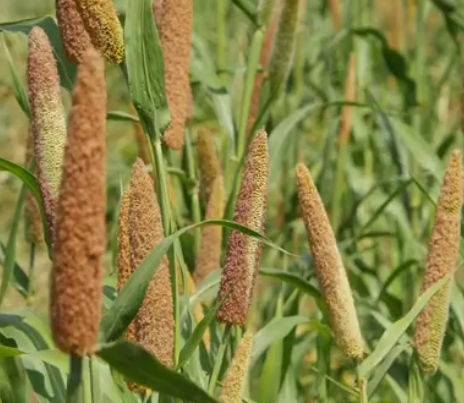
Botanical classification
Botanical name: Panicum miliaceum L.
Common name: millet (common millet, proso millet)
Botanical family: Poaceae (Gramineae)
Order: Poales
Class: Liliopsida (monocotyledons)
Kingdom: Plantae
Millet (Panicum miliaceum L.) is an annual herbaceous plant, a minor cereal grown for its small grains used in human nutrition, animal feed, and, to some extent, as an ingredient for processed products. It is characterized by a relatively short growth cycle, good drought tolerance, and adaptability to different soil and climate conditions.
Cultivation and growth conditions
Climate
Millet requires a warm-temperate or subcontinental climate, with hot and relatively dry summers. It is more tolerant to drought than many other cereals, thanks to its fairly developed root system and short cycle. It does not tolerate frost: low temperatures at emergence and tillering reduce plant stand and compromise development. It is suitable for areas with moderate rainfall, well distributed during the early growth stages, followed by drier conditions during grain ripening.
Exposure
Millet requires full-sun exposure to ensure adequate photosynthesis, proper tillering, and good grain filling. Prolonged shading reduces plant height, number of productive culms, and grain yield. Fields should be as free as possible from shading by trees or infrastructure and protected from cold-air stagnation.
Soil
Millet adapts to a wide range of soils, including relatively poor ones, provided they are well drained. It prefers loam to loam-sandy soils with good porosity and a moderate organic matter content. It is sensitive to waterlogging, which can promote lodging and diseases of the root system. The optimal pH is approximately 6.0–7.5, but the crop can tolerate slightly more acidic or slightly alkaline values if soil structure is suitable.
Irrigation
In regions with sufficient and well-distributed rainfall, millet can be grown under rainfed conditions. In drier climates, supplemental irrigation is useful at emergence, tillering, and early stem elongation to ensure adequate plant density and uniform development. Near maturity, water applications should be limited to reduce the risk of lodging and to facilitate grain drying. Excess water and stagnant conditions must be avoided in all stages.
Temperature
The optimal temperature range for growth is approximately 18–30 °C. Germination requires soil temperatures above about 10–12 °C, while higher values favor faster and more uniform emergence. Millet is sensitive to low temperatures in all stages; late spring or early autumn frosts can damage young seedlings or reproductive organs, leading to yield reduction.
Fertilization
Fertilization should be planned according to soil fertility and production targets.
Nitrogen (N): This is the most important element for yield; excessive rates increase lodging risk and may lengthen the growth cycle. It is preferable to split applications (a portion at sowing, a portion in topdressing at tillering/stem elongation).
Phosphorus (P): Important for root development and good flowering; usually applied during seedbed preparation.
Potassium (K): Contributes to drought-stress tolerance and culm strength.
Possible micronutrient deficiencies (e.g. zinc) should be managed based on soil analysis and leaf symptoms. The use of organic amendments improves soil structure and water-holding capacity over time.
Crop care
Soil preparation: Light to medium tillage depending on soil type, aimed at obtaining a sufficiently fine seedbed to promote uniform germination.
Weed control: Millet has limited competitive ability in the early stages; mechanical or chemical weed control (where permitted) and good seedbed preparation are important.
Rotations: It fits well in rotation with other cereals, legumes, or root crops, helping to diversify cropping sequences and reduce pressure from pests specific to other species.
Plant protection: Generally less exposed to pathogens than other cereals, but foliar fungal diseases and insect attacks may occur; management is based on monitoring and good agronomic practices.
Harvest
Harvest takes place when panicles have reached full physiological maturity and grain moisture is suitable for combine harvesting and subsequent storage (normally around 12–14 % after any drying). The harvest date must consider the tendency for non-uniform maturity among panicles and the risk of grain loss if harvest is delayed. Careful adjustment of the combine is recommended to reduce losses and limit grain breakage.
Propagation
Millet is propagated by seed.
Seed: Certified or carefully selected seed is used, free from weed seeds and with high germination capacity.
Sowing: Performed in spring when soil temperature is adequate. Sowing is usually in rows (row spacing depending on machinery and weed-management system) at shallow depth (generally 2–4 cm, depending on soil texture).
Seeding rate is defined according to soil and climate conditions and the available mechanization, with the aim of achieving a balanced plant population that allows good tillering and high grain yield.
Indicative nutritional values per 100 g (hulled raw millet)
Energy: ~350–370 kcal
Protein: ~10–12 g
Total carbohydrates: ~70–72 g
predominantly starch
simple sugars < 1 g
Dietary fibre: ~3–4 g
Total fat: ~3.5–4 g
SFA (saturated fatty acids): smaller fraction than mono-unsaturated
MUFA (monounsaturated fatty acids)
PUFA (polyunsaturated fatty acids)
Minerals: iron, magnesium, phosphorus, potassium
Vitamins: mainly B-group vitamins (B1, B2, B3), small amounts of vitamin E
Sodium: naturally very low
Values vary with cultivar, degree of dehulling, origin and processing.
Key constituents
Complex carbohydrates
starch as the main component
fibre predominantly in the outer layers (reduced in heavily hulled products)
Proteins
presence of sulphur-containing amino acids (e.g. methionine) in relatively higher proportion compared to some other cereals
moderate biological value, typical of cereal proteins
Lipids
low overall amount but nutritionally interesting
mixture of SFA, MUFA and PUFA
unsaponifiable fraction including tocopherols (vitamin E) and phytosterols
Micronutrients
minerals: magnesium, phosphorus, potassium, iron
B-group vitamins
Phenolic compounds
modest levels of natural antioxidants, influenced by cultivar and agro-climatic conditions
Production process
Cultivation and harvesting
spring sowing, short growing cycle
harvesting at grain maturity by cutting and threshing
Cleaning and hulling
removal of the tough outer hull, which otherwise reduces digestibility and sensory quality
optional polishing and optical sorting of kernels
Optional roasting or pre-cooking
moderate thermal treatments to improve shelf-life, flavour and technological performance
Flour and semolina production
controlled milling of cleaned, hulled kernels
use in bakery products, extruded items, gluten-free mixes and other preparations
Physical properties
small, spherical kernels
predominant yellow-colour, with varietal colour differences
medium–low bulk density
capacity to swell and soften during cooking through water absorption
mainly starchy structure with thin outer layers in hulled products
Sensory and technological properties
Flavour: mild, slightly sweet, neutral enough to pair well with added flavours
Aroma: subtle, slightly toasted after cooking
Texture: when cooked, soft and slightly grainy, generally non-sticky if cooked with proper water ratio
Technological functionality
high versatility in sweet and savoury dishes
generally good digestibility
partial gelling and thickening behaviour of starch
suitable for gluten-free doughs, especially when blended with other flours (breads, pasta, biscuits)
Food applications
Household use
side dishes, soups, stews
one-pot meals with vegetables and legumes
cold grain salads
bakes, porridges, creamy dishes
Food industry
flours for gluten-free bakery products and pasta
puffed and extruded cereals
semolina for instant preparations
Nutritional alternatives
valid substitute for wheat, rice and other cereals for dietary variety and gluten-free formulations
Nutrition & health
source of complex carbohydrates with a moderate glycaemic impact when eaten within a balanced meal
naturally gluten-free (suitable for people with coeliac disease, if processed without cross-contamination)
good levels of minerals (magnesium, phosphorus, potassium, iron)
source of B-group vitamins
lipid fraction with MUFA and PUFA alongside saturated fats
dietary fibre supports bowel function (amount depending on degree of hulling)
generally good digestibility, particularly when well cooked
Portion note
In a balanced meal, a typical serving of cooked millet is around 70–80 g cooked (≈ 40–50 g raw), adjusted according to individual energy needs and the composition of the rest of the meal.
Allergens and intolerances
naturally gluten-free
not listed among major EU allergens
rare specific allergies or intolerances cannot be excluded but are considered uncommon
attention to possible cross-contamination with gluten-containing cereals in mixed industrial facilities
Storage and shelf-life
Raw hulled grains
store in a cool, dry place, protected from light
preferably in airtight containers
main risk: slow lipid oxidation and flavour loss over long storage
Millet flours
more susceptible to oxidation due to higher surface area
recommended storage in opaque, sealed containers; refrigeration can be beneficial
shorter recommended shelf-life than whole grains
Cooked millet
perishable; should be consumed within a short time
store in the refrigerator and reheat gently to avoid excessive drying
Safety and regulatory
millet is regulated as a cereal intended for human consumption
subject to general food-safety and hygiene requirements, including HACCP-based systems
must comply with legal limits for contaminants (e.g. mycotoxins, heavy metals) and pesticide residues
prepacked products must meet EU labelling requirements, including for gluten-free claims when applicable
Labelling
For a millet-based product, the label should indicate:
product name (e.g. “hulled millet”)
list of ingredients (if other components are present)
nutritional declaration per 100 g (and per serving where required)
origin, when mandatory or claimed
any “gluten-free” statement only if regulatory thresholds are met
storage conditions, lot code, best-before or use-by date
clear highlighting of any allergens deriving from other ingredients in the formulation
Troubleshooting
Poor texture or overly soft product after cooking
possible causes: too much water, excessive cooking time
corrective action: reduce water-to-grain ratio, use absorption cooking and allow resting off the heat
Very bland taste
intrinsic mild flavour of millet
corrective action: cook in stock or flavoured liquids, add herbs, spices, sauces or aromatic fats
Uneven cooking (hard centres)
old grain, inconsistent grain size or insufficient soaking/cooking time
corrective action: check grain quality, adjust cooking time, consider brief pre-soaking
Flour oxidation
exposure to heat, light and oxygen
corrective action: improve packaging, store in cool, dark conditions, use freshly milled flour when possible
Main INCI functions (cosmetics)
Millet-derived ingredients used in cosmetics may appear with INCI names such as:
Panicum Miliaceum Seed Extract
conditioning effect
potential antioxidant contribution
used in skin and hair products as a functional plant-derived component
Panicum Miliaceum Seed Oil / Extract Fractions
presence of lipids and unsaponifiable matter
potential emollient role in emulsions and leave-on products
Use in cosmetics requires standard checks on purity, safety, stability and regulatory compliance.
Conclusion
Millet (Panicum miliaceum L.) is an ancient cereal, nutritionally valuable and naturally gluten-free, with a profile rich in complex carbohydrates, moderate protein content, useful minerals and a modest but interesting lipid fraction. It is versatile in cooking, generally easy to digest and suitable for a wide range of preparations, including those designed for gluten-free diets.
Good shelf-life of whole grains, mild flavour and the presence of functional fractions make millet suitable both as a food ingredient and as a technical component in specialised formulations. Appropriate processing, storage and process control ensure sensory quality, safety and nutritional value.
Mini-glossary
SFA
Saturated fatty acids; excessive intake, if replacing other fats, may be less favourable for blood lipid balance.MUFA
Monounsaturated fatty acids; when they replace part of the SFA, they are associated with a more favourable cardiovascular profile.PUFA
Polyunsaturated fatty acids; include omega-6 and omega-3 families, important for numerous physiological functions.HACCP
Hazard Analysis and Critical Control Points; a mandatory food-safety management system in food production chains.
Studies
Millet (Panicum miliaceum L.) is an annual crop, is a tetraploid cereal with an exceptionally low water requirement and occurs in small grains. It has a very ancient history dating back to Neolithic China (1). There are about 20 different species cultivated all over the world, including :Pennisetum glaucum LR Br, Eleusine coracana, Paspalum setaceum, Setaria italica L., Panicum sumatrense, mEchinochloa utilis
It is the sixth most important cereal in the world (2)
Millet is an important source of energy and protein and has a high nutritional value, comparable to the main cereals such as wheat, rice, corn. It has a high content of calcium, iron, potassium, magnesium, phosphorus, zinc, dietary fiber, polyphenols (antioxidants) and proteins (3).
It is gluten-free and therefore ideal for those who are gluten intolerant and easy to digest.
It contains a large amount of lecithin, which provides excellent support for the health of the nervous system by helping to restore nerve cell function, regenerate myelin fiber and intensify brain cell metabolism.
Millet is also rich in micronutrients such as niacin or vitamin B3, the vitamins of the B complex, vitamin B6 and folic acid (4).
It generally contains significant amounts of essential amino acids, particularly those containing sulfur, is a good source of essential amino acids, except for lysine and threonine, but has a relatively high content of methionine. It also has a higher fat content than maize, rice and sorghum (5).

