



Sant’Andrea rice (Oryza sativa L., Italian variety “Sant’Andrea”, Long A type)
Description
Sant’Andrea rice is a traditional Italian cultivar of Oryza sativa L., classified in the Long A commercial group. It is historically linked to the rice-growing areas of Northern Italy (especially Piedmont and Lombardy), where paddy cultivation under flooded conditions has been practiced for centuries on silty, nutrient-rich soils.
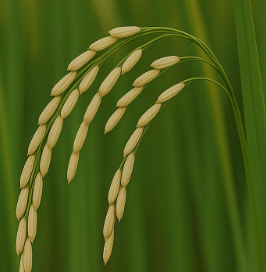
The grain of Sant’Andrea is long, semi-tapered and relatively broad, with a morphology typical of Long A rices. The endosperm is partly pearled / slightly opaque, not fully crystalline: this internal structure is associated with a moderate capacity to release starch during cooking. As a result, Sant’Andrea tends to provide a good compromise between grain integrity and surface creaminess, positioning itself between very dry long-grain rices and highly creamy risotto varieties.
Agronomically, Sant’Andrea is considered a historic Italian variety, with a medium cycle, good adaptation to the Po Valley environment and satisfactory industrial yield. It is not an aromatic rice and does not belong to the most “extreme” risotto rices for starch release, but in many traditional contexts it is appreciated precisely for its versatility, being suitable both for home-style risottos and for soups, baked dishes and recipes where rice is required to bind the ingredients.
Because of its balance between cooking stability and ability to absorb and bind condiments, Sant’Andrea is sometimes chosen as an alternative to more renowned risotto rices, especially in regional cuisines that value its specific texture.
 |  |
Botanical classification
Common name: Sant’Andrea rice (Long A)
Clade: Angiosperms
Order: Poales
Family: Poaceae
Genus: Oryza
Species: Oryza sativa L.
Cultivation and growth conditions
Climate
Sant’Andrea rice is an Italian Long A cultivar adapted to warm–temperate rice–growing areas, with hot summers and abundant water availability during the vegetative cycle. It requires a growing season free from frost, with high temperatures during tillering, stem elongation and flowering. The variety is sensitive to low temperatures, especially at germination and anthesis, which can hinder grain set and reduce yield.
Exposure
Like other flooded rice types, Sant’Andrea needs full sun to maximise photosynthetic activity and ensure good panicle production. Under shaded conditions, growth slows, vegetative development is less vigorous and yield decreases.
Soil
The crop is grown on flat soils suitable for flooding, preferably clay or clay–loam soils rich in organic matter and with good water-holding capacity. Very sandy, highly permeable soils are not suitable, as they do not allow a stable water layer to be maintained. Optimal pH ranges from slightly acidic to neutral or mildly alkaline.
Irrigation
Sant’Andrea rice is generally cultivated under flooded conditions, maintaining a water layer over the soil for most of the crop cycle. Careful management of water levels in the different phases (pre-emergence, tillering, stem elongation, ripening) is essential to control weeds, reduce water stress and promote uniform growth. Dry periods or sudden drops in water level negatively affect yield and quality.
Temperature
Optimal temperatures for germination are above 12–13 °C, while for vegetative growth and flowering ideal values lie between 20 and 30 °C. Too low temperatures during anthesis compromise fertilization, whereas prolonged heat combined with dry winds and strong radiation can cause grain scorching and quality loss.
Fertilization
Sant’Andrea rice requires balanced fertilization with nitrogen (N), phosphorus (P) and potassium (K):
Nitrogen, split between pre-flooding and topdressings, supports proper tillering without excessively increasing the risk of lodging;
Phosphorus supports early root system development;
Potassium contributes to lodging resistance and grain quality.
Excess nitrogen favours fungal diseases (such as blast), increases lodging risk and reduces yield stability.
Crop care
Main agronomic practices include:
weed management through crop rotation, possible false sowing, mechanical methods and/or selective chemical treatments;
accurate land levelling to ensure uniform flooding;
regulation of water levels in the various stages to limit aquatic weeds and reduce stress;
monitoring of diseases (e.g. blast) and pests, applying integrated pest management strategies;
adjustment of sowing density to limit internal competition and reduce lodging risk.
Good air circulation within the canopy helps maintain crop health and supports panicle development.
Harvesting
Harvest takes place when grain ripening is uniform and grain moisture is suitable for combine harvesting. Excessive delay may lead to lodging, shattering and quality loss. After harvest, grain is dried to a moisture content suitable for safe storage and subsequent processing.
Propagation
The Sant’Andrea cultivar is propagated using certified seed, selected to ensure genetic purity, grain uniformity and stable technological characteristics. On farm, paddy sowing (broadcast or in rows, on dry soil or under water) is carried out by adjusting the seed rate according to target plant density, soil fertility and the agronomic technique adopted.
Indicative nutritional values per 100 g
(white Sant’Andrea rice, raw – average for Italian Long A rices)
Energy: ~ 330–360 kcal
Water: ~ 10–13 g
Total carbohydrates: ~ 75–78 g
starch as the dominant component
Dietary fibre: ~ 0.5–2 g
Protein: ~ 6–8 g
Total fat: ~ 0.4–1.0 g
first occurrence SFA (Saturated Fatty Acids): small fraction of the lipid content; excessive intake of SFA in the overall diet is associated with increased LDL cholesterol
MUFA (MonoUnsaturated Fatty Acids): minor share
PUFA (PolyUnsaturated Fatty Acids): minor share, generally prevailing in the unsaturated fraction
Micronutrients: small amounts of B-group vitamins (e.g. thiamine, niacin) and minerals such as phosphorus, magnesium, iron and zinc
The nutritional profile is broadly comparable to that of other Italian Long A white rices.
Key constituents
Complex carbohydrates (starch: amylose + amylopectin)
Rice proteins in moderate amounts
Very low total lipids, composed of SFA, MUFA and PUFA in small absolute quantities
Dietary fibre in low amounts in the fully milled product (higher in semi-milled or wholegrain forms)
Micronutrients (B vitamins, minerals) in modest quantities
Minor bioactive components mainly located in the outer layers (partly removed by milling)
Production process
Cultivation
sowing of Sant’Andrea in paddy fields with controlled flooding
management of water, fertilisation, weed and pest control
crop development through the vegetative and reproductive phases to full grain maturity
Harvesting
mechanical harvest of paddy rice (rough rice) at the appropriate moisture and maturity stage
Drying
controlled drying of paddy to safe moisture levels for storage
Cleaning
removal of straw, soil, stones and foreign materials
Dehusking
removal of husk to obtain brown Sant’Andrea rice
Milling and polishing
partial or total removal of bran layers and light polishing to obtain white Sant’Andrea Long A rice
Sorting and packaging
separation of broken grains and defects
packaging in suitable containers for retail or catering use
Physical properties
Grain type: Long A, fairly long and semi-tapered
Endosperm: slightly pearled / partially opaque, intermediate between fully crystalline and strongly pearled rices
Colour: white to ivory in the milled product
Raw grain: compact and mechanically resistant
Sensory and technological properties
Flavour: neutral, mild cereal taste
Aroma: light, non-aromatic (no specific perfumed notes)
Texture and behaviour in cooking
good cooking stability with an acceptable level of firmness
moderate starch release, giving slight surface creaminess
grain remains fairly well defined, with a texture intermediate between very dry long-grain rice and more sticky/creamy risotto rices
Technological aspects
suitable for absorption and boiling methods
can be used in dishes where rice is expected to bind sauces or fillings (soups, baked dishes, rice cakes)
offers a good compromise between cooking tolerance and binding capacity
Food uses
home-style risottos and everyday rice dishes
soups and broths with rice
warm rice salads or mixed cereal dishes
side dishes served with meat, fish or vegetable mains
baked dishes, timbales, rice cakes and fillings where rice is expected to help binding
Less suitable for:
highly technical, very creamy “signature” risottos where specific risotto varieties with particular starch profiles are preferred
very dry, highly separated long-grain dishes (for which Long B types are usually chosen)
Nutrition and health
Sant’Andrea rice provides primarily complex carbohydrates, with moderate protein and very low fat content. It is naturally gluten-free, so it is suitable for coeliac or gluten-sensitive individuals, provided that production and packaging avoid gluten cross-contamination.
As a refined white rice, its glycaemic index is generally in the medium to medium-high range, similar to other white rices. The actual glycaemic impact depends on:
portion size
degree of cooking (firmer vs softer)
overall composition of the meal (presence of fibre, proteins and fats that slow gastric emptying and carbohydrate absorption)
Within a balanced diet, Sant’Andrea can be included as a carbohydrate source, particularly when combined with vegetables, pulses and high-quality fats to improve overall nutrient density and satiety.
Portion note
Indicative dry Sant’Andrea portions:
as main carbohydrate component or first course: 70–80 g per person
as side dish: 50–60 g per person
These values should be adjusted according to energy requirements, body size, activity level and presence of other carbohydrate sources in the meal.
Allergens and intolerances
Sant’Andrea rice is naturally gluten-free
suitable for gluten-free diets provided there is no cross-contact with gluten-containing cereals in the supply chain
rice allergy is rare; most people tolerate rice well
digestibility is generally good; any digestive discomfort usually relates more to the meal as a whole than to the rice variety itself
Storage and shelf-life
store in a cool, dry place, away from direct light and strong-smelling products
after opening, it is preferable to keep the rice in airtight containers
typical shelf-life of packaged white rice: up to about 24 months, depending on packaging and storage conditions
cooked rice should be cooled quickly, refrigerated and consumed preferably within 24 hours, respecting good hygiene practices
Safety and regulatory
subject to general cereal and rice legislation regarding contaminants, pesticide residues, heavy metals, mycotoxins and microbiological criteria
must comply with rules on traceability, hygiene and labelling
any nutrition or health claims (for example “gluten-free”) require compliance with specific legal conditions and adequate control of the production chain
Labelling
On retail packs, Sant’Andrea rice labelling typically includes:
product name (e.g. “Sant’Andrea rice”)
commercial type: Long A
indication of variety “Sant’Andrea” where applicable (e.g. “Classico”)
country of origin/production
net quantity
best-before date and batch
storage instructions
nutrition declaration per 100 g (and sometimes per portion)
cooking instructions and suggested uses
Troubleshooting
In cooking
Grains too soft / poorly defined
possible causes: too much water, cooking time too long, very vigorous boiling
corrective actions: reduce water ratio, cook at gentle simmer, check doneness earlier
Insufficient creaminess in risotto-style preparations
Sant’Andrea has moderate starch release; for very creamy risottos, adjust techniques (toasting, gradual stock addition, mantecatura with fats and cheese) and/or combine with varieties richer in surface starch
Rice too dry or firm
possible causes: too little water or insufficient cooking time
corrective actions: extend cooking slightly with a small addition of hot liquid; adjust the water/rice ratio for future preparations
In storage
Loss of aroma and freshness
can occur with prolonged storage or exposure to air, light and heat
store in sealed containers and respect best-before dates
Insect presence
linked to inadequate storage conditions
use airtight containers, keep in cool, dry places and rotate stock regularly
Main INCI functions (cosmetics)
Cosmetic ingredients derived from rice are labelled at species level as Oryza sativa; the Sant’Andrea variety is not distinguished on INCI lists. Common rice-derived cosmetic ingredients include:
Oryza Sativa (Rice) Starch – used as absorbent, opacifying and texturising agent
Oryza Sativa (Rice) Bran Oil – skin conditioning and emollient oil, used in creams, lotions and hair-care products
Oryza Sativa (Rice) Extract – used as a skin conditioning ingredient and for minor antioxidant support
Sant’Andrea can be one of the agricultural sources of these ingredients, but it is not specified as such on cosmetic labels.
Conclusion
Sant’Andrea rice is a historic Italian Long A variety that offers a balanced combination of grain integrity and moderate creaminess. Its long, semi-tapered grain and partly pearled endosperm give it a behaviour in cooking that is intermediate between dry long-grain rices and highly creamy risotto rices, making it especially suitable for soups, home-style risottos, baked dishes and recipes where rice must bind ingredients.
Nutritionally, it is comparable to other refined white rices: rich in complex carbohydrates, with moderate protein, very low fat and naturally gluten-free. When used in appropriate portions and combined with vegetables, pulses and quality fats, Sant’Andrea can contribute effectively to varied and balanced eating patterns, both in home cooking and in professional contexts.
Mini-glossary
Long A rice – commercial category of rice with long grains that are broader and less slender than Long B types; typical of many Italian risotto and table rices.
Pearled endosperm – partially opaque inner structure of the grain, associated with specific starch distribution and cooking behaviour (starch release and creaminess).
Complex carbohydrates (starch) – chains of glucose molecules; main energy source in rice and cereals.
Gluten-free – absence of gluten, the protein complex typical of wheat, barley and rye; all rice, including Sant’Andrea, is naturally gluten-free.
SFA – Saturated Fatty Acids; dietary fats that, when consumed in excess, are associated with increased LDL cholesterol.
MUFA – MonoUnsaturated Fatty Acids; unsaturated fats that may help improve blood lipid profile when they replace part of SFA.
PUFA – PolyUnsaturated Fatty Acids; include n-6 and n-3 fatty acids, important for many physiological functions when consumed in appropriate amounts and balance.
Studies
In general, rice contains more than 100 bioactive substances mainly in its bran layer including phytic acid, isovitexin, gamma-oryzanol, phytosterols, octacosanol, squalene, gamma-aminobutyric acid, tocopherol and derived from tocotrienol (1), antioxidants.
It does not contain beta carotene (provitamin A) and has a very low iron and zinc content (2).
In rice bran there are bioactive phytochemicals that exert protective actions against cancer that involve the metabolism of the host and the intestinal microbiome. A diet based on rice bran has shown positive effects in reducing the risk of colon cancer (3).
Allergies: Be careful, rice contains a certain amount of lactose.
The most common types of rice used are :
- Arborio : large grains, the most common in Italy
- Ribe : elongated grains.
- Thaibonnet : medium, elongated and fine grains
- Rome : large grains
- Basmati : thin and elongated grains. Grown in Pakistan and India
- Carnaroli : large grains
- Vialone nano : large, round grains
- Original or Balilla : small round grains
- Jasmine : fine grains of Asian origin
- Red : red, small and narrow grains
- Wild : Zizania palustris
- Baldo : large, shiny grains
- Ganges : from India
- Footboard : releases a lot of starch
- Venus : from China and the Po Valley
- Patna : from Thailand. Long and narrow grains
- Sant'Andrea : Thick and long grains. Releases a lot of starch
Rice viruses and pests: Pseudomonas aeruginosa, Rice yellow mottle virus, Magnaporthe oryzae , Rice Tungro Bacilliform Virus , Lissorhoptrus oryzophilus Kuschel, Oebalus pugnax, Xanthomonas oryzae

